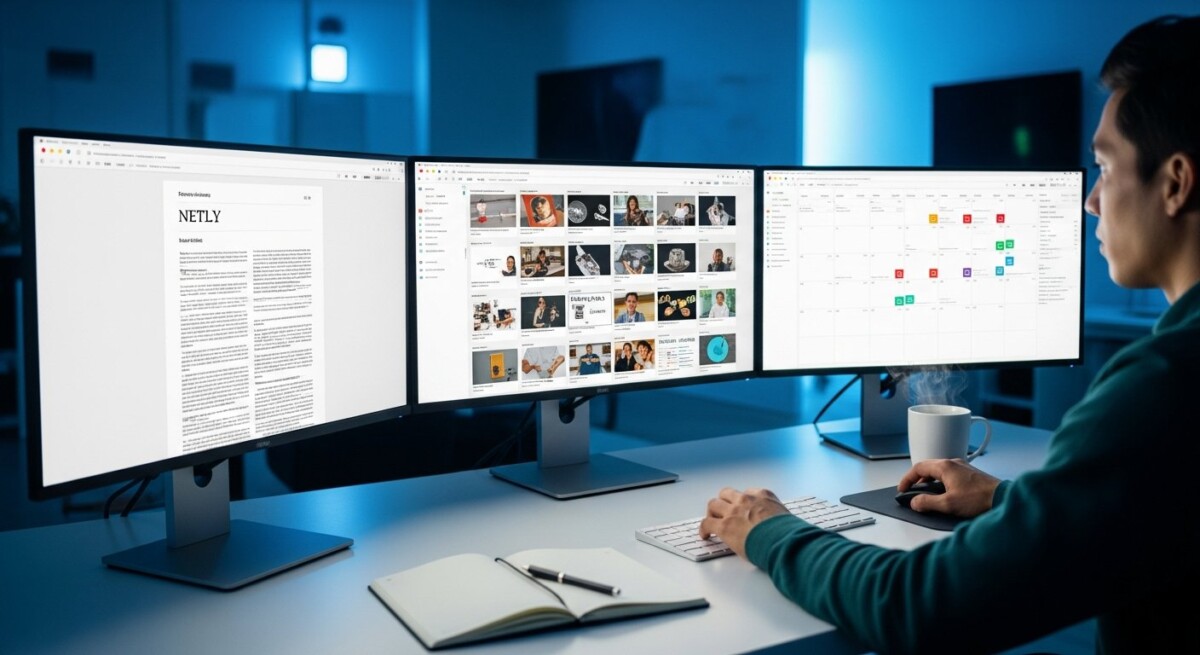
Managing content across multiple WordPress sites has always been a challenge for agencies and site owners. The manual effort of writing, editing, and scheduling articles for each site quickly becomes unsustainable. DeepSeek AI content generation for WordPress multisite provides a powerful solution to this problem, allowing you to produce high-quality, SEO-optimized articles at scale without sacrificing relevance or consistency. By integrating DeepSeek’s advanced language models into your WordPress workflow, you can automate the entire content lifecycle from ideation to publication.
Why DeepSeek AI for Multisite Content Operations
DeepSeek offers a compelling alternative to other AI models like OpenAI and Gemini, particularly for users who prioritize cost efficiency and data privacy. Its open-source nature and competitive pricing make it an attractive choice for agencies that need to generate large volumes of content without incurring high API costs. When combined with a platform like OrganicStack, DeepSeek becomes a core engine for your content production pipeline.
For multisite operators, the key advantage is consistency. You can configure DeepSeek once and apply the same content generation rules across all your sites. This ensures that each article adheres to your brand guidelines, keyword targets, and structural preferences. The AI can be trained to understand the unique voice of each site, making it possible to maintain distinct editorial identities even while using a centralized generation system.
Setting Up DeepSeek for Your WordPress Network
To begin using DeepSeek AI content generation for WordPress multisite, you need to connect the AI model to your content management system. The most efficient method is to use a dedicated platform like OrganicStack, which provides a unified dashboard for managing multiple sites and AI providers. Here are the essential steps to get started:
- Create an account on a platform that supports DeepSeek integration, such as OrganicStack, and connect your WordPress sites using the required publisher plugin.
- Obtain your DeepSeek API key from the DeepSeek platform and enter it into the AI provider settings within your dashboard.
- Define your content parameters, including target keywords, article length, tone, and structural elements like headings and bullet points.
- Set up a content calendar and scheduling rules to automate the publishing process across your network.
Once these steps are complete, you can begin generating articles with a single click. The system will pull in your keyword data, generate unique content using DeepSeek, and push it directly to your WordPress sites according to your schedule. This eliminates the need to manually copy and paste content or log into each site individually.
Scaling Content Production Without Sacrificing Quality
The primary concern for many site owners is whether AI-generated content can match the quality of human writing. DeepSeek has proven to be highly capable in this regard, particularly when it comes to producing well-structured, informative articles. However, the key to maintaining high quality lies in how you configure the generation process. In our guide on scale content repurposing with AI for WordPress multisite, we explain how to use existing content as a foundation for new articles, ensuring freshness and depth.
DeepSeek allows you to set specific instructions for each article, including the desired reading level, the inclusion of statistics or examples, and the avoidance of certain topics. By providing clear guidance, you can train the model to produce content that meets your standards. Additionally, you can use the platform’s built-in SEO tools to optimize each article for search engines before it goes live.
Another important factor is the use of templates. Create templates for different types of content, such as product reviews, how-to guides, and listicles. Each template can include predefined sections, keyword placements, and internal linking structures. DeepSeek will then fill in the unique content based on your keyword inputs, resulting in consistent and optimized articles across all your sites.
Managing Content Quality Across Multiple Sites
When you are generating content for dozens or hundreds of sites, quality control becomes a critical issue. DeepSeek AI content generation for WordPress multisite can help you maintain a baseline of quality, but you still need a system for review and refinement. Here are three strategies to ensure your content remains valuable to readers:
- Set strict content guidelines: Define what constitutes acceptable content for each site, including minimum word counts, required sections, and prohibited phrases. Configure these rules in your generation platform to automatically filter out low-quality outputs.
- Use human review for high-priority sites: For your most important sites, schedule a manual review of AI-generated articles before publication. This allows you to catch any factual errors or tone issues that the AI might miss.
- Monitor performance metrics: Track key indicators like time on page, bounce rate, and keyword rankings for each site. Use this data to refine your generation parameters and improve future content.
By combining AI generation with human oversight, you can achieve a balance between scale and quality. Over time, the AI will learn from your feedback and produce better content with fewer revisions needed.
Integrating DeepSeek with Your SEO Strategy
Content generation is only half the battle. To see real results from your multisite network, you need to integrate DeepSeek with a solid SEO strategy. The platform you use should offer keyword intelligence features that help you identify high-value topics and optimize your articles for search. When you generate content with DeepSeek, you can automatically include target keywords in titles, headings, and body text.
Internal linking is another crucial element. Your content generation system should be able to create smart interlinks between related articles on the same site, as well as across your network. This improves user navigation and helps search engines understand the structure of your content. OrganicStack’s automated interlinking feature is designed to do exactly this, saving you hours of manual linking work.
Finally, ensure that your articles are indexed quickly after publication. Use tools like IndexNow to notify search engines of new content immediately. This gives your articles a head start in the ranking process and can lead to faster traffic growth. For a deeper look at this process, read our article on automated article generation for WordPress at scale, which covers the full workflow from keyword research to indexing.
Cost Efficiency and Resource Allocation
One of the biggest advantages of using DeepSeek for multisite content generation is the cost savings. DeepSeek’s API pricing is significantly lower than many competitors, making it ideal for high-volume production. When you factor in the reduced need for human writers and editors, the total cost per article drops dramatically. This allows you to allocate more of your budget to other areas like link building or advanced analytics.
Platforms like OrganicStack offer flexible pricing plans that accommodate both high-volume users and those just starting out. With all-inclusive plans, you get bundled AI credits that cover your DeepSeek usage, eliminating the need to manage separate API accounts. Alternatively, you can use a Bring-Your-Own-Keys plan if you prefer to control your own DeepSeek API access and potentially reduce costs further.
Resource allocation also improves because you can automate repetitive tasks. Instead of spending hours on content planning, writing, and scheduling, you can focus on strategic activities like audience development, partnership building, and refining your content strategy. The time saved can be reinvested into growing your network and improving the quality of your existing sites.
Overcoming Common Challenges in Multisite Content Automation
While DeepSeek AI content generation for WordPress multisite offers numerous benefits, it also comes with challenges that you need to address. One common issue is content duplication. When generating articles for multiple sites on similar topics, the AI might produce outputs that are too similar. To avoid this, ensure that each site has a unique angle or target audience. Use different keyword sets and content templates for each site to promote diversity.
Another challenge is maintaining the voice and tone of each site. DeepSeek can be fine-tuned to match specific styles, but this requires careful configuration. Provide the AI with examples of preferred writing styles and include detailed instructions in your generation prompts. Over time, the model will learn to adapt to the nuances of each site.
Technical issues can also arise, such as API errors or plugin conflicts. Choose a reliable platform with strong support to minimize downtime. Regular testing of your content pipeline will help you catch and resolve problems before they affect your publishing schedule.
The Future of Multisite Content with AI
As AI technology continues to evolve, the capabilities of models like DeepSeek will only improve. We can expect better understanding of context, more natural language generation, and deeper integration with SEO tools. For multisite operators, this means even greater efficiency and higher quality outputs. The key is to start building your AI-powered workflow now so that you are positioned to take advantage of future advancements.
By adopting DeepSeek AI content generation for WordPress multisite today, you are not just solving an immediate problem. You are building a scalable system that can grow with your business. Whether you manage five sites or five hundred, the principles of automation, consistency, and optimization remain the same. With the right tools and strategy, you can transform your content operations and achieve sustainable traffic growth across your entire network.
DeepSeek provides a robust and cost-effective foundation for this transformation. When paired with a comprehensive platform like OrganicStack, you gain the ability to manage, generate, and publish content at a scale that was previously impossible for most organizations. The result is a streamlined workflow that frees you to focus on what matters most: growing your audience and your business.