
Tag: attract inbound search engine leads

  • Search Engine Se Leads Kaise Aakarshit Kare: Ek Vyavsayik Nirdesh

    Search Engine Se Leads Kaise Aakarshit Kare: Ek Vyavsayik Nirdesh

    Har digital vyavsayik ka antim lakshya hota hai: aise grahak prapt karna jo aapko dhoondh kar aaye, aapki madad chahe, aur aapke saath vyapar karne ke liye utsuk ho. Ye aapki website par nishulk, sustainable, aur scalable trafik ka sarvottam srot hai. Parantu, is sthir aur bharosemand pratikriya dhaara ko banane ke liye aapko search engine ke niyam samajhne honge aur un grahakon ki soch ko samajhna hoga jo aapki sevaon ki talash mein hain. Yah nirdesh aapko wohi karyakram dega.

    Search Engine Pratikriya Dhaara Kya Hai, Aur Kyon Mahatvapurna Hai

    Search engine pratikriya dhaara (inbound search engine leads) ka arth hai aise sambhavit grahak jo aapke business tak pahunchte hain search engine jaise ki Google, Bing, ya YouTube par kisi prakar ki khoj karne ke bad. Ve kisi samasya ka samadhan, kisi prashn ka uttar, kisi jankari ki talash, ya kisi upakar ki khoj mein hote hain. Jab aapka content unki talash ke anukool hota hai aur search engine results pages (SERPs) par dikhai deta hai, to ve aapki website par aate hain. Yadi aapki site unki aavashyakta ko purti karti hai aur vishvas janmaati hai, to ve aapke saath sampark mein aane ka rasta dhoondh sakte hain. Ye prakriya aapke business ko ek aisi pratikriya dhaara pradan karti hai jo barabar chalti rahti hai, bina aapki or se pratyek din naye advertisement chalane ki aavashyakta ke. Iska mool tatva vishwas aur upyogita hai.

    Pahla Kadam: Shabd Sanshleshan (Keyword Research) Ki Gehraai

    Prakritik roop se leads aakarshit karne ki yatra shabd sanshleshan se shuru hoti hai. Aapko yeh samajhna hoga ki aapke aadarsh grahak kya shabd type kar rahe hain. Iske liye bas ek ya do mukhya shabdon par vichar karna kaafi nahi hai. Aapko unki soch, unke prashnon, aur unke karyon ki samajh banana hogi. Iska arth hai ki aapko mukhya shabdon (head terms) ke saath-saath vistrit shabd samuhon (long-tail keywords) ki bhi khoj karni hogi. Ye vistrit shabd samuh kam competition ke hote hain aur adhik vishesh search intent ko darshate hain, jisse unse aane wale grahak adhik qualified hote hain.

    Apna shabd sanshleshan karyakram banane ke liye in char baton par dhyan dijiye:

    1. Search Intent Samjhein: Har shabd samuh ke peeche ka uddeshya kya hai? Kya vyakti kuch khareedna chahta hai (transactional), kisi jankari ki talash kar raha hai (informational), ya kisi vishesh website par jana chahta hai (navigational)? Aapka content is intent se milna chahiye.
    2. Samagri Ki Khoj Karein: Aise prashn dhoondhein jo log aapke vishay kshetra mein puch rahe hain. “Kaise,” “Kya,” “Kyon,” aur “kya hai” jaise shabd aapko adhik vistrit vishay dila sakte hain.
    3. Competition Ka Aakalan Karein: Dekhein ki aapke pratispardhi kis prakar ke content ko top results mein la rahe hain. Kya ve lambi blog posts hain, videos hain, ya product pages hain? Isse aapko content ke prakar aur lambai ka idea milega.
    4. Sambhavna Ka Aakalan Karein: Aise vishay dhoondhein jahan par competition kamjor ho par search volume uchch ho. Ye aapko tezi se rank karne ka avsar de sakta hai.

    Shabd sanshleshan ek bar ka kary nahi hai. Ye ek nirantar prakriya hai jo aapko apne audience ki badalti hui aavashyaktaon se jod kar rakhti hai.

    Content Ka Nirman: Upyogita, Vishwas, aur Prabhav

    Jab aap jaan lete hain ki aapke grahak kya dhoondh rahe hain, tab aapka agla kadam hai aisa content banana jo unki talash ko poora kare. Search engine aise pages ko prathamikta dete hain jo kisi prashn ka sarvottam, sarvagyapan, aur saral uttar pradan karte hain. Isliye, keval shabdon ko bharna kaam nahi chalega. Aapko ek prabhavi authority sthapit karni hogi.

    Iska arth yeh hai ki aapka content gahra, vyavasthit, aur upyogi hona chahiye. Ek aise vishay par likhein jise aap poori tarah samajhte hain, aur use is prakar pesh karein ki padhak ko har prakar ki aavashyak jankari ek hi sthan par mile. Examples, data, screenshots, aur step-by-step nirdesh dijiye. Apne content ko visual elements jaise charts aur images se sajayein, kyunki ye samagri ko adhik saral bana dete hain. Yaad rakhiye, aapka lakshya hai grahak ki samasya ka samadhan karna, na ki keval ek blog post publish karna. Jab aap consistently aisa karte hain, to search engine aapko ek bharosemand srot ke roop mein dekhte hain, jo aapki ranking ko sudharne mein madad karta hai.

    Content Ke Prakar Jo Leads Banate Hain

    Har prakar ka content leads nahin banata. Kuch specific prakar aapko us “middle of the funnel” audience tak pahunchate hain jo abhi bhi jankari ikattha kar rahi hai, parantu nirnay lene ke nikat hai. Inme shamil hain:

    • Antim Nirdesh (Ultimate Guides): Kisi vishay par itni sampurn jankari ki padhak ko kahi aur jaane ki aavashyakta na ho.
    • Samasya-Samadhan Wale Lekh (How-To & Tutorials): Jo aapki parishram ko dikhate hain aur aapki yogyata par vishwas janmaate hain.
    • Tulnaatmak Samagri (Comparison Posts): Jab log vikalpon ka aakalan kar rahe hote hain, ve is prakar ki samagri dhoondhte hain. Ye aapko unki nirnay prakriya ka hissa banne ka avsar deti hai.
    • Case Studies aur Success Stories: Ye aapke potential grahak ko dikhate hain ki aapne dusron ke liye kya hasil kiya hai, jo ki kisi bhi vyavsayik seva ke liye ek shaktishaali vishwas-nirmaan upakar hai.

    Technical SEO: Aapki Website Ki Neev

    Maan lijiye aapka content uttam hai, parantu agar search engine crawlers aapki website ko sahi se dekh nahi pa rahe, to koi bhi use dhoondh nahi paayega. Technical SEO aapki site ki swasthya aur search engines ke saath sahayogita surakshit karta hai. Ye ek vastu ka kaam lag sakta hai, par iske bina aapki parishram vyarth ja sakti hai.

    Kuch mukhya technical paksh jinhain aapko dhyan mein rakhna chahiye:

    Sabse pahle, aapki site ki loading speed atyant mahatvapurna hai. Dhimi sites se visitors turant chale jaate hain, jisse bounce rate badhta hai aur ranking ko nuksan pahunchta hai. Mobile-friendly design ab ek avashyakta hai, kyunki adhikansh searches ab mobile devices se hoti hain. Site architecture, yaani aapki pages kaise ek doosre se jude hain, ye bhi mahatvapurna hai. Ek spasht, logic-based menu aur internal linking aapke mahatvapurna pages tak crawlers aur visitors dono ki pahunch ko aasan banata hai. Aakhir mein, structured data (schema markup) ka upyog karein. Ye search engines ko aapke content ke arth ko behtar samajhne mein madad karta hai, jisse aapke results rich snippets ke roop mein dikhaye ja sakte hain, jo click-through rates ko badhane mein madadgar hote hain.

    On-Page SEO aur User Anubhav

    Jab tak ki technical SEO aapki site ki neev hai, on-page SEO aur user anubhav us par bana building hai. On-page SEO ka sandarbh us optimization se hai jo aap specific page par karte hain. Isme page ka title tag, meta description, URL structure, aur headings (H1, H2, H3) shamil hain. Pratyek page ke liye, ek unique aur descriptive title tag banayein jo shabd sanshleshan se prapt mukhya shabd ko samet, aur padhak ko page ke vishay ka spasht bodh kare. Meta description, bhavishya mein padhak ke liye ek chhota samachar patra ke saman hai. Isme aapko page ki vishay vastu ko aakarshak dhang se pesh karna chahiye, taki log is par click karen.

    Parantu, sirf search engine ke liye optimize karna kaafi nahi hai. Aapko user experience (UX) par bhaari dhyan dena hoga. Kya aapka content padhne mein aasaan hai? Kya paragraphs chhote hain? Kya visuals ka upyog kiya gaya hai? Kya call-to-action (CTA) spasht aur aasaan hai? Ek achha user anubhav visitors ko lambe samay tak aapki site par rok kar rakhta hai, jisse ve adhik pages dekhte hain aur aapke saath vyapar karne ki adhik sambhavna banati hai. Search engines in signals (jaise dwell time) ko dekhte hain, jo aapki ranking ko prabhavit karta hai.

    Link Nirmaan: Authority aur Vishwas

    Link nirmaan, ya backlinks, search engine ranking ke sabse mahatvapurna factors mein se ek hai. Jab anya bharosemand websites aapki site ke link deti hain, to search engine ise ek prakaar ka vote maanate hain. Ye batata hai ki aapka content itna moolyavan hai ki anya log ise apne padhakon ke saath saajha kar rahe hain. Parantu, keval link ki sankhya mahatvapurna nahi hai, balki unki gunvatta bhi utni hi mahatvapurna hai.

    Gunvattapurna links praapt karne ke liye, aapko aisa content banane par dhyan dena hoga jo link-worthy ho. Ye vohi gahra, original, anokha, ya atyant upyogi content hai jiska humne pahle ullekh kiya tha. Iske alawa, guest posting, broken link building, aur digital PR jaise udyogon par kaam karna shuru karein. Yaad rakhiye, link nirmaan ek dirghkaalik karyakram hai. Isme jaldbaazi nahi dikhani chahiye. Natural, relevant links prapt karna aapki site ki authority ko nishchit roop se badhata hai, jisse aapko attract inbound search engine leads karne mein adhik madad milti hai.

    Inbound search engine leads prapt karne ki prakriya ek marathon hai, sprint nahi. Isme lagan, santulan, aur nirantar sudhar ki aavashyakta hoti hai. Shabd sanshleshan se lekar technical optimization tak, aur phir uttam content se lekar link nirmaan tak, pratyek pehlu ek doosre ko sahayata pahunchata hai. Jab aap in sab tatvon ko ek saath laate hain, to aap ek aisi prakriya bana lete hain jo aapke business ke liye nishchit, bharosemand, aur scalable grahakon ki pratikriya dhaara ban jaati hai. Aaj hi ek point se shuru karein, apne lakshyon ko chhote kadamon mein bante hue dekhein, aur apne content ko aapke business ka sabse shaktishaali vyaapaarik sandesh banne dein.
  • How to Attract Inbound Search Engine Leads That Convert

    How to Attract Inbound Search Engine Leads That Convert

    Forget the spray-and-pray tactics of outbound marketing. The most valuable, sustainable, and scalable growth for modern businesses flows directly from search engines. These are inbound search engine leads, prospects actively seeking solutions, typing their intent into a search bar, and finding your brand as the answer. This isn’t just about traffic, it’s about qualified pipeline. Building a system that consistently attracts these leads requires moving beyond basic SEO checklist thinking and adopting a strategic, user-centric framework. This article details that framework, from foundational authority to conversion optimization, providing a clear path to transforming your search presence into a reliable lead generation engine.

    Building a Foundation of Search Authority

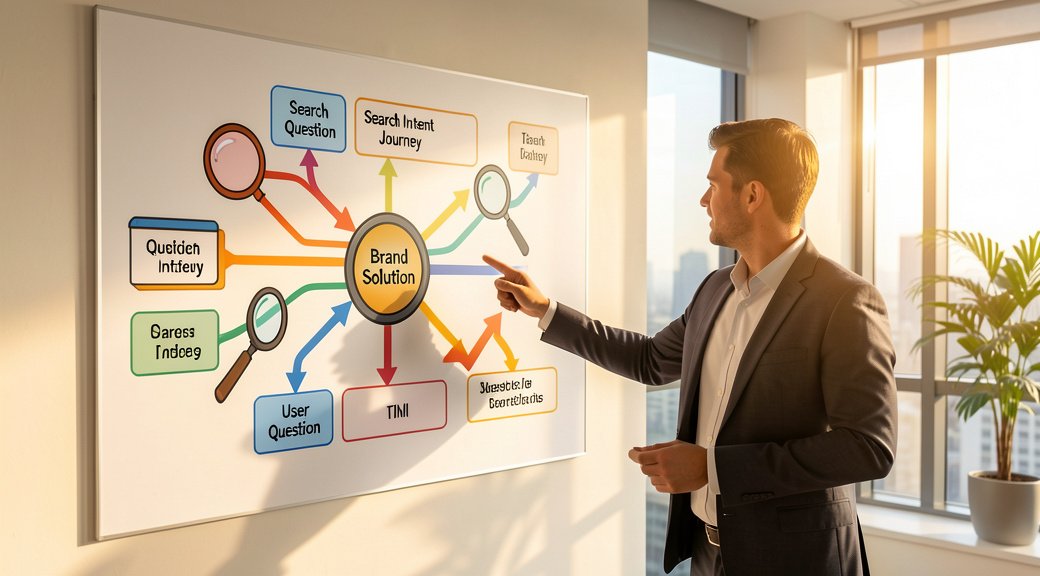
    You cannot attract inbound search engine leads if search engines do not see you as a credible, authoritative source. This foundational layer is non-negotiable. It begins with a deep, empathetic understanding of your target audience. You must map their journey, identifying the questions, frustrations, and goals they have at each stage, from initial awareness to purchase decision. This process, often called search intent mapping, informs every piece of content you create. Your goal is to become the most comprehensive and helpful resource for every intent cluster related to your niche.

    Technical SEO is the bedrock that allows this helpful content to be found and ranked. A site that loads slowly, isn’t mobile-friendly, or has a confusing structure will undermine even the best content. Core Web Vitals, mobile responsiveness, clean site architecture, and secure connections (HTTPS) are not optional. They are the price of admission. Furthermore, establishing topical authority is critical. Search engines increasingly evaluate E-E-A-T (Experience, Expertise, Authoritativeness, Trustworthiness). You demonstrate this by creating a cohesive content ecosystem that thoroughly covers a subject area, linking related content internally, and earning backlinks from other reputable sites in your industry. This signals to algorithms that you are a true expert, worthy of ranking for competitive, high-intent terms.

    Creating Content That Captures Intent and Converts

    With a solid technical and authoritative foundation, your content becomes the magnet. The key is to align content formats and messaging with the specific stage of the buyer’s journey. Top-of-funnel (TOFU) searchers are in the awareness stage. They have a problem but may not know the solution or your brand. Here, your content should be educational, broad, and answer their fundamental questions. Think blog posts, guides, and videos targeting informational keywords like “what is,” “how to,” or “best ways to.” The goal is not a hard sell, but to provide genuine value and introduce your brand as a helpful guide.

    Middle-of-funnel (MOFU) searchers are considering solutions. They know their problem and are evaluating options. Your content must now demonstrate your expertise and differentiate your approach. This is the realm of comparison articles, case studies, detailed product/service pages, and webinars. You target keywords with commercial intent, such as “[solution A] vs [solution B],” “benefits of,” or “how to choose.” Bottom-of-funnel (BOFU) searchers are ready to decide. They are often using branded keywords or very specific commercial terms like “[your product] pricing” or “[your service] demo.” Your content here must remove final friction points, offer social proof (testimonials, reviews), and provide a clear, compelling call-to-action (CTA).

    To execute this strategy effectively, a structured content operations framework is essential. This ensures consistency, quality, and alignment with business goals. A simple yet powerful framework involves four key stages:

    1. Research and Planning: Use keyword research tools, analyze competitor gaps, and map content to intent and journey stage. Prioritize based on opportunity and strategic value.
    2. Creation and Optimization: Produce high-quality content that comprehensively satisfies the search intent. Optimize on-page elements (title tags, meta descriptions, headers) and ensure content is engaging and scannable.
    3. Promotion and Amplification: Do not publish and hope. Share content through owned channels (email, social), consider paid promotion for key pieces, and conduct outreach to earn links and mentions.
    4. Analysis and Iteration: Monitor performance metrics (rankings, traffic, engagement, conversions). Use data to update old content, double down on what works, and refine your strategy.

    Optimizing for Conversion: From Click to Lead

    Attracting the click is only half the battle. The moment a visitor lands on your page is critical. You must immediately confirm they are in the right place and guide them toward becoming a lead. This requires meticulous conversion rate optimization (CRO) of your landing pages and content. A high-intent blog post that ends abruptly is a missed opportunity. Every piece of content should have a next step tailored to the visitor’s likely intent.

    Your page must be designed for clarity and action. Use clear, benefit-driven headlines. Structure content with descriptive subheadings (H2, H3) for easy scanning. Support claims with data, visuals, and social proof. Most importantly, place strategic, contextually relevant CTAs throughout the user’s journey. A TOFU guide might end with a CTA to download a more detailed checklist or join a webinar. A MOFU case study should have a prominent CTA to schedule a consultation or view a product demo.

    To systematically improve this process, focus on these core elements of on-page conversion optimization:

    • Value Proposition Clarity: Can a visitor understand what you offer and why it’s better within 5 seconds?
    • Strategic Call-to-Action Placement: Use inline CTAs within content, sticky bars, and prominent buttons at logical conclusion points.
    • Lead Magnet Quality: Your gated offers (ebooks, templates, tools) must provide exceptional, specific value in exchange for contact information.
    • Form Optimization: Minimize friction. Only ask for essential information initially. Use progressive profiling for future engagements.
    • Trust Signals: Display client logos, testimonials, security badges, and clear privacy policies to reduce hesitation.

    Furthermore, leverage tools like heatmaps and session recordings to understand how users interact with your pages. Where do they scroll? Where do they click? Where do they drop off? This qualitative data, combined with quantitative A/B testing of headlines, CTAs, and page layouts, allows you to make data-driven decisions that incrementally boost your conversion rate, turning more of your hard-earned search traffic into tangible leads.

    Sustaining and Scaling Your Inbound Lead Engine

    A successful inbound search strategy is not a one-time project, it’s an ongoing process of refinement and scaling. The digital landscape and search algorithms constantly evolve. What worked last year may be less effective today. Therefore, your approach must be agile and data-informed. The core of this is a robust analytics setup. You need to move beyond vanity metrics like overall traffic and track the metrics that directly tie to business outcomes: lead volume, cost per lead, lead quality, and ultimately, customer acquisition cost and ROI.

    Use platforms like Google Analytics 4 (GA4) and Google Search Console (GSC) in tandem. GSC shows you what queries you rank for, your click-through rates, and impressions. GA4 reveals what those users do after they click: which pages convert best, what the user journey looks like, and which channels drive the most valuable leads. By connecting this data, you can identify your highest-performing content, discover new keyword opportunities you’re beginning to rank for (“keyword flowering”), and pinpoint pages with high traffic but low conversion that need optimization.

    Scaling your efforts involves two primary paths: deepening and broadening. Deepening means optimizing and updating existing high-potential content to improve its rankings and conversion rates. This is often more efficient than creating new content from scratch. Broadening means strategically expanding into new, related topic clusters or adjacent markets to capture a wider audience. As you scale, maintaining quality and a consistent brand voice is paramount. This is where a clear content strategy, style guides, and effective use of technology (like content management systems and AI-assisted writing tools for ideation and drafting) become critical for operational efficiency without sacrificing the authority and trust you’ve built.

    The ultimate goal is to create a self-reinforcing system. High-quality content builds authority and attracts links. Authority improves rankings for competitive terms. Better rankings drive more qualified traffic. Optimized pages convert that traffic into leads. Those leads fuel business growth, which provides resources and case studies to create even better content. By mastering the interplay of technical foundation, intent-driven content, conversion science, and data-driven iteration, you build not just a marketing channel, but a durable asset that consistently works to attract inbound search engine leads, day and night.