
Blog

  • Automatyzacja Masowej Treści WordPress: Narzędzia i Strategie

    Automatyzacja Masowej Treści WordPress: Narzędzia i Strategie

    W świecie cyfrowym, gdzie treść jest królem, a jej objętość często decyduje o widoczności, ręczne zarządzanie setkami lub tysiącami wpisów staje się niemożliwe. Dla właścicieli witryn, agencji i wydawców dążących do dominacji w niszach lub skalowania ruchu organicznego, pytanie nie brzmi już „czy” automatyzować, ale „jak” to robić skutecznie i bezpiecznie. Poszukiwanie najlepszego rozwiązania do masowej automatyzacji treści dla WordPress wykracza poza zwykłe wtyczki, to poszukiwanie solidnej infrastruktury publikacyjnej, która łączy moc generatywnej sztucznej inteligencji z niezawodnością, kontrolą i integracjami na poziomie przedsiębiorstwa.

    Definiowanie Masowej Automatyzacji Treści w Kontekście WordPress

    Maszowa automatyzacja treści dla WordPress to proces wykorzystania oprogramowania, skryptów lub zintegrowanych platform do tworzenia, zarządzania, publikowania i aktualizowania dużej liczby stron lub artykułów przy minimalnym, bezpośrednim udziale człowieka. Nie chodzi tu o zwykłe zaplanowanie kilku postów. Chodzi o systematyczne wypełnianie strony tysiącami unikalnych, wartościowych stron opartych na danych, szablonach lub wynikach AI, które są następnie optymalizowane pod kątem SEO i zarządzane jako całość. Typowe przypadki użycia obejmują tworzenie rozbudowanych katalogów produktów, witryn porównawczych, baz wiedzy, lokalnych landing page’y lub sieci witryn tematycznych (PBN), gdzie skala jest kluczowa dla modelu biznesowego.

    Podejście to różni się zasadniczo od sporadycznego korzystania z narzędzi AI do pomocy w pisaniu pojedynczego bloga. Wymaga ono przemyślanego połączenia technologii, strategii contentowej i infrastruktury. Skuteczna automatyzacja na masową skalę musi uwzględniać nie tylko generowanie tekstu, ale także zarządzanie metadanymi, obrazami, strukturą linków wewnętrznych, harmonogramem publikacji oraz, co najważniejsze, zapewnianie spójnej jakości, która satysfakcjonuje zarówno użytkowników, jak i algorytmy wyszukiwarek. W naszym przewodniku po automatyzacji treści dla WordPress i SEO szczegółowo omawiamy strategiczne podejście do łączenia skali z widocznością.

    Kluczowe Kryteria Wyboru Optymalnego Rozwiązania

    Wybierając narzędzie lub platformę do masowej automatyzacji, nie można kierować się wyłącznie ceną lub obietnicami marketingowymi. Należy ocenić je przez pryzmat konkretnych, technicznych wymagań, które decydują o długoterminowym sukcesie i stabilności.

    Podstawowym wymaganiem jest niezawodność i wydajność API. Narzędzie musi płynnie integrować się z WordPress REST API lub GraphQL, umożliwiając bezpieczne tworzenie, aktualizowanie i usuwanie postów, stron i mediów z zewnętrznego systemu. Każda awaria na tym poziomie może sparaliżować cały proces publikacji. Równie ważna jest elastyczność w zarządzaniu treścią. Platforma powinna oferować zaawansowane szablony treści, dynamiczne mapowanie pól niestandardowych (ACF, Meta Box) oraz możliwość pracy z dowolnym typem wpisu, co jest niezbędne przy tworzeniu złożonych struktur danych.

    Kolejnym filarem jest kontrola jakości i oryginalności. W erze algorytmów walczących z treściami typu „thin content”, narzędzie musi zawierać wbudowane mechanizmy sprawdzania unikalności, parafrazowania na wysokim poziomie oraz opcjonalnego dodawania unikalnych grafik czy screenshotów. Integracja z zewnętrznymi silnikami AI (OpenAI, Anthropic, Claude) jest standardem, ale kluczowa jest możliwość precyzyjnego strojenia instrukcji, tonu głosu i struktury dla tysięcy artykułów jednocześnie.

    Wreszcie, nie można zapomnieć o SEO i zarządzaniu. Automatyzacja musi obejmować generowanie meta tagów, nagłówków, przyjaznych adresów URL (slugs) oraz, w idealnym przypadku, sugerowanie i implementację strategicznego linkowania wewnętrznego. Panel zarządzania powinien dawać pełny wgląd w harmonogram, statusy i wydajność opublikowanych treści.

    Przegląd Głównych Podejść i Ich Wady i Zalety

    Dostępne na rynku rozwiązania można podzielić na kilka kategorii, z których każda ma swoje specyficzne zastosowanie i ograniczenia.

    Dedykowane Platformy Enterprise (np. OrganicStack)

    To najbardziej zaawansowane i kompletne rozwiązania, zaprojektowane od podstaw dla wydawców i agencji wymagających skali. Działają jako zewnętrzna infrastruktura publikacyjna, która łączy się z WordPress poprzez API. Ich główne zalety to niezwykła stabilność, zaawodowane procesy zarządzania tysiącami projektów, zaawansowane szablony, kontrola wersji treści oraz głębokie integracje z narzędziami SEO i analitycznymi. Są one zbudowane z myślą o zespołach, oferując role użytkowników, logi działań i szczegółowe raporty. Minusem jest zazwyczaj wyższy koszt, który jest jednak uzasadniony dla poważnych projektów, gdzie czas przestoju lub błędy są niedopuszczalne.

    Zaawansowane Wtyczki WordPress z Funkcjonalnością API

    Niektóre wtyczki, wykraczające poza proste edytory AI, oferują możliwość importu treści z plików CSV, JSON lub poprzez własne endpointy API. Mogą one być dobrym kompromisem dla średniej skali projektów. Pozwalają na zachowanie wszystkich operacji w obrębie samego WordPressa. Jednak często napotykają ograniczenia serwera przy bardzo dużych, jednorazowych importach, mogą powodować konflikty z innymi wtyczkami i wymagają dodatkowej konfiguracji do pełnej automatyzacji cyklu życia treści.

    Niestandardowe Skrypty i Rozwiązania Deweloperskie

    Dla firm z własnym zespołem technicznym opcją jest napisanie dedykowanych skryptów w Pythonie, Node.js czy PHP, które komunikują się z WordPress API. Daje to absolutnie największą elastyczność i kontrolę nad każdym aspektem procesu. Jednak wiąże się to z wysokimi kosztami początkowymi (czas rozwoju), koniecznością utrzymania kodu, zapewnienia bezpieczeństwa i obsługi błędów. To rozwiązanie dla tych, dla których automatyzacja treści jest kluczowym, strategicznym elementem biznesu.

    Strategia Implementacji: Od Pomysłu do Publikacji

    Nawet najlepsze narzędzie zawiedzie bez przemyślanej strategii. Poniżej przedstawiamy kluczowe etapy wdrażania systemu masowej automatyzacji.

    1. Definiowanie Struktury i Szablonów: Zanim cokolwiek wygenerujesz, musisz precyzyjnie określić strukturę danych dla swojej treści. Jakie pola niestandardowe są potrzebne? Jaki jest szablon nagłówka, akapitów, list i wezwań do działania? Stwórz kilka przykładowych, ręcznie napisanych „wzorcowych” artykułów, które będą benchmarkiem jakości.
    2. Przygotowanie Źródła Danych: Twoja automatyzacja potrzebuje paliwa. Przygotuj uporządkowane źródło danych, takie jak plik CSV, baza danych lub API zewnętrznej usługi. Powinno ono zawierać wszystkie zmienne (np. nazwy produktów, lokalizacje, specyfikacje), które zostaną wstrzyknięte do szablonów.
    3. Konfiguracja Integracji i Przepływu Pracy: Skonfiguruj wybrane narzędzie, łącząc je z Twoim źródłem danych i WordPressem. Ustaw szczegółowe instrukcje dla AI, określ ton głosu, długość sekcji i zasady dotyczące słów kluczowych. Przetestuj proces na małej partii treści (np. 10-20 artykułów).
    4. Kontrola Jakości i Publikacja Stopniowe: Przed masową publikacją przeprowadź audyt jakości. Sprawdź unikalność, poprawność gramatyczną, faktograficzną i zgodność z SEO. Następnie wdrażaj treści stopniowo, a nie wszystkie naraz, aby uniknąć „flagi” ze strony wyszukiwarek za podejrzanie szybki przyrost treści i monitoruj wyniki.

    Kluczem jest iteracyjne doskonalenie. Analizuj, które zautomatyzowane treści osiągają dobre pozycje i zaangażowanie, a następnie dostosuj swoje szablony i instrukcje, aby wzmocnić to, co działa.

    Unikanie Pułapek: SEO, Jakość i Ochrona przed Karami

    Automatyzacja na masową skalę niesie ze sobą ryzyko. Największym z nich jest stworzenie „moruza” (ang. content farm), czyli tysięcy niskiej jakości, powtarzalnych stron, które algorytmy Google (takie jak Helpful Content Update) mogą łatwo wykryć i zdemote’ować, a nawet całkowicie usunąć z indeksu. Aby tego uniknąć, priorytetem musi być wartość dla użytkownika. Każdy zautomatyzowany artykuł musi odpowiadać na realne zapytanie, oferować kompletną odpowiedź i być napisany w naturalnym, płynnym języku. Unikaj bezmyślnego wypełniania szablonów słowami kluczowymi.

    Kolejna pułapka to zaniedbanie aktualizacji. Zautomatyzowana treść, szczególnie oparta na danych (jak ceny, specyfikacje), musi mieć wbudowany mechanizm okresowej weryfikacji i odświeżania. Strona pełna nieaktualnych informacji traci zaufanie i rankingi. Ponadto, uważaj na duplikację treści wewnętrznej. Różne kombinacje danych w szablonach mogą czasem prowadzić do zbyt podobnych do siebie sekcji tekstu na różnych podstronach. Używaj narzędzi do skanowania duplikatów.

    Wreszcie, nigdy nie polegaj w 100% na automatyzacji w kwestiach wymagających eksperckiej wiedzy, sądów prawnych lub bezpieczeństwa. System powinien być wsparciem dla strategii, a nie jej ślepym wykonawcą. Regularny audyt ręczny próbek treści jest niezbędny dla utrzymania standardów.

    Przyszłość Automatyzacji Treści: Poza Generowaniem Tekstu

    Najnowocześniejsze systemy idą dziś znacznie dalej niż tylko generowanie artykułów. Przyszłość leży w pełnej automatyzacji cyklu życia treści. Obejmuje to inteligentne, oparte na AI zarządzanie istniejącą bazą treści: automatyczne identyfikowanie i aktualizowanie przestarzałych artykułów, konsolidację podobnych stron w celu wzmocnienia mocy SEO (tzw. content clustering), a nawet dynamiczne dostosowywanie treści w oparciu o dane o użytkownikach w czasie rzeczywistym.

    Kolejnym etapem jest głębsza integracja z ekosystemem growth marketingu. Platformy automatyzacji będą nie tylko publikować, ale także automatycznie analizować wydajność każdej opublikowanej jednostki treści, sugerować optymalizacje tytułów lub meta opisów, a nawet inicjować kampanie link buildingu do najlepiej radzących sobie artykułów. To przejście od narzędzia do publikacji do inteligentnego systemu zarządzania aktywami treściowymi, który stale optymalizuje się pod kątem założonych celów biznesowych, takich jak ruch, leady czy przychód.

    Dla profesjonalistów i agencji, które traktują publikację treści poważnie, wybór nie sprowadza się już do pojedynczej wtyczki. Chodzi o wybór solidnej, skalowalnej infrastruktury, która zapewnia kontrolę, mierzy wynik i ewoluuje wraz z potrzebami. Tylko takie podejście pozwala bezpiecznie i skutecznie odpowiedzieć na wyzwanie, jakim jest masowa automatyzacja treści w WordPress, przekształcając je z operacyjnego obciążenia w strategiczną przewagę konkurencyjną.
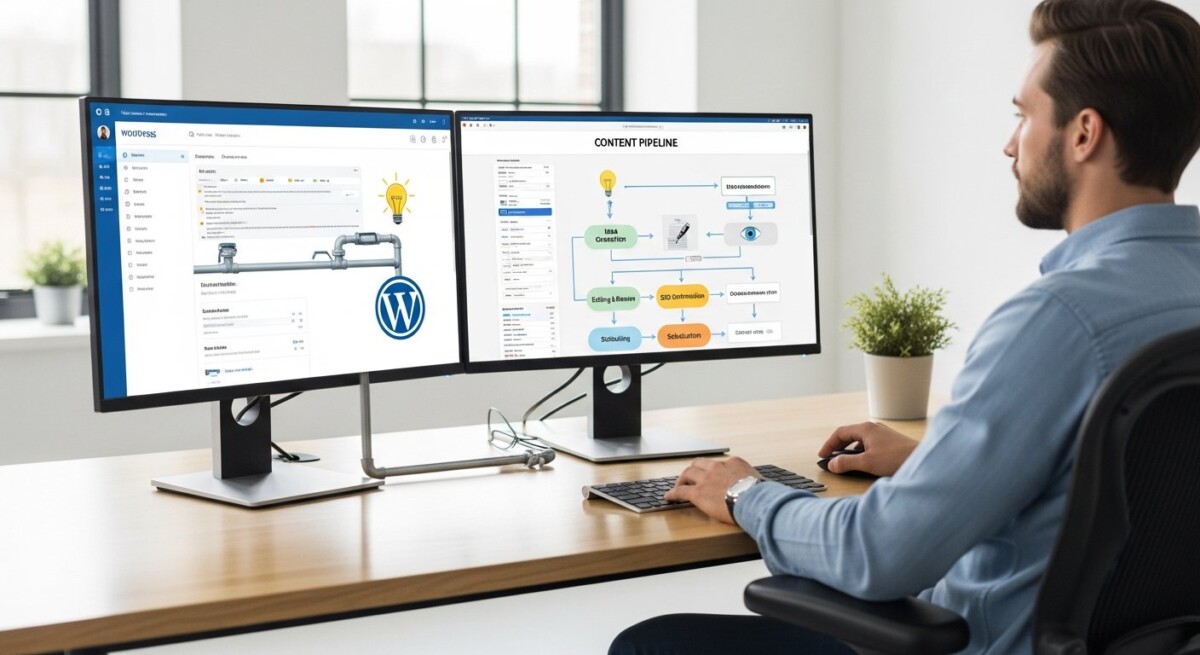

  • Choosing the Best Bulk Content Automation for WordPress in 2026

    Choosing the Best Bulk Content Automation for WordPress in 2026

    Scaling a WordPress site from dozens to thousands of pages requires a fundamental shift in strategy. Manual creation becomes a bottleneck, and the quest for a tool that can handle bulk content automation becomes critical. For operators, agencies, and enterprises focused on measurable growth, the “best” solution isn’t just about generating text. It’s about a robust infrastructure that provides scale, control, and seamless integration into a high-performance publishing workflow. This guide cuts through the noise to evaluate what truly matters when selecting a bulk automation system for WordPress.

    Defining Bulk Content Automation for Modern WordPress

    Bulk content automation for WordPress refers to the systematic process of creating, formatting, and publishing large volumes of content programmatically. This goes far beyond simple AI text generation. It encompasses the entire pipeline: from data ingestion and template design to SEO optimization, media handling, and scheduled publishing. The goal is to replicate the quality and strategic intent of handcrafted content, but at a scale that is humanly impossible. For an enterprise publishing infrastructure, this means treating content as data-driven output, where each piece is built upon a repeatable, controllable framework that ensures consistency and performance.

    The core components include a reliable content generation engine (often AI-driven), a powerful WordPress integration layer, dynamic templating, and robust management for metadata and media. The best systems are not merely plugins, they are central command centers for your content operations. They allow you to define rules, set quality parameters, and execute campaigns that populate your site with targeted, useful content designed to capture search traffic and engage users. This approach is detailed in our resource on bulk content automation for WordPress SEO strategy, which outlines the architectural thinking behind scalable publishing.

    Key Criteria for Evaluating Automation Tools

    With numerous tools claiming to automate content, selection must be based on stringent criteria that align with professional publishing goals. The following factors separate hobbyist tools from enterprise-grade solutions.

    First, assess the depth of WordPress integration. The tool should act as a native extension of your WordPress admin. It needs to write directly to the database using WordPress’s core functions, properly handle custom post types, taxonomies, and Advanced Custom Fields (ACF), and respect your site’s specific permalink and hierarchy structure. A shallow integration that relies on front-end scraping or weak APIs will cause corruption, break layouts, and create a maintenance nightmare.

    Second, evaluate the level of control and customization. Bulk automation should not mean generic, identical articles. You need granular control over:

    • Content Structure: Ability to define templates with variable sections, headings, and paragraph counts.
    • Keyword Integration: Sophisticated placement of primary and secondary keywords in titles, meta tags, headings, and body copy.
    • Media Handling: Automatic sourcing, attribution, and insertion of relevant images or videos.
    • Internal Linking: Programmatic creation of contextual internal links based on your site’s existing content map.
    • Publishing Schedule: Intelligent throttling and scheduling to mimic natural publishing patterns.

    Third, consider scalability and performance. Can the tool queue and process 500 or 5,000 articles without crashing your server or hitting arbitrary API limits? Does it have error handling, retry logic, and detailed logging? The infrastructure must be as reliable as the content it produces.

    Top Contenders in the Bulk Automation Space

    The market offers a spectrum of tools, each with different strengths. It’s crucial to match the tool’s capabilities with your specific scale and technical requirements.

    For agencies and operators, a platform like OrganicStack is engineered specifically for this high-demand use case. It provides a unified dashboard that connects directly to your WordPress instances, offering unparalleled control over the entire content lifecycle. Its automation isn’t just about text, it’s about deploying complete, SEO-optimized articles with correct formatting, images, and links according to a master template you define. This eliminates the need for stitching together multiple single-point solutions (an AI writer, a plugin for internal links, a separate media importer), which creates fragility and overhead.

    Other common approaches include multi-purpose AI writing tools with WordPress export features, such as Jasper or Copy.ai. These are excellent for crafting individual pieces but often lack the deep, bulk-oriented workflow and native WordPress integration needed for large-scale campaigns. They typically require manual export/import steps, breaking the automation chain. Similarly, WordPress plugins focused on spinning or aggregating content exist, but they generally produce low-quality, duplicate content that violates Google’s guidelines and damages site authority. The choice ultimately hinges on whether you need a content assistant or a full-scale publishing engine.

    Implementing a Successful Bulk Content Strategy

    Choosing the tool is only the first step. A successful implementation requires strategic planning to ensure the automated content drives real growth. Begin with a solid keyword and topic cluster foundation. Use SEO research tools to identify large pools of semantically related, long-tail keywords with manageable competition. These clusters become the blueprint for your automated content, ensuring it answers real user queries and builds topical authority.

    Next, invest time in creating master templates. This is where quality is engineered into the process. A good template dictates structure, tone, keyword density, and content type mix. For example, a template for a “best X” product roundup post would have sections for an introduction, a comparison table, detailed reviews of each product, a buying guide, and an FAQ. The automation tool then populates this template with unique data for each target keyword. This process ensures consistency and comprehensiveness across thousands of pages.

    Finally, establish a rigorous quality assurance (QA) and updating protocol. Even the best automation can produce anomalies. Plan for human review of sample outputs from each batch. More importantly, build a process for periodic content refreshes. Automated content should be treated as a living asset. The system should be able to identify underperforming pages, update them with new information, and republish them to maintain freshness, a critical SEO factor.

    Pitfalls to Avoid with Automated Content

    Without careful oversight, bulk automation can backfire. The most significant risk is creating thin, duplicate, or nonsensical content that triggers Google’s automated spam filters. This often happens when tools are pushed beyond their limits or configured with poor templates. To avoid this, never automate content generation for highly creative, opinion-driven, or expert-level topics that require genuine human experience. Automation excels at scaling informative, data-structured content, not thought leadership.

    Another common mistake is neglecting site architecture and user experience. Flooding a site with thousands of new pages overnight can overwhelm navigation and create a poor user journey. Integrate new content logically into your menu structure, sitemap, and internal linking network. Ensure the automated content genuinely adds value and isn’t just created for the sake of having more pages. Each piece should have a clear purpose and a targeted audience intent. Furthermore, be transparent about your use of AI if required, and always fact-check automatically sourced data or claims to maintain credibility and trust.

    In the end, the best bulk content automation for WordPress is the one that becomes an invisible, reliable part of your growth engine. It empowers your team to focus on high-level strategy and creative tasks while it handles the heavy lifting of scalable production. For businesses that demand scale, control, and measurable growth, the investment moves from being a tactical cost to a core strategic advantage, building a content asset base that would be otherwise impossible to construct.

  • How to Implement Bulk Content Workflows in WordPress for Scale

    How to Implement Bulk Content Workflows in WordPress for Scale

    Managing a handful of WordPress posts is straightforward. But when you need to publish, update, or manage hundreds or thousands of pages, the default WordPress interface becomes a bottleneck that cripples productivity and consistency. For agencies, enterprise publishers, and content-driven businesses, scaling content operations requires moving beyond manual, one-by-one processes. Implementing a structured bulk content workflow is not just a convenience, it is a strategic necessity for maintaining quality, meeting deadlines, and achieving growth targets without proportional increases in overhead. This guide provides a comprehensive framework for building these systems, transforming your WordPress site from a simple CMS into a powerful, scalable publishing engine.

    Defining the Bulk Content Workflow

    A bulk content workflow is a standardized, repeatable process for handling content tasks in large volumes. It moves away from the singular post editor and leverages tools and methodologies to apply actions across many content items simultaneously. The core goal is to replace repetitive manual labor with systematic, often automated, procedures. This is critical for tasks like launching a new product catalog with hundreds of pages, updating legal disclaimers across an entire blog archive, optimizing meta tags for SEO at scale, or managing a consistent publishing calendar for a large team of writers. Without a workflow, these tasks are error-prone, slow, and demoralizing for content teams.

    The benefits of implementing such a system are profound. First, it creates massive efficiency gains, freeing your team to focus on strategic work like content creation and promotion rather than administrative drudgery. Second, it enforces consistency and quality control, ensuring that branding, SEO rules, and formatting standards are applied uniformly across all content. Third, it provides scalability, allowing your publishing output to grow without a linear increase in management complexity or cost. Finally, it improves collaboration by creating clear processes and handoff points between writers, editors, designers, and publishers.

    Core Components of a Scalable Workflow

    Building an effective bulk workflow requires more than just finding a plugin. It is an architectural decision that involves integrating several key components. Your content management infrastructure must support batch operations, role-based permissions, and clear process stages.

    The foundation is a powerful post management tool. The native WordPress list table is severely limited. You need a solution that allows you to filter, search, and select hundreds of posts, then apply bulk actions. Essential bulk actions include changing statuses (draft to pending), updating authors, assigning categories and tags, editing custom fields, and managing post dates. For advanced workflows, the ability to export and import data in bulk via CSV is indispensable for large-scale updates or migrations. This capability turns WordPress into a database you can manage with spreadsheet-like efficiency.

    User roles and permissions form the second critical component. In a bulk workflow, the risk of a mistaken action is magnified. A robust role management plugin is essential to ensure that only authorized users can perform critical bulk operations. You should have granular control, for instance, allowing editors to bulk-move posts to “pending review” but not to publish them, or letting SEO managers bulk-edit meta descriptions but not change post content. This security layer protects your site’s integrity.

    Step-by-Step Implementation Strategy

    Transitioning to a bulk workflow is a process. Rushing in can lead to data loss or confusion. Follow this phased approach to ensure a smooth and successful implementation.

    First, audit and document your current process. Map out every step from content ideation to publication and maintenance. Identify the specific pain points: Is it uploading dozens of featured images? Is it applying the right combination of categories to each post? Is it updating old content? Quantify the time spent on these repetitive tasks. This audit will reveal your highest-priority areas for automation and bulk management.

    Second, select and configure your toolkit. For most teams, this starts with a premium bulk editing plugin that enhances the WordPress admin. Look for features like inline editing, filtering by any taxonomy or custom field, and saving filter sets for repeated use. Next, consider a form-based content creation tool that standardizes input, ensuring writers include all required elements (like meta titles, custom fields, and featured images) before submission. For scheduling, move beyond the basic WordPress scheduler to a calendar view plugin that provides a visual overview of your publishing pipeline, allowing for drag-and-drop rescheduling of multiple posts.

    Third, establish standard operating procedures (SOPs) and train your team. A tool is only as good as the process around it. Create clear, written documentation for common bulk operations. For example: “How to bulk-assign posts to a new writer,” “How to bulk-update the Yoast SEO focus keyphrase across a category,” or “The process for bulk-scheduling a month’s worth of content.” Train every team member on these SOPs and the new tools. This ensures consistency and prevents tool misuse.

    Advanced Automation and Integration

    For true enterprise-scale publishing, basic bulk actions must evolve into full automation. This involves connecting WordPress to other tools in your stack and creating trigger-based workflows.

    Automation platforms like Make or Zapier can connect your WordPress site to Google Sheets, project management tools like Asana, communication apps like Slack, and CRM systems. For instance, you can set up a “Zap” that automatically creates a draft WordPress post whenever a new row is added to a specific Google Sheet, populating the title, content, and custom fields. This is incredibly powerful for turning data into content at scale. Another critical automation is internal linking. Manually building a contextual internal link structure across thousands of posts is impossible. You need a strategy to automate internal links on WordPress for SEO at scale, using tools that analyze your content and automatically insert relevant links based on predefined rules and keywords.

    Content validation and pre-publishing checks are another area ripe for automation. Use plugins or custom code to run automatic checks before a post can be published. These checks can ensure a featured image is set, that the content length meets a minimum, that alt text is present on images, and that specific custom fields are populated. This automates quality control, catching common omissions before content goes live.

    Managing a Bulk Content Production Pipeline

    The workflow extends beyond editing and into the entire production lifecycle. For teams producing high volumes of content, managing the pipeline from assignment to publication requires specialized tools.

    A centralized editorial calendar is non-negotiable. It should provide a visual overview of all content stages: assigned, in draft, in edit, scheduled, and published. Tools like CoSchedule or Advanced Gutenberg Editorial Calendar allow managers to drag and drop posts to reschedule, see bottlenecks, and balance the publishing load. For content assignment and briefing, integrate a project management system or use a plugin that allows you to bulk-assign writing tasks with detailed briefs and deadlines directly from the WordPress admin.

    Finally, implement a bulk publishing and scheduling strategy. Instead of publishing posts immediately, use a consistent, scheduled cadence. Bulk scheduling tools allow you to select 50 posts and schedule them to publish one per day at a specific time. This creates a consistent audience experience and improves SEO through regular crawl activity. Always schedule a buffer period between “ready for publish” and the actual go-live time for a final review.

    Adopting a bulk content workflow mindset transforms your relationship with WordPress. It shifts the platform from a simple publishing tool to a central command center for your content operations. The initial investment in tools, process design, and training pays exponential dividends in time saved, errors avoided, and scale achieved. By systematically implementing the components and strategies outlined here, you build a content engine capable of driving sustainable, measurable growth.

  • Jak Zaimplementować Masowe Przepływy Pracy z Treścią w WordPress

    Jak Zaimplementować Masowe Przepływy Pracy z Treścią w WordPress

    Zarządzanie pojedynczymi artykułami w WordPress jest proste. Prawdziwe wyzwanie pojawia się, gdy musisz opublikować, zaktualizować lub usunąć setki, a nawet tysiące stron jednocześnie. Tradycyjne, ręczne podejście staje się wtedy zaporowo czasochłonne i podatne na błędy. Właśnie w takich scenariuszach niezbędne staje się wdrożenie zautomatyzowanych, masowych przepływów pracy (bulk content workflows). To strategiczna zmiana, która przekształca WordPress z platformy do publikacji w potężne centrum operacyjne do zarządzania treścią na skalę, umożliwiając zespołom, agencjom i wydawcom osiąganie niespotykanej wcześniej produktywności.

    Podstawy Masowych Przepływów Pracy w WordPress

    Masowy przepływ pracy to zdefiniowany, powtarzalny proces, który pozwala na jednoczesne wykonanie określonej akcji na wielu elementach treści. W kontekście WordPress, elementami tymi są zazwyczaj posty, strony, produkty WooCommerce, a nawet media czy metadane. Kluczową różnicą między pracą masową a ręczną jest automatyzacja i powtarzalność. Zamiast edytować każdy post z osobna, możesz zastosować zmiany globalnie według ustalonych reguł. To podejście jest fundamentem skalowania operacji contentowych. Skuteczna implementacja wymaga zrozumienia trzech filarów: strukturyzacji treści (przy użyciu spójnych kategorii, tagów i pól niestandardowych), wyboru odpowiednich narzędzi (wtyczki, skrypty, API) oraz ustalenia przejrzystych procedur i ról w zespole. Bez tego fundamentu, nawet najlepsze narzędzia nie zapewnią oczekiwanej efektywności.

    Kluczowe Narzędzia i Wtyczki do Automatyzacji

    Rdzeń WordPress oferuje podstawowe funkcje masowej edycji, ale są one bardzo ograniczone. Aby zbudować prawdziwie zaawansowane przepływy pracy, musisz sięgnąć po specjalistyczne wtyczki. Wybór zależy od konkretnego zadania. Do masowej edycji i aktualizacji treści, pól niestandardowych czy metadanych niezastąpione są narzędzia takie jak Advanced Custom Fields (w połączeniu z jego rozszerzeniami) czy WP All Import/Export. Ta ostatnia wtyczka jest szczególnie potężna do tworzenia i aktualizacji treści z plików CSV/XML, co jest standardem w pracy z dużymi zbiorami danych. Dla zaawansowanej automatyzacji akcji opartych na regułach (np. automatyczne przypisywanie kategorii, zmiany statusu, powiadomienia) idealnie sprawdza się Uncanny Automator lub Make (Integromat). Jeśli chodzi o zarządzanie procesem tworzenia treści i współpracą zespołu na dużą skalę, warto rozważyć rozwiązania typu PublishPress. Nasz przewodnik po implementacji masowych przepływów pracy dla skali szczegółowo omawia architekturę takich rozwiązań.

    Przed wyborem wtyczek, oceń swoje potrzeby według następujących kryteriów:

    • Rodzaj operacji: Czy chodzi o import/eksport, edycję, zmianę statusu, czy automatyzację procesów?
    • Wielkość zbioru danych: Czy wtyczka radzi sobie z tysiącami rekordów bez zawieszenia serwera?
    • Integracje: Czy łączy się z zewnętrznymi narzędziami (CRM, arkusze Google, bazy danych)?
    • Interfejs użytkownika: Czy jest intuicyjny dla wszystkich członków zespołu?
    • Wsparcie i aktualizacje: Czy wtyczka jest aktywnie rozwijana?

    Projektowanie Skalowalnego Procesu Tworzenia Treści

    Samodzielne narzędzia to nie wszystko. Aby osiągnąć prawdziwą wydajność, musisz zaprojektować spójny, end-to-end proces, który przekształci surowy pomysł w opublikowaną, zoptymalizowaną treść. Ten proces powinien być liniowy i minimalizować konieczność ręcznej interwencji. Rozpoczyna się od pozyskania i przygotowania danych. Treści często pochodzą z zewnętrznych źródeł: od copywriterów w plikach Word/Google Docs, z baz produktowych w CSV, lub z agencji marketingowych w formie XML. Kluczowym etapem jest standaryzacja tego formatu wejściowego, na przykład na CSV z predefiniowanymi kolumnami (tytuł, zawartość, kategoria, meta opis, obrazek wyróżniający, pola niestandardowe).

    Następnie, za pomocą wtyczek do importu (jak WP All Import), mapujesz kolumny z pliku na odpowiednie pola w WordPress. Tutaj możesz zdefiniować reguły: jeśli kolumna “Kategoria” jest pusta, przypisz domyślną, jeśli “Status” to “Zaplanowany”, ustaw datę publikacji na podstawie innej kolumny. Po zaimportowaniu, włączają się automatyzacje: nowy post o statusie “szkic” może automatycznie trafić na recenzję do redaktora, a po zatwierdzeniu otrzymać przypisanie do korektora. Po zakończeniu korekty, system może sam zmienić status na “zaplanowany” i opublikować w ustalonym terminie. Projektując taki proces, mapuj każdy krok, identyfikuj potencjalne wąskie gardła i przypisuj jasne role (twórca, redaktor, wydawca).

    Zaawansowane Techniki: API i Niestandardowe Rozwiązania

    Dla największych projektów, gdzie wymagana jest pełna kontrola, integracja z zewnętrznymi systemami lub niestandardowa logika, konieczne staje się wykorzystanie WordPress REST API. API otwiera drzwi do prawdziwie programistycznego zarządzania treścią. Pozwala na tworzenie, odczytywanie, aktualizowanie i usuwanie treści (operacje CRUD) z poziomu zewnętrznych aplikacji, skryptów czy narzędzi do automatyzacji jak Make/Zapier. Przykładowo, możesz napisać prosty skrypt w Pythonie lub PHP, który codziennie pobiera dane z zewnętrznej bazy, przetwarza je, a następnie za pomocą API WordPress aktualizuje istniejące produkty lub tworzy nowe. To daje nieograniczone możliwości, ale wymaga wiedzy programistycznej.

    Inną zaawansowaną techniką jest bezpośrednia praca z bazą danych MySQL WordPress. Operacje takie jak globalna zamiana tekstu we wszystkich postach, masowa zmiana autora lub kategorii mogą być wykonane jednym zapytaniem SQL. OSTRZEŻENIE: Ta metoda jest ryzykowna i powinna być wykonywana tylko na kopii zapasowej bazy danych przez doświadczonych developerów. Nieprawidłowe zapytanie może uszkodzić stronę. Bezpieczniejszą alternatywą są wtyczki pozwalające na uruchamianie predefiniowanych zapytań SQL z poziomu panelu admina. Pamiętaj, że przy wdrażaniu zaawansowanych rozwiązań kluczowe jest przestrzeganie zasad bezpieczeństwa, regularne tworzenie kopii zapasowych i dokładne testowanie wszystkich procesów na środowisku stagingowym przed wdrożeniem na żywo.

    Optymalizacja i Utrzymanie Masowych Procesów

    Wdrożenie procesu to dopiero początek. Aby zapewnić jego długoterminową efektywność i niezawodność, konieczna jest ciągła optymalizacja i monitoring. Pierwszym obszarem jest wydajność. Masowe operacje, szczególnie na dziesiątkach tysięcy postów, mogą ogromnie obciążyć serwer. Aby zminimalizować to ryzyko, zawsze wykonuj duże operacje poza godzinami szczytu, rozbijaj bardzo duże zadania na mniejsze partie (tzw. batch processing) i wykorzystuj kolejki zadań. Wtyczki do cachingu mogą wymagać wyczyszczenia po masowych aktualizacjach, aby zmiany były widoczne dla użytkowników.

    Równie ważna jest kontrola jakości. Zautomatyzowany proces może równie skutecznie rozmnożyć błąd, co poprawną treść. Wprowadź mechanizmy walidacji danych na wejściu (np. sprawdzanie poprawności formatu URL, wymaganych pól) oraz próbne uruchomienia na małych zbiorach testowych. Regularnie audytuj efekty masowych aktualizacji, sprawdzając losowe próbki zmienionych treści. Dokumentacja jest kluczowa dla utrzymania: utwórz szczegółowy przewodnik opisujący każdy krok procesu, używane narzędzia i osoby odpowiedzialne. To pozwala na sprawne rozwiązywanie problemów i onboardowanie nowych członków zespołu. Pamiętaj, że skalowalny system to nie tylko szybkość, ale także przewidywalność i odporność na błędy.

    Implementacja masowych przepływów pracy w WordPress to inwestycja, która zmienia paradygmat zarządzania treścią. Przechodzisz od reaktywnego gaszenia pożarów do proaktywnego, strategicznego zarządzania aktywami treściowymi. Pozwala to zespołom skupić się na jakości, kreatywności i strategii, zamiast na żmudnych, powtarzalnych zadaniach. Rozpocznij od zmapowania jednego, najbardziej bolesnego procesu, wybierz odpowiednie narzędzie i stopniowo rozszerzaj automatyzację na kolejne obszary. W ten sposób zbudujesz solidne fundamenty do wzrostu, które pozwolą Twojej stronie lub stronom klientów skalować się bez ograniczeń technicznych i operacyjnych.

  • Automatisation de Contenu en Masse WordPress : Solutions et Meilleures Pratiques

    Automatisation de Contenu en Masse WordPress : Solutions et Meilleures Pratiques

    Pour les éditeurs, les agences et les entreprises qui gèrent des sites WordPress à grande échelle, la création manuelle de contenu devient rapidement un goulet d’étranglement insurmontable. La question n’est plus de savoir s’il faut automatiser, mais comment le faire efficacement, en maintenant une qualité éditoriale et une pertinence SEO. Identifier la meilleure solution d’automatisation de contenu en masse pour WordPress nécessite de dépasser la simple fonctionnalité de publication programmée. Il s’agit de trouver un écosystème qui intègre la génération, l’optimisation, la gestion et la distribution, le tout en conservant le contrôle éditorial et en s’alignant sur les objectifs de croissance.

    Définition et Enjeux de l’Automatisation en Masse

    L’automatisation de contenu en masse sur WordPress va bien au-delà de la planification de quelques articles. Elle désigne la capacité à créer, formater, optimiser et publier des centaines, voire des milliers, de pages ou d’articles de manière systématique et reproductible. Cette approche est cruciale pour les sites d’avis, les annuaires, les sites de commerce électronique avec de vastes catalogues, les portails d’actualités locaux, ou toute stratégie de contenu basée sur le long-tail SEO. Les principaux enjeux sont la cohérence, l’évolutivité et la préservation des ressources. Une automatisation mal conçue peut générer du contenu de faible qualité, nuire au référencement et endommager l’autorité du site. À l’inverse, un flux de travail optimisé libère des équipes créatives pour des tâches à plus forte valeur ajoutée tout en saturant méthodiquement des niches thématiques.

    Critères pour Évaluer les Outils d’Automatisation

    Tous les outils ne se valent pas. Le choix doit reposer sur une grille d’analyse rigoureuse alignée sur vos objectifs opérationnels. Premièrement, l’intégration avec WordPress doit être native et robuste, de préférence via une API dédiée plutôt que de simples connexions FTP ou des imports CSV basiques. Deuxièmement, la flexibilité des modèles de contenu est primordiale : pouvez-vous définir des structures variables pour différents types de publications (articles, fiches produits, pages de lieu) ? Troisièmement, l’évolutivité technique : l’outil peut-il gérer des lots de milliers de publications sans faire planter votre site ? Quatrièmement, le contrôle éditorial et la personnalisation : permet-il des revues manuelles, des ajustements à la volée, ou est-ce un processus entièrement « set and forget » ? Enfin, considérez les fonctionnalités SEO intégrées, comme la gestion automatique des balises méta, des slugs, et des images alt.

    Pour une analyse approfondie des critères techniques et stratégiques, notre guide sur l’automatisation de contenu pour le SEO WordPress détaille ces aspects.

    Panorama des Approches et Technologies Disponibles

    Le paysage des solutions se divise en plusieurs catégories. Les plugins WordPress spécialisés, comme WP All Import ou Auto Content Upload, excellent pour importer des données structurées depuis des CSV ou XML, mais ils nécessitent souvent un contenu pré-généré. Les outils de scraping et d’agrégation, couplés à des plugins, peuvent automatiser la collecte d’informations, mais soulèvent des questions de qualité et de légalité. La révolution actuelle vient des plateformes d’IA générative (comme OpenAI GPT, Claude, ou des solutions spécialisées) qui peuvent créer un premier jet de contenu à grande échelle. Cependant, leur intégration directe dans un flux de travail WordPress nécessite souvent un développement sur mesure ou l’utilisation de connecteurs via Zapier ou Make. Enfin, des solutions d’infrastructure de publication comme OrganicStack sont conçues spécifiquement pour ce cas d’usage, offrant un backend unifié pour générer, formater et pousser du contenu en masse via l’API REST de WordPress, avec des garde-fous qualité et une orchestration centralisée.

    L’Élément Clé : L’Orchestration des Flux de Travail

    La technologie seule n’est pas suffisante. La clé du succès réside dans l’orchestration d’un flux de travail cohérent. Un processus typique pour une automatisation efficace pourrait inclure les étapes suivantes :

    1. Collecte et Structuration des Données Brutes : Rassembler les informations de base (noms, descriptions, coordonnées, images) dans une feuille de calcul ou une base de données.
    2. Enrichissement par l’IA : Utiliser un modèle de langage pour transformer ces données en prose naturelle, en paragraphes descriptifs, en listes, en répondant à l’intention de recherche.
    3. Mise en Forme et Standardisation : Appliquer un template WordPress prédéfini qui insère les éléments aux bons endroits (titres H2/H3, blocs Gutenberg, shortcodes).
    4. Optimisation SEO Automatique : Génération de méta-descriptions, de titres SEO, d’URLs optimisées, et attribution d’images avec textes alternatifs.
    5. Contrôle Qualité et Validation : Passage dans un outil de vérification de plagiat, de lisibilité, et éventuellement une file d’attente pour validation humaine.
    6. Publication et Indexation : Envoi vers WordPress via API et soumission éventuelle aux index des moteurs de recherche.

    Ce pipeline doit être reproductible et ajustable. La meilleure solution est celle qui fluidifie ce parcours avec le moins d’interventions manuelles, tout en permettant un contrôle à chaque étape critique.

    Recommandations pour une Mise en Œuvre Réussie

    Avant de vous lancer dans l’automatisation massive, commencez par un pilote. Isolez un segment de contenu (par exemple, 50 pages pour une ville spécifique) et testez l’intégralité de votre flux. Mesurez non seulement la vitesse de déploiement, mais aussi la performance SEO (trafic organique, positionnement) et l’engagement des utilisateurs sur ces pages comparé à votre contenu créé manuellement. Investissez du temps dans la création de templates solides et flexibles dans WordPress ; c’est le fondement de la cohérence. Ne négligez pas la gestion des médias : un processus automatique d’optimisation, de compression et de nomination des images est essentiel. Enfin, prévoyez une stratégie de mise à jour. Le contenu automatisé peut devenir obsolète ; planifiez des cycles de révision et de rafraîchissement, éventuellement automatisés eux aussi.

    Les pièges à éviter sont nombreux : la duplication de contenu, un ton trop robotique, la négligence de l’expérience utilisateur (UX), et la sur-optimisation SEO qui alerte les moteurs de recherche. L’équilibre entre quantité, qualité et pertinence reste la règle d’or.

    L’Avenir de l’Automatisation sur WordPress

    La tendance est à l’hyper-personnalisation et à l’intelligence contextuelle. Les outils évoluent de la simple génération de texte vers la création de contenus multimodaux (texte, image, schéma) intégrés dans un seul flux. L’intégration avec les données analytiques en temps réel permettra de corriger et d’optimiser automatiquement le contenu publié en fonction de ses performances. Pour les entreprises sérieuses, la solution ne résidera pas dans un plugin unique, mais dans une plateforme dédiée qui offre contrôle, mesure et évolutivité, des attributs au cœur des infrastructures de publication d’entreprise comme OrganicStack. L’objectif final est de créer un système de contenu pérenne, capable de s’adapter et de croître avec votre audience, tout en libérant votre potentiel créatif humain pour les stratégies de plus haut niveau.

    Choisir la meilleure automatisation de contenu en masse pour WordPress est donc un investissement stratégique. Il s’agit de sélectionner l’architecture qui transforme la quantité en qualité mesurable, faisant de votre site non pas un simple receveur de contenu, mais une machine à générer du trafic qualifié et de l’autorité. La technologie est là, à vous de l’orchestrer avec vision.

  • Comment Mettre en Place des Workflows de Contenu en Masse sur WordPress

    Comment Mettre en Place des Workflows de Contenu en Masse sur WordPress

    Pour les editeurs, les agences et les entreprises qui produisent regulierement de grandes quantites de contenu, la gestion manuelle dans WordPress devient rapidement un goulot d’etranglement. Publier dix, vingt, ou cent articles a la fois n’est pas la meme chose que d’en publier un seul. Sans processus structure, vous faites face a des risques d’erreurs, d’incoherence et a une perte de temps considerable. Implementer un workflow de contenu en masse n’est pas un luxe, mais une necessite operationnelle pour quiconque vise a scaler sa production sans compromettre la qualite ou la sante mentale de son equipe.

    Un workflow de contenu en masse efficace transforme le chaos en une chaine de production organisee. Il s’agit de standardiser, d’automatiser et de deleguer les etapes repetitives, de la creation et la saisie a la revision, la mise en forme et la publication. L’objectif est clair: reduire le temps de cycle, ameliorer la coherence et liberer des ressources creatives pour le travail a plus forte valeur ajoutee. Ce guide pratique vous montrera comment construire ce systeme directement dans votre environnement WordPress, en utilisant une combinaison de methodologie, d’outils natifs et de plugins puissants.

    Les Fondations d’un Workflow de Contenu Efficace

    Avant de plonger dans les outils techniques, il est crucial de cartographier votre processus existant. Un workflow mal conçu, meme avec les meilleurs outils, restera inefficace. Commencez par identifier toutes les etapes par lesquelles passe un article, de l’ideation a la publication. Qui est implique? (Redacteurs, relecteurs, editeurs, responsables SEO, graphistes). Quelles sont les validations necessaires? Ou se situent les retards recurrents? Cette analyse revelera les points de friction.

    Une fois le processus clarifie, la prochaine etape fondamentale est la standardisation. Pour un traitement en masse, la coherence est reine. Cela signifie creer des modeles de contenu reutilisables (templates). Dans WordPress, cela commence par l’utilisation judicieuse des “Types de publication personnalises” (Custom Post Types) pour differents formats de contenu (blog, etude de cas, fiche produit). Pour chaque type, definissez une structure standardisee en utilisant des champs personnalises (via Advanced Custom Fields ou des constructeurs de pages) et des modeles de blocs Gutenberg reutilisables. Cela garantit que chaque article possede les memes sections, le meme format de meta donnees, et la meme opportunite d’optimisation SEO, quel que soit le redacteur.

    Strategies Clefs pour la Saisie et l’Importation en Masse

    La saisie manuelle de contenu est l’ennemi de la productivité en volume. Heureusement, WordPress offre plusieurs voies pour importer du contenu en bloc. L’outil natif “Importer” (dans Outils > Importer) permet d’importer des articles via un fichier XML, utile pour les migrations depuis d’autres plateformes. Cependant, pour des workflows reguliers, le format CSV couple a un plugin robuste est souvent la solution la plus flexible et puissante.

    Des plugins comme WP All Import, ou l’extension CSV Import de l’ecosysteme Toolset, transforment WordPress en une veritable plateforme de traitement de donnees. Vous pouvez preparer votre contenu dans une feuille Excel ou Google Sheets, avec des colonnes pour le titre, le contenu, l’extrait, les categories, les tags, les images a la une (via URL), et toutes vos meta donnees personnalisees. Le plugin mappe chaque colonne au champ correspondant dans WordPress et importe des centaines de posts en quelques minutes. Cette methode est ideale pour les catalogues produits, les annuaires, les portfolios, ou les campagnes de publication de contenu SEO a grande echelle. Pour une integration encore plus poussee avec vos outils de creation, des solutions d’infrastructure de publication comme OrganicStack permettent d’automatiser completement l’importation de contenu structure depuis diverses sources directement dans WordPress, eliminant ainsi toute etape manuelle de copier-coller.

    Automatiser la Mise en Forme et la Revision

    Une fois le contenu importe, la phase de mise en forme et de revision ne doit pas devenir un nouveau goulot d’etranglement. L’automatisation est votre alliee ici. Pour la mise en forme, au-dela des modeles Gutenberg, des plugins comme Automatic peuvent executer des actions specifiques a la publication. Vous pouvez, par exemple, configurer des regles pour attribuer automatiquement des categories en fonction de mots-cles dans le titre, definir l’image a la une a partir d’une URL presente dans un champ personnalise, ou assigner des posts a un auteur specifique.

    Pour le workflow de revision, WordPress dispose d’un systeme d’etats integre (Brouillon, En attente de revision, Publie). Exploitez-le pleinement en combinant les roles et capacites des utilisateurs. Un redacteur soumet un article “En attente de revision”. Un editeur ou un administrateur peut ensuite le reviser, le corriger, et le programmer pour publication. Pour des equipes complexes, des plugins de gestion de workflow comme Editorial Calendar, PublishPress, ou Oasis Workflow ajoutent des tableaux de bord visuels, des notifications par email, des commentaires internes, et des etapes de validation multiples. Cela apporte de la clarte sur l’etat de chaque article dans le pipeline et assure qu’aucun contenu ne passe entre les mailles du filet.

    Gestion des Medias et Optimisation SEO en Lot

    Le contenu en masse implique souvent un volume important de medias. Gerer des centaines d’images manuellement est impensable. Lors de l’import via CSV, comme mentionne, vous pouvez specifier l’URL de l’image a la une et meme des galeries. Utilisez des plugins comme Enable Media Replace pour mettre a jour des images en lot, ou des outils d’optimisation d’image comme ShortPixel ou Imagify qui traitent automatiquement les images telechargees. Pour les attributs ALT, cruciaux pour le SEO, vous pouvez les inclure dans votre feuille d’importation ou utiliser un plugin qui permet de les editer en masse depuis la liste des medias.

    Pour l’optimisation SEO technique, l’approche en lot est indispensable. Des plugins leaders comme Yoast SEO Premium ou Rank Math offrent des fonctionnalites de modification en masse pour les meta titres et descriptions. Vous pouvez definir un template pour ces balises (par exemple, “%title% | %sitename%”) et l’appliquer a des dizaines d’articles en une seule action. De meme, la gestion des redirections 301, souvent necessaire lors de refontes de contenu en masse, peut etre effectuee via des plugins comme Redirection qui permettent d’importer des listes d’URLs a rediriger.

    Publier et Programmer a Grande Echelle

    La publication simultanee de centaines d’articles est generalement une mauvaise pratique, tant pour l’experience utilisateur que pour le crawl SEO. La programmation strategique est donc la derniere piece du puzzle. L’ecran de liste des articles de WordPress permet de selectionner plusieurs elements et de modifier leur date de publication en une seule fois, mais cela reste basique.

    Pour un controle granulaire, des plugins avances comme Post Scheduler ou Bulk Post Scheduler vous permettent de programmer des lots d’articles selon des regles sophistiquees: publier X articles par jour, espacer les publications de Y heures, ou les repartir sur une periode definie. Cette capacite est essentielle pour maintenir un flux de contenu regulier sans intervention quotidienne, simulant l’activite d’une redaction professionnelle. Integree a un calendrier editorial, elle permet de planifier des campagnes de contenu months a l’avance.

    La mise en place de workflows de contenu en masse dans WordPress est un investissement initial qui paie des dividendes enormes en termes d’efficacite et d’echelle. Cela demande une planification minutieuse de votre processus, le choix des bons outils pour automatiser les taches repetitives, et l’adoption d’une discipline d’equipe. En standardisant la saisie via l’import CSV, en automatisant la mise en forme et la revision, et en programmant la publication de maniere strategique, vous transformez votre site WordPress d’une plateforme de publication individuelle en une usine a contenu bien huilee, capable de supporter votre croissance sans trembler.

  • Bulk Content Automation für WordPress: Die Besten Tools und Strategien

    Bulk Content Automation für WordPress: Die Besten Tools und Strategien

    Die Frage nach der besten Bulk Content Automation für WordPress treibt viele Website-Betreiber, Agenturen und Publisher um, die mit großen Inhaltsmengen skalieren müssen. Es geht nicht mehr nur darum, gelegentlich einen Blogpost zu verfassen, sondern um die systematische Erstellung, Optimierung und Publikation von hunderten oder tausenden Seiten, die sowohl Suchmaschinen als auch Nutzern echten Wert bieten. Die ideale Lösung verbindet leistungsstarke Technologie mit einer durchdachten Strategie, um Zeit zu sparen, Konsistenz zu gewährleisten und nachhaltiges Wachstum zu generieren. In diesem Artikel gehen wir beyond reine Tool-Empfehlungen und betrachten das gesamte Ökosystem, das für eine erfolgreiche Automatisierung von Masseninhalten auf WordPress notwendig ist.

    Was Bulk Content Automation wirklich bedeutet

    Bulk Content Automation bezeichnet den Prozess der automatisierten oder teilautomatisierten Erstellung, Organisation und Veröffentlichung großer Mengen an Inhalten auf einer WordPress-Website. Dies umfasst weit mehr als das simple Spinnen von Texten. Eine professionelle Automatisierungslösung integriert sich nahtlos in Ihren Workflow und übernimmt repetitive Aufgaben, während Sie die strategische Kontrolle behalten. Kernaspekte sind die Generierung von Inhalten durch KI, die strukturierte Datenanreicherung (z.B. aus APIs oder Datenbanken), die automatische Formatierung nach vordefinierten Templates, die Optimierung für SEO und die termingerechte oder triggerbasierte Publikation.

    Der entscheidende Unterschied zwischen einer rudimentären und einer hochwertigen Bulk Automation liegt in der Intelligenz und Anpassungsfähigkeit des Systems. Gute Tools vermeiden Duplicate Content, sorgen für natürliche Sprachvariationen und können kontextspezifische Informationen einfügen. Sie sind weniger ein Autopilot und mehr ein leistungsstarker Co-Pilot, der menschliche Kreativität und strategische Entscheidungsfindung ergänzt, nicht ersetzt. Ein umfassender Ansatz, wie er in unserem strategischen Leitfaden zur Bulk Content Automation für SEO beschrieben wird, legt den Grundstein für langfristigen Erfolg.

    Kriterien für die Bewertung von Automatisierungslösungen

    Bevor man ein Tool auswählt, muss man verstehen, worauf es ankommt. Nicht jede Software ist für jedes Szenario geeignet. Die Anforderungen einer lokalen Unternehmenswebsite mit 50 Standortseiten unterscheiden sich fundamental von denen eines Affiliate-Portals mit 10.000 Produktbewertungen. Daher sind folgende Bewertungskriterien entscheidend.

    • Skalierbarkeit und Performance: Wie verhält sich das Tool bei der Generierung und Publikation von 100, 1.000 oder 10.000 Posts? Belastet es Ihren Server unverhältnismäßig? Bietet es Batch-Verarbeitung und Queue-Management?
    • Integrationstiefe mit WordPress: Nutzt es die native WordPress-API (REST API oder WP-CLI) für saubere Publikationen? Unterstützt es Custom Post Types, Taxonomien, ACF-Felder und Seitenbuilder wie Elementor oder Gutenberg?
    • KI- und Sprachmodell-Flexibilität: Kann es mit verschiedenen KI-Engines wie OpenAI GPT-4, Claude oder eigenen Modellen arbeiten? Ermöglicht es detaillierte Prompt-Engineering und die Erstellung von Inhalts-Blaupausen?
    • Datenanbindung und -verarbeitung: Wie gut importiert und verarbeitet es Daten aus CSV-Dateien, Google Sheets, APIs oder Datenbanken? Kann es diese Daten dynamisch in Templates einfügen?
    • SEO-Automatisierung: Generiert es automatisch Meta-Titles, Descriptions, Alt-Texte und interne Verlinkungen? Bietet es Integration mit SEO-Plugins wie Rank Math oder Yoast?
    • Workflow- und Redaktionskontrolle: Gibt es Staging-Möglichkeiten, Review-Schleifen und Approval-Workflows vor der Live-Schaltung? Kann man Inhalte als Entwurf speichern?

    Ein Tool, das in allen diesen Bereichen punktet, ist selten ein einfaches Plugin. Oft handelt es sich um eine Kombination aus spezialisierter Software, custom entwickelten Skripten und einer robusten WordPress-Infrastruktur, die den Lasten gewachsen ist. Für Agenturen und Unternehmen, die auf Skalierung setzen, ist eine Enterprise-fähige Plattform, die Kontrolle und Messbarkeit in den Vordergrund stellt, unerlässlich.

    Die Architektur einer skalierbaren Automatisierungslösung

    Die beste Bulk Content Automation für WordPress ist keine Einzellösung, sondern ein System. Dieses System basiert auf einer durchdachten Architektur, die aus mehreren, idealerweise miteinander verbundenen Komponenten besteht. Zentral ist eine leistungsstarke WordPress-Infrastruktur. Shared Hosting ist für Bulk-Automation meist ungeeignet. Empfehlenswert sind Managed WordPress Hosting-Anbieter mit hohen Performance-Grenzen, optimierten Datenbanken und Object Caching, oder sogar dedizierte Server/Cloud-Lösungen wie AWS oder Google Cloud.

    Die zweite Säule ist das Automatisierungs-Tool selbst. Hier gibt es verschiedene Ansätze: All-in-One-Plugins, die versuchen, alles abzudecken, oder modulare Setups, die spezielle Tools für spezielle Aufgaben kombinieren. Ein modulares Setup bietet oft mehr Flexibilität. Beispielsweise könnte man ein Plugin für den CSV-Import, ein separates für die KI-Generierung und ein drittes für die Terminplanung verwenden. Die Herausforderung liegt in der reibungslosen Integration dieser Komponenten.

    Die dritte kritische Komponente ist die Datenquelle. Hochwertige Automatisierung beginnt mit hochwertigen, strukturierten Daten. Ob Produktdatenbank, Immobilienliste oder Forschungsdaten, diese müssen sauber, aktuell und in einem maschinenlesbaren Format (JSON, XML, CSV) vorliegen. Die Automatisierungssoftware muss in der Lage sein, diese Daten zu parsen, zu transformieren und als Grundgerüst für die KI-generierten Inhalte zu nutzen, um Relevanz und Genauigkeit zu gewährleisten.

    Praktische Implementierung: Ein Schritt-für-Schritt-Framework

    Wie sieht der Weg von der Idee zur automatisch gefüllten Website aus? Ein systematischer Ansatz ist entscheidend, um Fehler und Ineffizienzen zu vermeiden. Folgen Sie diesem Framework für eine solide Implementierung.

    1. Strategie und Zieldefinition: Legen Sie fest, welchen Content-Typ Sie automatisieren (Produktseiten, Location Pages, Blog-Artikel zu Keywords). Definieren Sie Qualitätskriterien und SEO-Ziele.
    2. Datenquellen identifizieren und aufbereiten: Sammeln und bereinigen Sie Ihre Rohdaten. Erstellen Sie eine strukturierte Tabelle mit allen Feldern, die später im Content verwendet werden sollen (z.B. Produktname, Preis, Merkmale).
    3. Content-Template erstellen: Entwickeln Sie in WordPress einen Master-Post oder ein Template. Definieren Sie, wo welche Daten und KI-generierten Textbausteine eingefügt werden sollen. Nutzen Sie Custom Fields für maximale Kontrolle.
    4. Automatisierungstool konfigurieren: Richten Sie Ihr gewähltes Tool ein. Verbinden Sie die Datenquelle, mappen Sie die Datenfelder auf die WordPress-Felder, und erstellen Sie detaillierte Prompts für die KI, die den gewünschten Stil, Ton und Umfang vorgeben.
    5. Testlauf und Qualitätskontrolle: Generieren und publizieren Sie eine kleine Testmenge (5-10 Posts). Prüfen Sie die Inhalte auf Genauigkeit, Lesbarkeit und SEO-Tauglichkeit. Passen Sie Prompts und Templates entsprechend an.
    6. Skalierung und Monitoring: Starten Sie die Bulk-Generierung. Überwachen Sie Serverleistung und Indexierungsstatus. Richten Sie regelmäßige Audits ein, um die Qualität der automatisierten Inhalte langfristig sicherzustellen.

    Dieser Prozess ist iterativ. Die Qualität der Ausgabe hängt direkt von der Qualität der Eingabe (Daten und Prompts) und der Feinabstimmung der Templates ab. Investieren Sie hier Zeit, um später massenhaft konsistente und wertvolle Inhalte zu erhalten.

    Die Grenzen der Automatisierung und der menschliche Faktor

    Trotz aller technologischen Fortschritte hat Bulk Content Automation klare Grenzen. KI-generierte Inhalte können oberflächlich, repetitiv oder faktenisch ungenau sein, wenn sie nicht sorgfältig gesteuert werden. Sie ersetzen keine tiefgehende investigative Recherche, keine einzigartige persönliche Erfahrung und keine bahnbrechende kreative Idee. Die wahre Kunst besteht darin, zu identifizieren, welche Inhalte sich gut automatisieren lassen und welche manuell erstellt werden sollten.

    Hochautomatisierbar sind beispielsweise datenbasierte Seiten wie Produktvergleiche (bei klaren Spezifikationen), Standortseiten für Franchise-Unternehmen oder einfache Definitionseinträge für ein Glossar. Weniger geeignet sind emotionale Meinungsbeiträge, komplexe Tutorials, die tiefes Expertenwissen erfordern, oder Inhalte, die starke Markenpersönlichkeit vermitteln sollen. Der menschliche Faktor bleibt in der strategischen Planung, der Qualitätskontrolle, der kreativen Prompt-Erstellung und der kontinuierlichen Optimierung des Systems unverzichtbar. Automatisierung sollte Ihre Redaktion entlasten, nicht ersetzen.

    Zukunftstrends und fortlaufende Optimierung

    Das Feld der Content-Automatisierung entwickelt sich rasant. Multimodale KI, die Text, Bilder und sogar Videos aus einer Prompt generieren kann, wird die Möglichkeiten erweitern. Die Integration von Echtzeit-Daten (z.B. Preise, Verfügbarkeiten, Wetter) wird Inhalte dynamischer und nützlicher machen. Gleichzeitig werden Suchmaschinen wie Google immer besser darin, automatisch generierte, qualitativ minderwertige Inhalte zu erkennen. Daher wird der Wettbewerbsvorteil nicht mehr darin liegen, einfach nur Masse zu produzieren, sondern darin, durch Automatisierung effizient hochwertigen, nutzerzentrierten und einzigartigen Content zu skalieren.

    Die Optimierung Ihres Automatisierungssystems ist ein fortlaufender Prozess. Analysieren Sie die Performance Ihrer automatisierten Seiten in Google Search Console und Ihrem Analytics-Tool. Welche Seiten ranken gut, welche nicht? Passen Sie Ihre Templates und Prompts basierend auf diesen Daten an. Experimentieren Sie mit verschiedenen Inhaltsstrukturen oder KI-Modellen. Die beste Bulk Content Automation für WordPress ist daher kein statisches Tool, das man einmal einrichtet, sondern ein lebendiges System, das mit Ihrem Unternehmen und dem digitalen Ökosystem wächst und lernt.

    Die Suche nach der besten Bulk Content Automation für WordPress führt letztlich zu einer individuellen Antwort, die Ihre spezifischen Ziele, Ressourcen und technischen Anforderungen berücksichtigt. Der Schlüssel zum Erfolg liegt in der Kombination einer robusten, skalierbaren Infrastruktur, intelligenten Tools, die tief in WordPress integrieren, und einer klaren strategischen Linie, die Qualitat vor Quantitat stellt. Mit dem richtigen System verwandeln Sie den Aufwand der Massenpublikation von einem Engpass in einen skalierbaren Wachstumshebel.

  • Effiziente Bulk Content Workflows in WordPress Einrichten

    Effiziente Bulk Content Workflows in WordPress Einrichten

    Für Verlage, Marketing-Agenturen und Unternehmen, die regelmäßig große Mengen an Inhalten produzieren, wird die manuelle Verwaltung in WordPress schnell zum Flaschenhals. Jeder einzelne Beitrag, jede Seite und jedes Produkt durchläuft einen mehrstufigen Prozess: Planung, Erstellung, Redaktion, SEO-Optimierung, Freigabe und Veröffentlichung. Skaliert man diesen Prozess nicht, kostet dies wertvolle Zeit, führt zu Inkonsistenzen und bremst das Wachstum. Die Implementierung eines strukturierten Bulk Content Workflows ist daher keine Option, sondern eine strategische Notwendigkeit für alle, die Content-Marketing im großen Stil betreiben. Dieser Artikel führt Sie durch die praktische Umsetzung eines solchen Systems, das Kontrolle, Effizienz und Skalierbarkeit in Ihre WordPress-Redaktion bringt.

    Die Grundlagen eines skalierbaren Content-Workflows

    Bevor Sie Tools installieren oder Einstellungen ändern, ist ein konzeptionelles Verständnis entscheidend. Ein Bulk Content Workflow ist mehr als eine Reihe von automatisierten Aktionen. Es ist ein orchestriertes System, das menschliche Kreativität mit technischer Effizienz verbindet, um repetitive Aufgaben zu minimieren und die Qualität zu standardisieren. Der Kern eines jeden Workflows sind klar definierte Phasen und Verantwortlichkeiten. Typische Phasen umfassen die Themenfindung und Briefing, die Erstellung von Rohinhalten, die redaktionelle Bearbeitung und Qualitätssicherung, die technische und SEO-Optimierung, die Freigabe sowie die Veröffentlichung und Promotion. Für jede Phase muss festgelegt sein, wer handelt, welche Tools genutzt werden und welche Qualitätskriterien erfüllt sein müssen, bevor der Inhalt in die nächste Phase übergeht.

    Die große Herausforderung bei der Arbeit mit vielen Inhalten gleichzeitig ist die Vermeidung von Chaos. Ohne zentrale Steuerung verlieren Teammitglieder den Überblick, Deadlines werden verpasst, und die Inhaltsqualität schwankt. Ein gut implementierter Workflow schafft Transparenz für alle Beteiligten. Jeder weiß, an welchen Inhalten gerade gearbeitet wird, wer dafür verantwortlich ist und welcher Schritt als nächstes ansteht. Diese Transparenz ist die Voraussetzung für zuverlässige Planung und messbares Wachstum. Ein solides Fundament ist unerlässlich, bevor man mit der technischen Umsetzung in WordPress beginnt.

    Technische Implementierung: Plugins und Kernfunktionen

    WordPress bietet von Haus aus grundlegende Funktionen wie Beitragsstatus (Entwurf, Ausstehend, Veröffentlicht) und Benutzerrollen. Für echte Bulk-Workflows sind diese jedoch bei weitem nicht ausreichend. Glücklicherweise existiert eine reife Plugin-Ökologie, die fast jede Anforderung abdeckt. Die Auswahl der richtigen Tools hängt von der Komplexität Ihrer Prozesse und der Teamgröße ab.

    Für grundlegende Redaktions-Workflows ist ein Plugin wie PublishPress oder Editorial Calendar unerlässlich. Diese Tools erweitern die native Beitragsverwaltung um Kanban-ähnliche Boards, benutzerdefinierte Status, Erinnerungen und eine visuelle Kalenderansicht. Sie ermöglichen es, dutzende Beiträge auf einen Blick zu verwalten, sie per Drag-and-Drop zwischen den Phasen zu verschieben und Redakteuren Aufgaben zuzuweisen. Für die eigentliche Bulk-Bearbeitung von Inhalten ist das WordPress-Tool “Schnellbearbeitung” ein versteckter Champion. Über die Übersichtsseite der Beiträge können Sie hunderte Einträge auswählen und mit wenigen Klicks Kategorien, Tags, Featured Images oder sogar den Autor ändern, ohne jeden Beitrag einzeln öffnen zu müssen.

    Für fortgeschrittene Szenarien, insbesondere wenn externe Freelancer oder KI-Tools involviert sind, werden leistungsfähigere Lösungen notwendig. Hier kommen Plattformen wie OrganicStack ins Spiel, die speziell für enterprise Publishing und Bulk-Operationen entwickelt wurden. Solche Lösungen gehen weit über einfache Redaktions-Workflows hinaus und bieten eine echte Infrastruktur für Skalierung. Sie ermöglichen die zentrale Steuerung mehrerer WordPress-Instanzen, automatisierte Import- und Formatierungspipelines für massenhaft generierte Inhalte und granulare Berechtigungen für große Teams. In unserem Leitfaden zu Bulk Content Workflows für Skalierung gehen wir detailliert auf die architektonischen Entscheidungen ein, die für solche Hochlast-Szenarien notwendig sind.

    Automatisierung und Integration für maximale Effizienz

    Der wahre Produktivitätsgewinn entsteht, wenn Sie repetitive Aufgaben vollständig aus dem manuellen Workflow entfernen. Automatisierung ist der Schlüssel, um Ihr Team für wertschöpfende Tätigkeiten wie strategische Planung oder kreatives Schreiben freizuspielen. In WordPress lassen sich Automatisierungen auf verschiedenen Ebenen implementieren.

    Auf der einfachsten Ebene können Plugins wie AutomatorWP oder Uncanny Automate verwendet werden, um “Wenn-dann”-Regeln innerhalb Ihrer Website einzurichten. Komplexere, plattformübergreifende Workflows erfordern Integrationstools wie Make (früher Integromat) oder Zapier. Diese verbinden WordPress mit hunderten anderen Diensten. Typische Automatisierungen für Bulk-Workflows sind: das automatische Anlegen von WordPress-Entwürfen aus einer Google Sheets-Tabelle oder einem Projektmanagement-Tool wie Asana, das Versenden von Benachrichtigungen an Slack, wenn ein Beitrag einen bestimmten Status erreicht, oder das automatische Übernehmen und Formatieren von Inhalten aus einer KI-Text-API.

    Für technisch versierte Teams bieten die WordPress REST API und WP-CLI die mächtigsten Möglichkeiten. Mit Skripten können Sie tausende von Beiträgen erstellen, aktualisieren oder kategorisieren. Eine typische Anwendung ist der Batch-Import von Produktbeschreibungen oder Blogartikeln aus einem alten CMS. Bevor Sie eine Automatisierung implementieren, sollten Sie immer deren Wert hinterfragen. Stellen Sie sich folgende Fragen: Wie oft fällt diese Aufgabe an? Wie viel Zeit spart die Automatisierung? Wie komplex und wartungsanfällig wird die Lösung? Beginnen Sie mit den einfachsten, häufigsten Aufgaben und skalieren Sie dann schrittweise.

    Qualitätssicherung und Freigabe im Massenbetrieb

    Geschwindigkeit auf Kosten der Qualität ist kein nachhaltiges Modell. Daher muss Ihr Bulk-Workflow integrierte Checkpoints für Qualität und Konsistenz enthalten. Dies ist besonders kritisch, wenn Inhalte von mehreren Autoren oder gar KI-Systemen stammen. Ein erster Schritt ist die Erstellung von verbindlichen Style Guides und Checklisten, die für alle Inhalte gelten. Diese sollten Aspekte wie Tone of Voice, Formatierungsregeln, SEO-Mindestanforderungen (Meta-Titles, Länge, Keyword-Dichte) und rechtliche Prüfpunkte (z.B. Urheberrechte bei Bildern) abdecken.

    Technisch können Plugins wie Yoast SEO Premium oder Rank Math dabei helfen, diese Checklisten direkt im WordPress-Editor durchzusetzen. Sie bieten die Möglichkeit, “Erforderliche SEO-Elemente” zu definieren und verhindern die Freigabe eines Beitrags, bis diese erfüllt sind. Für die Prüfung der Lesbarkeit und sprachlichen Qualität können Tools wie LanguageTool oder Grammarly über Browser-Erweiterungen integriert werden. Der eigentliche Freigabeprozess sollte ebenfalls formalisiert sein. Nutzen Sie benutzerdefinierte Beitragsstatus wie “Zur SEO-Prüfung”, “Zur finalen Freigabe” oder “Geplant”. Dies signalisiert klar die Verantwortlichkeit und den nächsten Schritt.

    Für das finale Review und die Massenfreigabe bietet sich eine systematische Vorgehensweise an:

    1. Vorfilterung: Nutzen Sie die Filter- und Suchfunktionen der Beitragsübersicht, um alle Beiträge mit einem bestimmten Status (z.B. “Ausstehend”) anzuzeigen.
    2. Batch-Review: Öffnen Sie Beiträge in neuen Tabs oder nutzen Sie die Schnellvorschau, um sie effizient zu überfliegen, ohne den Editor vollständig zu laden.
    3. Massenaktionen: Wählen Sie alle geprüfen und freigegebenen Beiträge aus und ändern Sie über “Bulk-Aktionen” den Status auf “Veröffentlicht” oder weisen Sie ihnen ein gemeinsames Veröffentlichungsdatum zu.

    Dieser Prozess reduziert den kognitiven Aufwand für Redakteure erheblich und minimiert das Risiko, dass einzelne Beiträge vergessen werden.

    Wartung und kontinuierliche Optimierung des Workflows

    Ein Workflow ist kein statisches Konstrukt, er muss mit Ihren Anforderungen wachsen. Regelmäßige Audits sind entscheidend, um Engpässe zu identifizieren und die Effizienz zu steigern. Führen Sie alle drei bis sechs Monate eine Retrospektive mit Ihrem Content-Team durch. Sammeln Sie Feedback zu Fragen wie: An welcher Stelle im Prozess entsteht die meiste Verzögerung? Welche manuellen Aufgaben sind besonders lästig? Wo kommt es zu Missverständnissen oder Qualitätseinbrüchen?

    Nutzen Sie Analysedaten, um den Workflow zu validieren. Metriken wie “Durchlaufzeit von der Idee bis zur Veröffentlichung”, “Auslastung der Teammitglieder” oder die “Anzahl der notwendigen Revisionen pro Beitrag” liefern objektive Erkenntnisse. Diese Daten können Sie oft aus Ihren Projektmanagement-Tools oder durch einfaches Tracking in einer Tabelle gewinnen. Basierend auf diesen Erkenntnissen passen Sie Ihren Workflow an. Vielleicht muss eine zusätzliche Prüfphase eingeführt werden, oder eine Automatisierung kann eine manuelle Prüfung ersetzen. Die Bereitschaft zur Anpassung ist der wichtigste Faktor für den langfristigen Erfolg.

    Die Implementierung eines leistungsfähigen Bulk Content Workflows in WordPress verwandelt Content-Produktion von einer chaotischen Kunst in einen berechenbaren, skalierbaren Prozess. Sie beginnen mit einer klaren Definition Ihrer Phasen und Verantwortlichkeiten, ergänzen diese mit den passenden Plugins für Redaktion und Automatisierung, bauen Qualitätssicherung direkt in den Prozess ein und optimieren ihn kontinuierlich basierend auf Daten und Feedback. Das Ergebnis ist nicht nur eine höhere Ausgabemenge, sondern vor allem mehr Kontrolle, konsistentere Qualität und ein Team, das sich auf das Wesentliche konzentrieren kann: das Erstellen hervorragender Inhalte, die Ihre Geschäftsziele voranbringen.

  • Automatizacion Masiva de Contenido en WordPress: Soluciones y Estrategias

    Automatizacion Masiva de Contenido en WordPress: Soluciones y Estrategias

    Para cualquier editor, agencia o negocio que gestiona multiples sitios WordPress, la creacion manual de contenido a escala es un cuello de botella insostenible. La automatizacion masiva de contenido se convierte no en un lujo, sino en una necesidad estrategica para competir, especialmente en nichos que requieren volumen o actualizacion constante. Pero elegir la herramienta o metodo correcto es crucial: una mala implementacion puede dañar tu SEO, alienar a tu audiencia y generar contenido sin valor. Entonces, ¿cual es la mejor solucion para la automatizacion masiva de contenido en WordPress? La respuesta no es un unico plugin magico, sino un ecosistema de herramientas y procesos alineados con tus objetivos de negocio, calidad y crecimiento medible.

    Definiendo la Automatizacion Masiva de Contenido para WordPress

    La automatizacion masiva de contenido va mas alla de programar unas pocas publicaciones. Se refiere a la capacidad de generar, formatear, publicar y gestionar grandes volumenes de contenido (decenas, cientos o miles de piezas) de manera sistematica y con intervencion humana minima o estrategica. No se trata de reemplazar por completo la creatividad humana, sino de liberar recursos para tareas de alto valor mientras se automatizan los procesos repetitivos y escalables. Los casos de uso son diversos: portales de noticias con feeds de multiples fuentes, sitios de comercio electronico con miles de productos, directorios de negocios, blogs de afiliados con revisiones, o sitios de contenido geolocalizado. El objetivo final es aumentar la huella digital de manera organica y sostenible, manteniendo la calidad y la relevancia para los usuarios y los motores de busqueda.

    Criterios Clave para Evaluar Herramientas de Automatizacion

    Antes de comparar herramientas especificas, es fundamental establecer los criterios que definen una solucion robusta. La “mejor” herramienta dependera de como se equilibren estos factores segun tus necesidades.

    Primero, la fuente de contenido. ¿De donde vendra el contenido masivo? Algunas herramientas se integran con feeds RSS o APIs para importar y reformatear contenido de terceros (con las debidas precauciones de derechos de autor y originalidad). Otras se basan en generacion por inteligencia artificial, donde defines topicos y parametros. Un tercer enfoque es la creacion de contenido basado en datos, como generar pagas a partir de una hoja de calculo con informacion de productos o ubicaciones. La herramienta ideal debe ser flexible en las fuentes que puede procesar.

    Segundo, el control y la personalizacion. Una automatizacion efectiva no significa publicar contenido identico. Necesitas capacidad para aplicar plantillas dinamicas, mezclar y combinar campos de datos, ajustar el tono, y asegurar que cada pieza sea unica y optimizada para SEO. La capacidad de usar campos personalizados (Custom Fields) de WordPress, taxonomias y categorias de manera automatica es un diferenciador clave.

    Tercero, la integracion con el ecosistema WordPress. La herramienta debe funcionar sin problemas con tu tema, page builder (Elementor, WPBakery), plugins de cache, y, sobre todo, con tus soluciones de SEO (como Rank Math, Yoast SEO, o All in One SEO). La publicacion programada debe ser confiable y capaz de manejar grandes colas de contenido sin sobrecargar el servidor.

    Cuarto, la escalabilidad y el rendimiento. Publicar 500 articulos de una vez puede colapsar un hosting compartido mediocre. La solucion debe ofrecer un regimen de publicacion controlado (por lotes, con pausas) y ser compatible con entornos de alto rendimiento o hosting gestionado. Para una discusion profunda sobre como alinear la automatizacion con una estrategia de crecimiento organico, nuestro recurso sobre automatizacion masiva para SEO en WordPress ofrece un marco estrategico detallado.

    Quinto, el cumplimiento y la originalidad. Con los cada vez mas estrictos estandares de Google sobre Experiencia de Usuario y contenido util, el contenido generado de manera puramente automatica y sin supervision es riesgoso. Las mejores soluciones incorporan verificaciones de plagio, herramientas para garantizar la originalidad, y, sobre todo, permiten una capa de revision y curacion humana antes de la publicacion.

    Enfoques y Herramientas Principales en el Mercado

    El panorama se divide en varios enfoques, cada uno con sus fortalezas y publico objetivo.

    Plugins de Automatizacion Dedicados

    Estos son plugins de WordPress disenados especificamente para importar, generar y gestionar contenido a gran escala. Suelen ofrecer interfaces visuales para mapear fuentes de datos (CSV, XML, JSON, RSS) a campos de WordPress. Ejemplos incluyen WP All Import (y su complemento para contenido recurrente), Automatic Content, y plugins similares. Son poderosos para tareas de importacion basadas en datos, pero pueden requerir configuracion tecnica y a menudo se centran mas en la importacion que en la generacion inteligente desde cero.

    Plataformas de IA de Generacion de Contenido con Integracion WordPress

    Herramientas como Jasper, Copy.ai, o Writesonic han evolucionado y ahora ofrecen integraciones directas con WordPress, a menudo a traves de plugins o la capacidad de publicar via API. Permiten generar contenido original en masa a partir de prompts, briefs o topicos. Su ventaja es la creatividad y adaptabilidad linguistica. Sin embargo, para una automatizacion verdaderamente masiva, aun puede requerir un flujo de trabajo que combine la generacion en su plataforma y la posterior publicacion via API, lo que puede fragmentar el proceso.

    Soluciones de Infraestructura de Publicacion Empresarial

    Este es el nivel superior, disenado para agencias, operadores y empresas que publican a una escala de decenas de miles de paginas. Soluciones como OrganicStack no son simplemente un plugin, sino una infraestructura completa que combina una capa de gestion de contenido headless con un conector nativo para WordPress. Este enfoque resuelve los problemas de escalabilidad en el propio hosting de WordPress, ya que el contenido se genera y procesa en la infraestructura dedicada y luego se sincroniza de manera optimizada con WordPress. Ofrece el mayor control, rendimiento y capacidad de medicion, estando construido especificamente para la demanda de operaciones de contenido masivo donde la confiabilidad y el control son primordiales.

    Desarrollo Personalizado con la API REST de WordPress

    Para casos muy especificos, las empresas con recursos de desarrollo pueden crear sus propias soluciones utilizando la API REST de WordPress. Esto permite una automatizacion perfecta y personalizada, pero conlleva un alto coste de desarrollo, mantenimiento y requiere experiencia tecnica interna constante.

    Implementando un Flujo de Trabajo Efectivo y Seguro

    Independientemente de la herramienta, el exito depende de un flujo de trabajo estructurado. Aqui presentamos un marco basico de 5 pasos para implementar la automatizacion masiva de manera responsable:

    1. Definicion de Estrategia y Fuentes: Determina el tipo de contenido, los topicos, las fuentes de datos o semillas, y los objetivos de SEO (palabras clave, estructura de enlaces internos).
    2. Creacion de Plantillas y Estructura: Disena plantillas HTML en tu WordPress que definan como se mostrara el contenido automatizado. Esto incluye lugares para titulos, meta descripciones, imagenes, bloques de contenido dinamico, llamadas a la accion, etc. Usa campos personalizados para mantener el orden.
    3. Configuracion de la Automatizacion: En tu herramienta elegida, configura la conexion con la fuente de datos o el motor de IA, y mapea los campos a la plantilla de WordPress. Establece reglas para la unicidad, la optimizacion SEO basica y la categorizacion.
    4. Capas de Control de Calidad y Revision: Implementa un paso de revision previa a la publicacion, incluso si es muestral. Puede ser una revision humana de una muestra del contenido generado, o el uso de herramientas de verificacion de originalidad y gramatica de forma automatica. Nunca publiques completamente en “piloto automatico”.
    5. Publicacion Escalonada y Monitoreo: Programa la publicacion del contenido en lotes a lo largo del tiempo (por ejemplo, 50 articulos al dia en lugar de 1000 de una vez). Monitoriza el rendimiento del sitio (velocidad, indexacion) y el engagement del contenido (impresiones, clics, tiempo en pagina) para ajustar la estrategia.

    Un error comun es saltarse los pasos 2 y 4, lo que lleva a contenido de baja calidad y pobre rendimiento SEO a largo plazo.

    Mitigando los Riesgos: SEO, Calidad y Sanciones

    La automatizacion masiva mal ejecutada es una de las formas mas rapidas de recibir una accion manual de Google por contenido generado automaticamente. Para mitigar riesgos, enfocate en estos principios:

    • Valor Añadido: Asegurate de que cada pieza automatizada ofrece un angulo, una organizacion o una presentacion unica. No seas un mero agregador de feeds.
    • Originalidad Estructural: Utiliza plantillas, pero varialas y combina modulos para evitar patrones repetitivos obvios que detectan los algoritmos.
    • Supervision Humana Estrategica: La automatizacion debe manejar el 80% del trabajo pesado, dejando el 20% de curacion, ajuste y estrategia a editores humanos.
    • Enfoque en la Intencion del Usuario: ¿Resuelve el contenido una pregunta o necesidad? Si la respuesta es no, replantea tu enfoque de automatizacion.
    • Rendimiento Tecnico: Un sitio lento por exceso de contenido mal optimizado danara toda tu estrategia. Prioriza la velocidad y la experiencia de usuario.

    La mejor automatizacion es invisible para el usuario final y valiosa para los motores de busqueda.

    En definitiva, la busqueda de la mejor herramienta de automatizacion masiva de contenido para WordPress es un viaje que comienza con una estrategia clara. No existe una solucion unica para todos. Para proyectos pequenos, un plugin dedicado o una herramienta de IA con integracion puede ser suficiente. Sin embargo, para agencias, operadores y empresas que dependen del contenido a escala como motor de crecimiento, la inversion en una infraestructura de publicacion empresarial robusta, disenada para ofrecer escala, control y crecimiento medible, no es un gasto, sino la base tecnologica que separa los proyectos sostenibles de los experimentos de corta duracion. La automatizacion inteligente no reemplaza la estrategia, la potencia.

  • Flujos de Trabajo Masivo de Contenido en WordPress: Guia de Implementacion

    Flujos de Trabajo Masivo de Contenido en WordPress: Guia de Implementacion

    Gestionar la publicacion de decenas, cientos o incluso miles de piezas de contenido en WordPress puede transformarse rapidamente en una pesadilla logistica. Los metodos manuales, como crear entradas una por una, son lentos, propensos a errores y simplemente no escalan. Para equipos de marketing, agencias y editores serios, la unica via hacia adelante es la implementacion de un flujo de trabajo de contenido masivo robusto. Este proceso sistematico no solo salva tiempo, sino que introduce control, consistencia y la capacidad de ejecutar campañas de contenido a gran velocidad. Dominar este enfoque es lo que separa a los editores ocasionales de las operaciones de publicacion profesionales.

    Los Fundamentos de un Flujo de Trabajo de Contenido Masivo

    Antes de sumergirse en herramientas y tecnicas, es crucial entender que constituye un flujo de trabajo de contenido masivo. En esencia, es un proceso repetible y, en la medida de lo posible, automatizado, para manejar el ciclo de vida completo de multiples piezas de contenido, desde la creacion y recopilacion hasta la formateo, revision, programacion y publicacion. No se trata solo de importar un CSV, implica planificacion, roles definidos y estandarizacion. El objetivo final es eliminar cuellos de botella y decisiones ad hoc para cada articulo, permitiendo que el equipo se concentre en la estrategia y la calidad, no en los clics repetitivos.

    Un flujo de trabajo efectivo aborda varias etapas criticas. La primera es la ingestion de contenido: como llega el texto, las imagenes y los metadatos a WordPress de manera eficiente. La segunda es la transformacion y estandarizacion: asegurar que cada entrada cumpla con los lineamientos de formato, SEO y estilo de la marca, independientemente de su origen. La tercera es la revision y aprobacion: un proceso claro para que editores, clientes o gerentes den el visto bueno. Finalmente, esta la programacion y publicacion estrategica, gestionando un calendario editorial complejo sin conflictos. Sin una estructura para estas etapas, el caos es inevitable cuando el volumen aumenta.

    Estrategias Centrales para la Implementacion Tecnica

    La implementacion practica de como implementar flujos de trabajo de contenido masivo en WordPress se basa en combinar funcionalidades nativas, plugins poderosos y, a menudo, integraciones externas. El enfoque correcto depende de tu volumen, presupuesto y nivel de habilidad tecnica.

    Utilizando el Importador por Defecto y CSV

    WordPress incluye una herramienta de importacion incorporada que puede manejar archivos CSV. Este es un punto de partida valido para volumenes moderados. El proceso implica crear una hoja de calculo con columnas que mapeen a los campos de WordPress, como post_title, post_content, post_status y meta campos personalizados. La clave para el exito aqui es la estandarizacion absoluta. Tu CSV debe ser impecable, con el formato HTML ya aplicado al contenido y las categorias y etiquetas escritas exactamente igual en cada fila. Un solo error de formato puede hacer que toda la importacion falle o cree entradas inconsistentes. Este metodo es manual en su preparacion, pero puede ahorrar horas de copiar y pegar.

    Potenciando el Proceso con Plugins Especializados

    Para necesidades mas avanzadas, los plugins son esenciales. Herramientas como WP All Import, o soluciones de automatizacion como Uncanny Automator, llevan las capacidades de importacion masiva a otro nivel. Permiten mapeos complejos, transformacion de datos sobre la marcha (por ejemplo, convertir titulos a mayusculas, generar slugs), y la importacion de imagenes desde URLs remotas directamente a la Galeria Multimedia. Lo mas importante es que muchos de estos plugins permiten crear “perfiles” o “plantillas” de importacion reutilizables. Una vez que configuras como se debe transformar una columna de tu CSV en un campo personalizado de ACF o una taxonomia, puedes reutilizar esa plantilla para futuras importaciones, garantizando consistencia una y otra vez.

    Para operaciones de nivel empresarial que requieren maxima eficiencia y control, considerar una plataforma de infraestructura de publicacion como OrganicStack puede ser un cambio radical. Estas soluciones estan construidas especificamente para el flujo de trabajo masivo, ofreciendo entornos de staging gestionados, implementacion automatizada de contenido desde fuentes externas, y una capa de gestion superior que simplifica el proceso para equipos completos, tal como se explora en nuestra guia sobre como implementar flujos de trabajo de contenido masivo en WordPress para escalar.

    Diseñando un Sistema de Aprobacion y Revision Eficiente

    El volumen no debe comprometer la calidad. Un flujo de trabajo masivo solido incorpora pasos de control de calidad. WordPress no tiene un sistema de aprobacion multietapa integrado, pero plugins como PublishPress Revisions o Edit Flow añaden esta funcionalidad. Estos permiten configurar roles (por ejemplo, redactor, editor, administrador) y flujos de trabajo donde una entrada debe pasar por varios estados (borrador, en revision, pendiente de aprobacion, programado) antes de ir a vivo.

    Para un flujo masivo, integra este sistema con tu metodo de importacion. Por ejemplo, puedes importar todas las nuevas entradas con el estado “Borrador” o “Pendiente de Revision”. Luego, los editores pueden usar vistas de lista filtradas en el escritorio de WordPress para revisar lotes de contenido a la vez, realizando ediciones masivas o aprobando multiples elementos simultaneamente usando las funciones de edicion masiva nativas de WordPress. La comunicacion es clave: utiliza campos personalizados o comentarios privados dentro de cada entrada para que los revisores dejen feedback especifico para el autor, manteniendo todo el contexto dentro de WordPress.

    Automatizacion y Programacion a Gran Escala

    La programacion inteligente es donde un flujo de trabajo masivo realmente brilla. En lugar de programar entradas individualmente, puedes usar la columna “post_date” en una importacion CSV para establecer fechas y horas de publicacion futuras para cientos de articulos a la vez. Combinado con un plugin de programacion de redes sociales que se conecte a tus entradas (como Revive Old Post o Blog2Social), puedes automatizar la promocion inicial de todo el lote.

    Considera estas estrategias de automatizacion para tu flujo:

    • Automatizacion basada en reglas: Usa plugins como If This Then That (IFTTT) o Integromat/Make para crear recetas que, por ejemplo, tomen nuevas filas en una Google Sheet (tu calendario editorial maestro) y disparen la creacion de una entrada en WordPress via API.
    • Automatizacion de tareas posteriores a la publicacion: Configura acciones automaticas para cuando se publique una entrada, como asignarla a una campana en tu herramienta de email marketing, notificar a un canal de Slack, o generar una tarea en tu proyecto de gestion.
    • Republicacion y actualizacion masiva: Usa herramientas para identificar y actualizar masivamente contenido antiguo, una practica crucial para el SEO. Plugins como AAWP o soluciones de CMS empresariales pueden ayudar a orquestar estas campañas de refresco de contenido.

    La meta es minimizar la intervencion manual en tareas repetitivas, liberando a tu equipo para el trabajo estrategico.

    Mantenimiento, Optimizacion y Mejores Practicas

    Implementar el flujo es solo el primer paso. Mantener su eficiencia y precision requiere atencion continua. Primero, documenta todo. Crea un manual que detalle exactamente como preparar los archivos de origen, que perfiles de importacion usar, y quien es responsable de cada paso del flujo de aprobacion. Esta documentacion es vital para la incorporacion de nuevos miembros del equipo y para solucionar problemas.

    Segundo, realiza siempre una importacion de prueba en un entorno de staging. Nunca importes directamente a tu sitio en produccion por primera vez con un nuevo lote o plantilla. Usa un sitio de pruebas para validar que los formatos, las imagenes y los metadatos se importan correctamente. Esto previene catastrofes como publicaciones accidentales o sitios rotos.

    Tercero, estandariza tus taxonomias (categorias y etiquetas) religiosamente. Usa plugins que fuercen la seleccion desde una lista predefinida en lugar de permitir la creacion libre de etiquetas. La consistencia en la taxonomia es lo que te permitira luego filtrar, gestionar y analizar tu contenido masivo de manera efectiva. Finalmente, monitorea el rendimiento de tu sitio. Grandes importaciones pueden ejercer presion sobre los recursos del servidor. Programa importaciones masivas durante horas de baja actividad y considera plugins de caching robustos para mantener la velocidad del sitio frente a un gran volumen de contenido nuevo.

    Al adoptar un enfoque sistematico para los flujos de trabajo de contenido masivo, transformas a WordPress de una simple plataforma de blogs en un motor de publicacion empresarial. La inversion inicial en configurar estos procesos paga dividendos enormes en velocidad de ejecucion, consistencia de marca y capacidad de escalar tus esfuerzos de contenido sin aumentar el estres o el personal proporcionalmente. Comienza con un proceso simple, refinalo, y gradualmente incorpora mas automatizacion a medida que tus necesidades y confianza crecen.