Category: SEO Fundamentals

  • How to Build Long Term Natural Traffic for Sustainable Growth

    How to Build Long Term Natural Traffic for Sustainable Growth

    In the ever-shifting landscape of digital marketing, one metric stands as the ultimate validation of a successful strategy: consistent, high-quality, and unpaid traffic from search engines and social shares. This is the core of building long term natural traffic. It is not a quick fix, a hack, or a paid campaign you can turn off. It is the foundational asset of a resilient online business, a compounding resource that grows in value over time, insulating you from algorithm updates and market volatility. The pursuit of this traffic moves beyond chasing trends and into the realm of building authority, trust, and a genuine connection with an audience. This article provides a comprehensive framework for operators and agencies focused on sustainable scale, detailing the strategic pillars required to cultivate an evergreen stream of visitors.

    The Strategic Mindset: From Campaigns to Assets

    The first step in building long term natural traffic is a fundamental shift in perspective. You must stop thinking in terms of individual content pieces or short-term campaigns and start thinking in terms of building durable digital assets. A blog post is not just a post, it is a potential entry point for thousands of users for years to come. A well-structured guide is not a project, it is a cornerstone of your site’s topical authority. This asset-based mindset prioritizes quality, depth, and evergreen value over quantity and immediacy. It accepts that the initial effort is an investment, not an expense, with returns that accrue and compound. The goal is to create content that consistently answers questions, solves problems, and provides unique insight, thereby earning a permanent place in the search ecosystem and the minds of your audience.

    This approach requires patience and systematic effort. It means conducting rigorous keyword research not for one-off wins, but to map out entire topic clusters that demonstrate expertise. It involves creating content with such comprehensive value that it becomes the definitive resource, earning backlinks naturally and ranking for a widening array of related queries. The focus is on user intent and satisfaction above all else, understanding that search engines are ultimately designed to reward the best possible answer to a searcher’s query. When you build assets, you are building equity in your digital property.

    The Core Pillars of Sustainable Organic Growth

    Building a traffic engine that lasts rests on four interconnected pillars. Neglecting any one of them will limit your potential and create fragility in your strategy.

    Pillar 1: Deep Content and Topical Authority

    Search engines like Google increasingly reward websites that demonstrate deep, comprehensive knowledge on specific subjects. This is known as E-E-A-T (Experience, Expertise, Authoritativeness, Trustworthiness) and topical authority. Your content must go beyond surface-level explanations to provide genuine expertise and a complete perspective. This often means creating cornerstone content, or pillar pages, that serve as the hub for a topic. Around this hub, you create supporting content (cluster content) that dives into specific subtopics, all interlinked to signal the depth of your coverage to search engines and guide users through a logical journey.

    For example, a pillar page might be “The Complete Guide to Marketing Analytics.” Cluster content would then address specific aspects: “How to Set Up Google Analytics 4,” “Key Metrics for E-commerce Conversion,” “Interpreting Cohort Analysis Reports.” This structure not only helps with SEO but also provides a superior user experience, keeping visitors engaged on your site longer. Depth also means updating content regularly. An asset is not a “set and forget” item, it is a living document that you maintain, refresh with new data, and improve based on performance metrics. This signals to search engines that your content remains the most current and valuable resource available.

    Pillar 2: Technical SEO Foundation

    The most brilliant content is useless if search engines cannot find, crawl, and index it efficiently, or if users have a poor experience. Technical SEO is the non-negotiable infrastructure that supports your content assets. For agencies and operators at scale, this is where platforms like OrganicStack provide critical control. Key technical elements include:

    • Site Speed and Core Web Vitals: Page loading performance is a direct ranking factor and a critical user experience metric. A slow site increases bounce rates and kills conversions.
    • Mobile-First Indexing: With the majority of searches on mobile, your site must be fully responsive and perform flawlessly on all devices.
    • Clean Site Architecture and Crawlability: A logical URL structure, a comprehensive XML sitemap, and a robots.txt file that doesn’t accidentally block important pages are essential.
    • Secure and Accessible Site (HTTPS): A basic security prerequisite that also contributes to ranking.
    • Structured Data (Schema Markup): This code helps search engines understand the context of your content, enabling rich results like FAQs, how-to snippets, and event listings, which can dramatically improve click-through rates.

    Without a solid technical foundation, your efforts in content creation are built on sand. Regular audits are necessary to identify and fix issues like broken links, duplicate content, and indexing errors that can silently erode your traffic gains.

    Pillar 3: Strategic Link Building and Digital PR

    Backlinks from other reputable websites act as votes of confidence, signaling to search engines that your content is authoritative and trustworthy. Earning these links is a core component of building long term natural traffic. The key word is “earning.” The era of spammy link schemes is long over, effective strategies now focus on creating link-worthy assets and relationships.

    This involves tactics like data-driven original research (publishing unique studies that others will cite), the “skyscraper technique” (creating a better resource than what currently ranks and outreach to those linking to the older piece), and digital PR that positions your brand’s experts as sources for journalists. Guest posting on relevant, high-authority sites can still be effective if done with a focus on providing genuine value to that site’s audience, not just placing a link. The goal is to build a backlink profile that grows naturally and diversely over time, mirroring the organic growth of your site’s reputation. Each quality link extends your content’s reach and strengthens its position in search rankings for the long haul.

    Pillar 4: Audience Engagement and Community Signals

    While harder to measure directly, engagement metrics are increasingly important indirect ranking factors. Search engines use user behavior signals, like click-through rate (CTR), time on page, and bounce rate, to gauge content quality. If users consistently click your result and then immediately return to search (a “pogo-stick”), it signals your content didn’t meet their needs. Conversely, content that engages users, encourages comments and social shares, and builds a returning audience sends positive signals.

    Building this engagement transforms passive traffic into an active community. Encourage comments, ask questions, and be present in the conversation. Use email newsletters to bring readers back to your site, deepening their relationship with your brand. Promote your best assets on relevant social platforms and forums not just for a one-time spike, but to attract a loyal following. This community not only provides direct traffic but also amplifies your content through shares, creates user-generated content, and provides invaluable feedback for future content. In essence, you are not just optimizing for robots, you are building a human audience whose behavior reinforces your site’s authority.

    The Execution Framework: A Process for Scale

    For agencies and enterprise operators, building long term natural traffic cannot be an ad-hoc process. It requires a scalable, repeatable framework integrated into your content operations.

    1. Research and Planning: Use SEO tools to identify keyword clusters with sustainable search volume and manageable competition. Map these to user intent and align them with your business goals. Plan your pillar and cluster content architecture for the next 6-12 months.
    2. Asset Creation: Produce comprehensive, high-quality content focused on the user’s intent. Ensure each piece is technically optimized (meta tags, headings, image alt text) and is interlinked within your existing content cluster.
    3. Promotion and Link Earning: Upon publication, actively promote the asset through your owned channels (email, social). Execute a targeted outreach campaign to influencers and websites in your niche to earn initial links and visibility.
    4. Performance Analysis and Iteration: Continuously monitor performance using analytics. Track rankings, traffic, engagement metrics, and conversions. Use this data to identify what works, update and improve existing assets, and refine your future research and creation process.

    This cycle turns content production into a systematic growth engine. The analysis phase is critical, it tells you which of your assets are performing and why, allowing you to double down on successful topics and formats. It also highlights technical or content issues that may be holding older pages back, prompting necessary updates that can resurrect and boost traffic.

    Patience, Consistency, and Measurable Growth

    The final, and perhaps most difficult, ingredient is patience. Building long term natural traffic is a marathon, not a sprint. It can take six to twelve months to see significant traction from a new strategic direction. The key is consistency. Regularly publishing high-quality assets, maintaining your technical foundation, and engaging in sustained audience building efforts will compound over time. The payoff is a traffic stream that is not only large but also predictable, high-intent, and essentially free. It provides the stable foundation upon which all other marketing activities, from product launches to promotional campaigns, can achieve greater impact. By focusing on building assets and authority, you move from renting traffic through ads to owning a valuable, appreciating digital property that drives sustainable business growth for years to come.


  • Organic Reach Badhane Ke 7 Asli Tarike: SEO Aur Content Ke Liye

    Organic Reach Badhane Ke 7 Asli Tarike: SEO Aur Content Ke Liye

    Digital marketing ki duniya mein, organic reach ek anmol cheez ban chuki hai. Algorithm badalte hain, competition badhta hai, aur users ki dhyan span chhoti hoti ja rahi hai. Aise mein, sirf content banana kafi nahi hai, use dhang se pahunchana bhi utna hi zaroori hai. Organic reach matlab hai aapke content tak, aapke brand ya message tak, bina paid promotion ke logon ka pahunchna. Ye aapki credibility, authority, aur sustainable growth ka asli patthar hai. Isme sudhar ek raat ka kaam nahi, balki ek samajhdar, consistent strategy ka parinaam hai. Neeche diye gaye tarike aapko wohi framework denge.

    Pehla Kadam: Search Intent Ki Gehrai Samjhe

    Organic traffic ka sabse bada source search engines hain. Aur aajkal search engines sirf keywords nahi, balki “intent” samajhte hain. User kya dhoondh raha hai? Kisi sawal ka jawab? Kisi product ki jaankari? Kisi samasya ka hal? Aapka content agar user ke intent ko poori tarah se satisfy nahi karta, to chahe kitne bhi keywords daal lein, organic reach nahi badhegi. Iska matlab hai aapko har topic ke liye, search result ke pehle page par maujood content ka analysis karna hoga. Dekhna hoga ki kya format (blog, listicle, video, guide) successful hai, konse points cover kiye gaye hain, aur kya kami hai jise aap pura kar sakte hain. Intent ko samajhkar aap aisa content bana sakte hain jo na sirf rank kare, balki user ko roke bhi.

    Intent Par Kaise Kaam Karein

    Search intent par kaam karne ke liye kuch specific steps hain. Pehla, seed keywords ko long-tail variations mein todhein. Dusra, featured snippets aur “People Also Ask” sections ka bharipur istemal karein. Ye aapko batayega ki log actually kya poochh rahe hain. Teesra, apne content ko aise structure karein ki jawab saaf, sarvagy, aur saral ho. Chautha, content ke format par dhyan dein: kya iske liye step-by-step guide behtar rahega ya ek detailed comparison table? Aant mein, user ko agle kadam ke liye clear direction zaroor dein.

    Content Ki Quality Aur Depth Ko Priority Dein

    Algorithm updates bar-bar ek hi cheez point karte hain: behtareen user experience. Aur uska ek bada hissa hai comprehensive content. Aajkal, 300-500 shabdon ki posts ka zamana nahi raha. Aapko apne chosen topic par ek aisi post likhni hogi jo aapke competitor ke content se kisi na kisi tarah behtar ho, zyada detailed ho, ya zyada useful ho. Iska matlab ye nahi ki bas lambi post likh di jaaye. Iska matlab hai ki topic ko har angle se cover kiya jaaye, authentic research ki jaaye, data aur examples diye jaayein, aur aisi value di jaaye ki user ko doosri jagah jaane ki zaroorat na pade.

    Kuch practical steps jo aap le sakte hain:

    • Topic Clusters Banayein: Ek pillar page banaein jo ek broad topic ko cover kare (jaise, “Beginner’s Guide to SEO”). Phir usse related chhote-chhote subtopics par alag- alag blog posts likhein (jaise, “Keyword Research Kaise Karein”, “Meta Tags Optimization”), aur unhe pillar page se link karein. Ye authority build karta hai.
    • Original Research aur Data Istemal Karein: Apne industry se related survey karvayein, data ikattha karein, aur us par report likhein. Original data link earn karne ka sabse behtar tarika hai, jo organic reach badhata hai.
    • Multiple Formats Istemal Karein: Ek lambi guide ke andar infographics, charts, short videos, ya relevant images shamil karein. Ye engagement time badhata hai.

    Yaad rakhein, depth ka matlab confusion nahi hai. Aapka content detailed hona chahiye, par easily scannable bhi. Headings, subheadings, bullet points, aur bold text ka istemal karein.

    Technical SEO Ko Kabhi Na Bhulein

    Chahe aapka content kitna hi badhiya kyun na ho, agar aapki website slow hai, mobile-friendly nahi hai, ya search engines use crawl nahi kar pa rahe, to aapki organic reach kabhi nahi badhegi. Technical SEO wo neev hai jis par aapka sab kuch tika hai. Isme sabse zaroori cheez hai page loading speed. Users, aur Google ka bot, dono slow websites se door bhagte hain. Images ko optimize karein, caching istemal karein, aur unnecessary code hatayein. Dusra bada factor hai mobile-friendliness. Aajkal zyadatar traffic mobile se aata hai. Aapki site ka design responsive hona chahiye. Teesra, site structure aur internal linking. Aapki website ek kitab ki tarah honi chahiye, jahan chapters (pages) aapas mein logically jude hon. Internal links se users aur search engine bots dono ko related content dhoondhne mein madad milti hai, aur page authority distribute hoti hai.

    Audience Engagement Se Algorithm Ko Samjhaayein

    Social media platforms aur search engines engagement signals ko seriously lete hain. Likes, shares, comments, aur especially time spent on page, ye sab batate hain ki log aapke content ko pasand kar rahe hain. Par engagement ke liye begair content ke kuch aur tarike hain. Pehla, actively community ko jawab dein. Comments section mein sawalon ka jawab dein, debates ko encourage karein. Dusra, apne content ko aise sawalon se shuru karein ya aise statements dein jo jawab dene ya reaction ko provoke karein. Teesra, other creators ya brands ke saath collaborate karein. Webinars, Instagram takeovers, ya guest posts se aap ek nayi audience tak pahunch sakte hain jo aapke organic metrics ko improve karegi.

    Engagement badhane ke liye ye cheezein try karein:

    1. Har blog post ke end mein ek clear call-to-action (CTA) daalein, jaise ek sawal puchhein.
    2. Email newsletter subscribers se direct feedback lein ki wo kya padhna chahte hain.
    3. Social media par polls aur quizzes conduct karein aur unke results ko blog content mein badalein.

    Consistency aur Long-Term Strategy

    Organic reach improvement ek marathon hai, sprint nahi. Consistency do tarah ki zaroori hai: content publication ki consistency, aur quality ki consistency. Ek calendar banayein aur uspar tike rahein. Regular content aapke audience ko wapas aane ka reason deta hai aur search engines ko bhi batata hai ki aapki site active hai. Par isse bhi zaroori hai ki aap apne core topics se bhatke nahi. Aapki brand ki authority kisi specific niche mein banti hai. Kabhi-kabhar related topics explore kiye ja sakte hain, par core focus hamesha bana rahna chahiye. Saath hi, apne purane content ko regularly update karte rahein. Kisi bhi successful blog ke 70-80% traffic purane posts se hi aati hai. Un posts ko saal mein ek do baar update karna, naye data jodna, aur naye links lagaana, organic traffic ko naturally badhane ka sabse aasan tarika hai.

    Aakhir mein, ye baat yaad rakhein ki organic reach badhane ke sabhi tarike ek doosre se jude huye hain. Behtar technical SEO behtar user experience deta hai, jo engagement badhata hai. Engagement se milne wali signals se search rankings behtar hote hain, jisse zyada organic traffic aati hai. Is cycle ko shuru karne ke liye aapko ek saath hi sabhi fronts par kaam karna hoga. Chhote, sustainable changes karein, data ko track karein, aur usi hisaab se apni strategy ko adjust karte rahein. Ye ek continuous process hai, par iska result, ek aisi strong digital presence hai jo time ke saath saath khud hi grow karti rahti hai.

  • SEO Ranking Badhane Ke Prakritik Tarike: Ek Vyavasthit Margdarshika

    SEO Ranking Badhane Ke Prakritik Tarike: Ek Vyavasthit Margdarshika

    Prakritik roop se uchch SEO ranking praapt karna ek marathon hai, sprint nahi. Yah aapki website ki dridh nivesh, vishvas, aur samay ke saath bani rehne ki kshamata par nirbhar karta hai. Algorithm parivartan ke beech, naye trend aane ke bawjood, kuch mool siddhant hamesha sarthak rahenge. Uchch ranking ka arth hai aapke lakshit darshak aapki content ko aasani se dhoondh sakte hain, use samajh sakte hain, aur us par vishwas kar sakte hain. Is safar mein aage badhne ke liye, aapko ek samanvayit drishtikon ki avashyakta hai jo teknikal SEO, dridh content, aur prasiddhi nirmiti ko ek saath lekar chalta hai.

    Neev Rakhe: Vyavasthit Website Architecture aur Technical SEO

    Bina majboot neev ke, aapki SEO ki imarat jaldi dhans sakti hai. Technical SEO aapki website ki seh seh ko sudharne ka kaam karta hai, jisse search engine ke crawlers aasani se aapki site ko scan aur samajh saken. Sabse pahla kadam hai aapki site ki loading speed ko optimize karna. Dheemi websites se darshak aur search engine dono naraaz hote hain. Google PageSpeed Insights jaise tools ka upyog karke apne performance metrics ko dekhein aur images ko compress karna, browser caching ka istemal, aur bekar JavaScript ko kam karna jaise sudhaar karein.

    Mobile-friendliness ab ek vikalp nahi, balki ek jaroori maapdand hai. Google ka index ab mobile-first hai, iska arth hai ki aapki site ka mobile anubhav uska mukhya aadhar hai. Apni site ko responsive design ke saath ensure karein taaki vo har screen size par acchi tarah dikhe. Iske alawa, aapki site ki structure saaf aur logical honi chahiye. Ek saaf URL structure, logical heading hierarchy (H1, H2, H3), aur XML sitemap ka hona crawlers ke liye aapki site ko samajhna aasan bana deta hai. Aakhir mein, 404 errors aur broken links ko niyamtar check karte rahein, kyunki ye aapke darshakon ke anubhav ko kharab karte hain aur crawl budget bekar karte hain.

    Vishay-Vistar: Gahrai aur Mahtvapurn Content Ka Nirmann

    Content ab bhi SEO ka raja hai, lekin uski taakat ab sirf shabd ginti mein nahi, balki uski gahrai, mahtva, aur darshak ki jaroorat ko poora karne mein hai. Search intent ko samajhna yahan kil ka taala hai. Darshak kya khoj raha hai? Kya vah kisi prashn ka uttar dhoondh raha hai, kisi vastu ko kharidna chahta hai, ya kisi vishesh jankari ki khoj kar raha hai? Aapki content ko us intent ko poora karna chahiye. Seed keywords par bharosa karne ke bajaye, topic clusters aur pillar pages ke model ko apnayein. Ek badha pillar page ek vishal vishay ko sampaadit kare, aur usse related subtopics par banaye gaye articles usse judein, jisse aapki site ki authority us vishay mein badhe.

    Content ki quality ka ek bada hissa hai E-E-A-T (Experience, Expertise, Authoritativeness, Trustworthiness). Apne aap ko, apne lekhak ko, ya apne brand ko us vishay ka pakshpatra prove karein. Jahan bhi sambhav ho, apne anubhav ko share karein, pramanishth sroton ka sandarbh dein, aur content ko sateek, adyatan, aur madadgar banaye rakhne ka vada karein. Kisi bhi vishay par gahrai se likhna, chhote chhote points par likhne se behtar hai. Jaise ki, ‘SEO ke bare mein’ likhne ke bajaye, ‘local business ke liye technical SEO ke 7 mahatvpurn pehlu’ jaise vishisht vishay par likhein.

    Shabd aur Shabd ke Bahar: On-Page SEO Optimization

    Jab aap accha content bana lete hain, to use search engines ke liye optimize karna agla kadam hai. On-page SEO aapki individual pages ko unke target keywords ke liye relevant banata hai. Title tag aapke page ka sabse mahatvpurn on-page element hai. Use 50-60 characters ke andar rakhein, keyword shuru mein rakhein, aur darshak ko click karne ke liye aakarshit karein. Meta description, bhavishya ke darshak ko aapke page ke bare mein batati hai. Use 130-160 characters ka rakhein, keyword shamil karein, aur ek clear value proposition pesh karein.

    URL structure saaf aur descriptive honi chahiye. Heading tags (H1, H2, H3) ka upyog karke content ko sections mein vibhajit karein. H1 mein page ka mukhya uddeshy shamil karein. Images ko optimize karna na bhulein: descriptive file names daalein, alt text likhein jo image ka varnan kare, aur use compress karein. Internal linking aapki site ke andar authority ko prabhavit karta hai aur darshakon ko related content tak pahunchata hai. Jaise ki, SEO ranking badhane ki vyavasthit strategies par hamare vistrit guide mein aap in tatvon par gehrai se padh sakte hain. Aakhir mein, content ki readability par dhyan dein: chhote paragraphs, bullet points, aur bold text ka upyog karke use padhne mein aasan banayein.

    Prasiddhi aur Pahunch: Off-Page SEO aur Link Building

    Off-page SEO, khaaskar link building, aapki site ki bahar ki prasiddhi ko darshata hai. Yah search engines ko batata hai ki aapka content itna mahtvapurn hai ki dusre websites use apne darshakon ke saath jodna chahti hain. Lekin quantity nahi, quality mahatvpurn hai. Ek high-authority website se ek link, kam authority wali kai sites se aaye links se behtar hai. Natural link prapt karna sabse accha tareeka hai. Iske liye aisa exceptional content banayein jo log apne aap share karna chahein, jaise ki original research, definitive guides, ya useful tools.

    Guest posting bhi ek pramukh tareeka hai, lekin isme bhi quality par dhyan dena chahiye. Aise blogs dhoondein jo aapke industry se sambandhit hon aur unke darshakon ke liye mahtvapurn content likhein. Broken link building ek aur chatur technique hai: aisi websites dhoondein jahan broken links hon, unhe apne related, behtar content ka link suggest karein. Local business ke liye, local directories mein listing, Google My Business profile ko optimize karna, aur area se jude positive reviews bhi off-page SEO ka mahatvpurn hissa hain. Yaad rakhein, link building ek long-term strategy hai, jismein rishta nirmann aur consistently accha content banana shamil hai.

    Darshakon ko Samjhe aur Unse Jude: User Experience (UX) aur Engagement

    Search engines aapki site par darshakon ke vyavhaar ko bhi dekhte hain. Agar log aapki site par aate hain aur turant chale jaate hain (high bounce rate), ya phir ve der tak nahi rukte, to search engines ise ek negative signal maan sakte hain. Isliye, user experience (UX) SEO ka ek bada hissa ban gaya hai. Aapki site ka design saaf, navigation aasan, aur call-to-action clear hona chahiye. Content padhne mein aasan hona chahiye, jismein visuals, headings, aur white space ka sahi istemal ho.

    Core Web Vitals, Google ke user experience ke metrics, par khas dhyan dein. Ye hain: Largest Contentful Paint (LCP) jo loading performance batata hai, First Input Delay (FID) jo interactivity batata hai, aur Cumulative Layout Shift (CLS) jo visual stability batata hai. In metrics ko sudharne se na keval aapki ranking mein madad milegi, balki aapke conversion rate bhi badhenge. Engagement signals jaise ki average session duration, pages per session, aur comments bhi mahatvpurn hain. Aisa content banayein jo darshakon ko site par lambe samay tak rok kar rakhe aur unse interact karne par uksaye.

    In sab tatvon ko ek saath lekar chalna jaroori hai. Ek majboot technical foundation, gahrai se likhi gayi mahtvapurn content, sahi tarah optimize kiye gaye on-page elements, prasannikrit off-page signals, aur behtar user experience, ye sab milkar aapki site ko search results mein upar uthate hain. Consistency aur patience is safar ki sabse badi chunauti hai, lekin jo mehnat aap aaj karte hain, vo aapko kal sustainable traffic ke roop mein laabh pahunchayegi.

  • Acquerir des Visiteurs Sans Budget : Methodes Organiques Efficaces

    Acquerir des Visiteurs Sans Budget : Methodes Organiques Efficaces

    Dans un paysage numerique ou les couts publicitaires ne cessent d’augmenter, la capacite a attirer du trafic qualifie sans dependre du budget marketing devient un avantage competitif decisif. Les methodes d’acquisition de visiteurs non payees, souvent appelees canaux organiques, sont la pierre angulaire d’une strategie de croissance durable et credible. Elles ne se resument pas a une simple economie a court terme, elles construisent l’autorite, la confiance et un flux de visites predictible qui resiste aux aleas des algorithmes et des ench├иres. Pour les operateurs et agences focalises sur l’echelle et le controle, maitriser ces leviers est non pas une option, mais une necessite operationnelle.

    Les Fondements d’une Strategie Organique Durable

    L’acquisition organique de visiteurs exige un changement de mentalite par rapport aux campagnes payantes. Il ne s’agit pas d’acheter de l’attention, mais de la meriter et de la cultiver. Cette approche repose sur trois piliers fondamentaux : la valeur, la coherence et la patience. La valeur est ce qui resout un probleme, repond a une question ou eduque votre audience. La coherence, tant dans la qualite que dans la regularite, signale aux plateformes (comme Google) et aux utilisateurs que vous etes une source fiable. Enfin, la patience est cruciale, car les resultats, bien que plus durables, mettent generalement plus de temps a se materialiser. L’objectif est de construire un ecosysteme numerique qui attire, engage et retient les visiteurs par son propre merite.

    Le SEO : Le Pilier Central du Trafic Non Paye

    L’optimisation pour les moteurs de recherche (SEO) est la methode organique la plus puissante pour generer un trafic predictible et a fort volume. Elle transforme votre contenu en un actif qui travaille pour vous 24 heures sur 24. Une strategie SEO efficace est multidimensionnelle et va bien au-dela de la simple insertion de mots-cles.

    La Recherche d’Intention et la Creation de Contenu

    Le point de depart est la comprehension de l’intention de recherche. Pourquoi un utilisateur tape-t-il cette requete ? Souhaite-t-il apprendre, acheter, comparer, ou se divertir ? Votre contenu doit etre concu comme la reponse definitive a cette intention. Cela implique une recherche approfondie de mots-cles, non seulement pour le volume, mais pour le contexte et le stade du parcours d’achat. Creer des pages pilieres (pillar pages) sur des themes larges, reliees a des articles de blog plus specifiques (cluster content), est une excellente facon de couvrir un sujet exhaustivement et de renforcer l’autorite de votre site. Cette structure est expliquee en detail dans notre guide sur les strategies SEO pour les visiteurs organiques.

    L’Optimisation Technique et l’Experience Utilisateur

    Un contenu exceptionnel est inefficace si le site est lent, illisible sur mobile, ou mal structure pour les robots d’exploration. L’SEO technique est la fondation non negociable. Cela inclut la vitesse de chargement, le responsive design, une architecture de site logique, un balisage schema.org, et des URL propres. L’experience utilisateur (UX) est directement liee a ces facteurs : un site rapide et facile a naviguer reduit le taux de rebond et augmente le temps passe sur la page, signaux positifs pour le classement.

    Le Marketing de Contenu au-dela du Blog

    Si le blogging est un canal essentiel, le marketing de contenu englobe bien d’autres formats qui peuvent attirer differentes segments d’audience. L’idee est de repartir votre expertise sous des formes adaptees aux preferences de consommation.

    • Guides et Livres Blancs Complets : Des ressources approfondies qui positionnent votre marque comme une autorite et capturent des leads qualifies.
    • Infographies et Visualisations de Donnees : Ideales pour simplifier des concepts complexes et etre facilement partageables sur les reseaux sociaux et d’autres sites (ce qui genere des backlinks).
    • Podcasts et Webinaires : Ils construisent une connexion personnelle avec votre audience et peuvent etre reutilises en transcriptions, articles de blog, et extraits sur les reseaux sociaux.
    • Etudes de Cas Detaillees : Elles demontrent la valeur concrete de votre expertise et repondent a l’intention de recherche de prospects en phase de consideration avancee.

    Chaque piece de contenu doit avoir un objectif clair et un parcours defini pour le visiteur, que ce soit s’abonner a une newsletter, consulter un autre article, ou explorer vos services.

    Le Developpement d’une Communaute Engagee

    Les methodes d’acquisition non payees les plus puissantes transforment les visiteurs passifs en ambassadeurs actifs. Le developpement d’une communaute est l’incarnation de ce principe. Cela ne signifie pas necessairement creer votre propre forum, mais plutot cultiver des espaces d’interaction authentique.

    Les plateformes comme les groupes LinkedIn niches, les subreddits pertinents, ou meme un serveur Discord dedie, permettent un dialogue direct avec votre audience. Participer activement a ces communautes existantes, en apportant de la valeur sans spammer, est une methode eprouvee pour construire une reputation et diriger un trafic tres cible vers votre site. De meme, encourager les commentaires sur votre blog, repondre a chaque question sur les reseaux sociaux, et mettre en avant les contributions de vos utilisateurs favorisent un sentiment d’appartenance. Une communaute engagee genere du contenu utilisateur, fournit des retours precieux, et partage naturellement vos travaux, amplifiant ainsi vos efforts organiques.

    L’Optimisation des Canaux Sociaux et du Partage

    Les reseaux sociaux sont souvent percus comme des canaux payants, mais leur potentiel organique est immense s’il est exploite strategiquement. L’objectif n’est pas d’etre present partout, mais d’etre dominant la ou votre audience se trouve. Choisissez une ou deux plateformes principales alignees sur votre secteur et vos formats de contenu preferes (par exemple, LinkedIn pour le B2B, Instagram pour le visuel, YouTube pour le tutoriel).

    La cle du succes organique sur les reseaux sociaux reside dans l’engagement, non dans la diffusion. Posez des questions, lancez des sondages, repondez aux commentaires dans l’heure, et participez aux conversations pertinentes en utilisant des hashtags strategiques. Encouragez le partage en creant du contenu qui apporte une valeur immediate et est facile a redistribuer, comme des checklists, des modeles, ou des citations graphiques. Le trafic provenant de ces partages est souvent tres qualifie, car il beneficie d’une recommandation sociale implicite.

    En integrant ces methodes d’acquisition de visiteurs non payees dans un cadre coherent, les operateurs et agences peuvent construire un actif numerique resilient. Ce trafic organique, gagne plutot qu’achete, forme la base la plus solide pour une croissance mesurable, un controle total sur votre message, et une echelle qui ne depend pas de budgets publicitaires toujours croissants. Il s’agit d’investir du temps et de l’expertise aujourd’hui pour construire un flux de visites fiable pour demain.

  • Apni Site Ka Organic Audience Kaise Badhaye: 2026 Tak Vikas Ke Liye Niyam

    Apni Site Ka Organic Audience Kaise Badhaye: 2026 Tak Vikas Ke Liye Niyam

    Har digital operator aur agency ka antim lakshya vah organic trafik hota hai jo bina paid promotion ke aata hai, vah sachcha, sambandhit, aur sastaa vistar. Par is lakshya tak pahunchna ek rahasya nahi, balki ek disaanusar, nitiyon par aadharit prakriya hai. Organic audience ki rachna ek tez sprint nahi, balki ek marathon hai jismein sahi strategy, lagan, aur samajh ki avashyakta hoti hai. Yah aarthik roop se sambhav hai, lekin iske liye aapko un mool tatvon par dhyan dena hoga jo aapke platform ko vishesh banaate hain aur aapke dekhaane jaane vaalon ko sthayi banaate hain.

    Mool Buniyaad: Audience Ke Liye Moolya Ka Nirmaan

    Organic vriddhi ki shuruaat aapki site ke bheetar se hoti hai. Aapka content, user anubhav, aur technical soundness wo pehla impression banate hain jo visitor ko lautne ya aage badhne ke liye prerit karta hai. Sabse pahle, aapko yeh spasht karana hoga ki aapka har webpage ek vishesh samasya ka samadhan dene ya kisi vishesh prashn ka uttar dene mein samarth hai. Search intent ko samajhna aur use pura karne vaala exceptional content banana sabse pramukh kadam hai. Iska matlab hai ki aapke content ko sach mein behtar, gahara, aur zyada upayogi hona chahiye us samagri se jo aapki pahal par pahle se maujood hai.

    Iske saath hi, aapki site ki technical sehat par bhi dhyan dena anivarya hai. Page load speed, mobile responsiveness, aur secure connection (HTTPS) jaise factors aapke SEO score ko prabhavit karte hain aur user ke bhaagne ki dar ko kam karte hain. Aapki site ka infrastructure aapke content ke prasaar ke liye nirmal aadhaar banata hai. Kisi bhi agency ke liye, sahi platform ka chayan bhi mahatvapurna hai, jaise ki ek scalable WordPress setup jo aapko is prakar ki technical optimization mein madad kare. Platform chayan ke is vishay mein gahara jaankari ke liye, aap hamara margdarshak WordPress Multi-Site vs Single Site: The Agency Decision Guide padh sakte hain.

    Samajhdaar SEO: Sirf Keywords Se Aage

    Search Engine Optimization organic trafik ka sarvoch stambh hai, lekin aaj kal yeh sirf keywords bharne se kahi aage ja chuka hai. Modern SEO ka kendr ‘user intent’ aur ‘content context’ par hai. Aapko un shabdon ka pata lagana hoga jo aapki ideal audience dhoondh rahi hai, aur phir aise content ki rachna karni hogi jo unki tamannaon ko pura kare. Ismein long-tail keywords, semantic search, aur LSI (Latent Semantic Indexing) keywords shaamil hain jo aapke content ko topic ke prati poornata mein gaharaai pradaan karte hain.

    On-page SEO ke kuch mool tatv hain jin par dhyan dena chahiye:

    • Prabhavshali meta titles aur descriptions jo click-through rate badhayein.
    • Saaf URL structures jo page ke content ko spasht roop se darashata hon.
    • Strategic heading tags (H1, H2, H3) ka upyog jo content ko vyavasthit kare.
    • Internal linking ka ek majboot jaal jo users aur search engines dono ko related content tak le jaaye.
    • High-quality, relevant images jo sahi taur par optimize ki gayi hon.

    In sab ke upar, technical SEO jaise ki site structure, crawlability, aur indexability par bhi kaam karna hoga. Aapki site ka skeleton itna mazboot hona chahiye ki search engines aasani se ise crawl aur samajh saken, jisse aapke sare mahatvapurna pages unki index mein aajaayein.

    Content Strategy Jo Sambandh Banati Hai

    Content marketing organic growth ka dil hai. Lekin iska matlab sirf blog posts likhna nahi hai, balki ek comprehensive content strategy banana hai jo aapki audience ki har stage par madad kare, jaagruk kare, aur engage kare. Aapko alag-alag prakar ke content formats ka upyog karna chahiye, jaise ki definitive guides, listicles, case studies, videos, podcasts, aur infographics, taaki aap alag-alag tarah ke users tak pahunch saken.

    Sabse mahatvapurna baat hai consistency. Niyamit roop se moolyavaan content ka nirmaan aur prasaar aapki audience mein vishvas aur aas ka bhaav paida karta hai. Ek content calendar banaye jo aapki overall business goals se jura ho aur aapki audience ki chintaon aur shankaon ka samadhan kare. Yaad rakhiye, aapka content aapki site ka sabse bada aakarshak hai, isliye use aisa banao ki log ise padhna, ise share karna, aur ise ke liye vaapas aana chahein.

    Audience Engagement Aur Community Nirmaan

    Content sirf ek tarike ka communication nahi hona chahiye. Organic audience badhane ka ek bada hissa do-tarfa baatcheet aur community ki bhaavana paida karna hai. Apne comments section, social media platforms, aur email newsletters ko baatcheet ke liye sthano ke roop mein istemal karein. Apne readers ke prashnon ka uttar dein, unke vichaaron par tippani karein, aur unhe aapki content creation prakriya mein shaamil karne ka avasar dein.

    Jab log aapko ek sachche, jawabdeh insaan ya samudaay ke roop mein dekhte hain, to ve sirf ek baar aane vaale visitor nahi rah jaate, balki vaapas aane vaale upbhokta aur aapke brand ke champions ban jaate hain. Yeh sambandh aapki site ke liye sabse anmol organic traffic source ban sakte hain, kyunki log aapke content ko apne doston aur saathiyon ke saath share karne lagte hain.

    Strategic Promotion: Apne Content Ko Duniya Tak Pahunchana

    Shreshth content bhi tab tak seemit rahega jab tak aap ise sahi logon tak pahunchane ke liye kuch prayaas nahi karte. Organic promotion ka matlab hai paid ads ke bina apne content ka vistaar karna. Iske liye aapko apne content ko un platforms par promote karna hoga jahan par aapki ideal audience samay bitaati hai. Yeh social media groups, relevant online forums (jaise Reddit ya Quora), industry-specific communities, aur collaboration ke avasar ho sakte hain.

    Guest posting ek aur prabhavi tareeka hai apni pahunch ko vistar dene ka. Aisi reputable sites par lekh likhna jo aapke industry se sambandhit hain, aapko ek naye, sambandhit audience ke saamne laata hai aur aapki site ki or quality backlinks banaata hai. Is prakriya mein, quality quantity par bhaari hoti hai. Ek aisa guest post jo gehri soch pradaan karta hai, aapko kai sadee promotional posts se zyada fayda pahuncha sakta hai.

    Data, Analysis, Aur Anant Sudhaar

    Ant mein, organic growth ek static process nahi hai. Yah data-driven analysis aur anant sudhaar par aadharit hai. Aapko apne performance metrics par nirantar nazar rakhni chahiye taaki aap samajh saken ki kya kaam kar raha hai aur kya nahi. Google Analytics, Google Search Console, aur other analytics tools aapko in insights ko praapt karne mein madad kar sakte hain.

    Kuch mool metrics jinhin aapko track karna chahiye:

    1. Organic search traffic: Kitne log search engines se aa rahe hain?
    2. Bounce rate: Kya ve aapki site par tik rahe hain ya turant chale ja rahe hain?
    3. Average session duration: Ve aapki site par kitna samay bita rahe hain?
    4. Top-performing pages: Kaun se pages sabse zyada organic traffic laa rahe hain?
    5. Conversion rate: Kya yeh visitors aapki desired action (jaise newsletter sign-up ya purchase) le rahe hain?

    In data points ka analysis aapko apni strategy ko fine-tune karne, kamjor kadiyon ko dur karne, aur us cheez par dhyan kendrit karne mein madad karega jo aapki audience ke saath sach mein jamaati hai. Yaad rakhiye, organic audience badhana ek iterative process hai. Test karein, results ko measure karein, seekhein, aur phir dobara test karein.

    Organic audience ki rachna ek saavadhaani bhari, lefin atyant santulit prakriya hai. Yah aapke platform ki mool buniyaad, aapke content ke prati samarpit prem, aur aapki audience ke saath gehre sambandhon par nirbhar karti hai. In tatvon ko ek saath lekar, aap ek aisi site bana sakte hain jo na keval search engines ko aakarshit kare, balki aise logon ka ek samudaay bhi banaaye jo aapke brand ke prati samarpit rahe. Yah vistar dheema ho sakta hai, lekin isase bane rahane vaale sambandh aur praapt hone vaali vishwasniyata iske liye kiye gaye prayaas ke liye uttam pratiphals hain.

  • How to Grow Your Site Audience Organically: A Sustainable Strategy

    How to Grow Your Site Audience Organically: A Sustainable Strategy

    Building a website is an act of creation, but attracting an audience is an act of cultivation. In a digital landscape saturated with paid ads and fleeting trends, the most valuable asset any site can possess is a loyal, organically grown audience. These are visitors who find you through genuine discovery, trust your expertise, and return because you provide consistent value. Growing your site audience organically is not a shortcut, it is a long term strategy rooted in fundamentals, quality, and strategic patience. It is about building a foundation that withstands algorithm changes and market shifts, turning casual visitors into a dedicated community that fuels sustainable growth.

    Understanding Organic Audience Growth

    Organic growth refers to attracting visitors without direct payment to a platform for clicks or impressions. This primarily happens through search engines (SEO), social media shares, direct traffic, referrals from other sites, and owned channels like email newsletters. The core principle is value exchange: you provide exceptional content or solutions, and in return, you earn visibility, trust, and traffic. Unlike paid campaigns that stop delivering the moment funding stops, organic efforts compound over time. A single, well optimized article can attract visitors for years. This approach builds credibility, as audiences perceive organically discovered content as more authentic and authoritative than sponsored posts. The goal is to become a destination, not just another click in a feed.

    Foundational Step: Mastering Search Intent and SEO

    Search engines are the primary gateway for organic discovery. Your strategy must begin with understanding and aligning with search intent, which is the “why” behind a user’s query. Is the searcher looking to learn, to buy, to find a specific website, or to compare options? Your content must satisfy that intent completely to rank well and, more importantly, to satisfy the visitor. This goes beyond keyword stuffing. It requires creating the definitive resource for the topic at hand.

    Technical SEO forms the bedrock. If search engines cannot crawl and index your site efficiently, your content remains invisible. Key technical aspects include site speed, mobile responsiveness, clean site architecture, and secure connections (HTTPS). A fast, secure, and easy to navigate site is non negotiable. For agencies managing multiple client sites, choosing the right foundational platform is critical. A well structured single site often provides the focused authority and streamlined SEO management needed to grow an audience effectively, a topic explored in depth in our guide on WordPress multi site versus single site decisions for agencies.

    On page SEO is where content meets structure. Each piece of content should target a primary keyword and related semantic terms. Use the keyword naturally in key places: the title tag (H1), URL, early in the content, and in image alt text. But the true magic lies in comprehensive coverage. For a topic like “beginner guitar chords,” do not just list them. Include clear diagrams, finger placement tips, common mistakes, practice routines, and video examples. Become the answer.

    The Engine of Growth: Strategic Content Marketing

    Content is the vehicle that carries your value proposition to the world. A strategic content marketing plan moves beyond sporadic blogging to a systematic approach to audience building. This starts with developing detailed audience personas. Who are you trying to reach? What are their pain points, goals, and preferred channels? Your content should speak directly to these personas at different stages of their journey, from awareness to consideration to decision.

    A pillar cluster model is an excellent framework for organizing this content. Create a single, comprehensive “pillar” page that covers a broad topic exhaustively (e.g., “The Complete Guide to Email Marketing”). Then, create multiple “cluster” articles that delve into specific subtopics (e.g., “Email Subject Line Formulas,” “How to Segment Your List,” “A/B Testing Email Campaigns”). Internally link all cluster pages to the pillar page and vice versa. This structure signals topic authority to search engines and creates a helpful content ecosystem for users.

    To ensure your content consistently meets high standards and engages readers, follow this core checklist:

    • Depth Over Breadth: Cover topics thoroughly enough to truly help, aiming to be a final resource.
    • Actionable Advice: Provide clear steps, templates, or frameworks readers can use immediately.
    • Unique Perspective: Add personal experience, case studies, or original data that cannot be found elsewhere.
    • Scannable Format: Use subheadings (H2, H3), short paragraphs, and strategic lists for readability.
    • Visual Enhancement: Include relevant images, infographics, or charts to explain complex ideas.

    Consistency in publishing builds trust and gives search engines new content to index. However, consistency of quality is far more important than frequency. A monthly, deeply researched article will outperform three shallow weekly posts every time.

    Amplifying Reach Through Community and Engagement

    Organic growth is not a broadcast, it is a conversation. Building an audience requires active engagement and community building. Start by strategically promoting your content on social platforms where your audience lives. Do not just post links. Share key insights, ask questions related to the topic, and engage in comments. The goal is to drive meaningful interaction that leads to site visits, not just vanity metrics.

    Email marketing remains the most powerful owned channel for nurturing an organic audience. Convert site visitors into subscribers by offering a genuine value exchange, such as a useful checklist, template, or mini course related to your niche. Then, nurture those subscribers with regular, valuable communication that is not solely promotional. Share exclusive insights, curate interesting reads, and foster a two way dialogue. Your email list is an audience you truly own, independent of algorithm changes.

    Furthermore, actively seek out communities where your target audience gathers. This could be niche forums, LinkedIn groups, or Reddit communities. Participate authentically by answering questions and providing helpful advice. Where relevant and within community guidelines, you can reference your deeper content as a resource. The key is to be a contributor first, not a promoter.

    Leveraging Data for Continuous Optimization

    Organic growth is a process of continuous refinement driven by data. Digital analytics provide the roadmap. Tools like Google Analytics help you understand not just how many people visit, but how they behave. Pay close attention to metrics that indicate genuine engagement and audience building, rather than just top line traffic.

    Focus on metrics like average session duration, pages per session, and bounce rate. Are people reading your content or leaving immediately? Use behavior flow reports to see how users navigate through your site. Which pages are the most common entry points? Which paths do they take to become subscribers or customers? Analyze your top performing organic content to understand what resonates. Then, identify underperforming pages with good potential. Can you update and improve them, a process known as content refreshing? Updating an old article with new information, better data, and improved formatting can quickly revive its search rankings and traffic.

    Conversion rate optimization (CRO) principles apply directly to audience growth. Every page should have a clear goal, whether it is to encourage newsletter signups, social shares, or further exploration. Test different calls to action, form placements, and content layouts to see what best converts your organic traffic into a retained audience member. By marrying SEO with CRO, you turn traffic into a tangible, growing asset.

    Growing an audience organically is a commitment to playing the long game. It requires patience, consistent effort, and an unwavering focus on delivering exceptional value. There are no tricks, only fundamentals executed with excellence. By building a technically sound website, creating strategically aligned and deeply helpful content, engaging authentically with your community, and letting data guide your optimizations, you cultivate an audience that trusts your authority and returns for more. This organic foundation is what transforms a website from a digital brochure into a thriving, sustainable hub for your business or brand.

  • рдкреНрд░рдорд╛рдгрд┐рдд SEO рдпреБрдХреНрддрд┐рдпрд╛рдБ: рдЦреЛрдЬ рдкрд░рд┐рдгрд╛рдореЛрдВ рдореЗрдВ рд╢реАрд░реНрд╖ рд╕реНрдерд╛рди рдкрд╛рдиреЗ рдХреА рд░рдгрдиреАрддрд┐

    рдкреНрд░рдорд╛рдгрд┐рдд SEO рдпреБрдХреНрддрд┐рдпрд╛рдБ: рдЦреЛрдЬ рдкрд░рд┐рдгрд╛рдореЛрдВ рдореЗрдВ рд╢реАрд░реНрд╖ рд╕реНрдерд╛рди рдкрд╛рдиреЗ рдХреА рд░рдгрдиреАрддрд┐

    рдЦреЛрдЬ рдЗрдВрдЬрди рдЕрдиреБрдХреВрд▓рди (SEO) рдЕрдХреНрд╕рд░ рдПрдХ рд░рд╣рд╕реНрдпрдордп, рд▓рдЧрд╛рддрд╛рд░ рдмрджрд▓рддреЗ рд▓рдХреНрд╖реНрдп рдХреА рддрд░рд╣ рд▓рдЧрддрд╛ рд╣реИред рдирдП рдЕрд▓реНрдЧреЛрд░рд┐рджрдо рдЕрдкрдбреЗрдЯ, рдкреНрд░рддрд┐рд╕реНрдкрд░реНрдзреА рдХреАрд╡рд░реНрдб, рдФрд░ рддрдХрдиреАрдХреА рдЬрдЯрд┐рд▓рддрд╛рдПрдВ рдХрдИ рд╡реНрдпрд╡рд╕рд╛рдпреЛрдВ рдХреЛ рднреНрд░рдорд┐рдд рдХрд░ рджреЗрддреА рд╣реИрдВред рд▓реЗрдХрд┐рди рд╕рдЪреНрдЪрд╛рдИ рдпрд╣ рд╣реИ рдХрд┐ Google рдХрд╛ рдореВрд▓ рдорд┐рд╢рди рдЕрднреА рднреА рд╡рд╣реА рд╣реИ: рдЙрдкрдпреЛрдЧрдХрд░реНрддрд╛рдУрдВ рдХреЛ рдЙрдирдХреА рдХреНрд╡реЗрд░реА рдХреЗ рд▓рд┐рдП рд╕рдмрд╕реЗ рдЙрдкрдпреЛрдЧреА, рдкреНрд░рд╛рд╕рдВрдЧрд┐рдХ рдФрд░ рдЕрдзрд┐рдХрд╛рд░рд┐рдХ рдЬрд╛рдирдХрд╛рд░реА рдкреНрд░рджрд╛рди рдХрд░рдирд╛ред рдЗрд╕ рд▓реЗрдЦ рдореЗрдВ, рд╣рдо рдЙрди рдкреНрд░рдорд╛рдгрд┐рдд рдЦреЛрдЬ рдЗрдВрдЬрди рдЕрдиреБрдХреВрд▓рди рдпреБрдХреНрддрд┐рдпреЛрдВ рдкрд░ рдЪрд░реНрдЪрд╛ рдХрд░реЗрдВрдЧреЗ рдЬреЛ рд╕рдордп рдХреА рдХрд╕реМрдЯреА рдкрд░ рдЦрд░реА рдЙрддрд░реА рд╣реИрдВ рдФрд░ рдЬреЛ рд╡рд╛рд╕реНрддрд╡рд┐рдХ, рдЯрд┐рдХрд╛рдК рд╡рд┐рдХрд╛рд╕ рдкреНрд░рджрд╛рди рдХрд░рддреА рд╣реИрдВред рдпреЗ рд░рдгрдиреАрддрд┐рдпрд╛рдБ рдХреЗрд╡рд▓ рдЯреНрд░реИрдлрд┐рдХ рдирд╣реАрдВ рдмрдврд╝рд╛рддреА, рдмрд▓реНрдХрд┐ рд╕рд╣реА рдЯреНрд░реИрдлрд┐рдХ, рдпрд╛рдиреА рдЧреБрдгрд╡рддреНрддрд╛рдкреВрд░реНрдг рд╡рд┐рдЬрд╝рд┐рдЯрд░ рд▓рд╛рддреА рд╣реИрдВ рдЬреЛ рдЖрдкрдХреЗ рд╡реНрдпрд╡рд╕рд╛рдп рдХреЗ рд▓рд┐рдП рдореВрд▓реНрдпрд╡рд╛рди рд╣реИрдВред

    рдЙрдкрдпреЛрдЧрдХрд░реНрддрд╛ рдЗрд░рд╛рджреЗ рдХреЛ рд╕рдордЭрдирд╛: SEO рдХреА рдЖрдзрд╛рд░рд╢рд┐рд▓рд╛

    рдЖрдзреБрдирд┐рдХ SEO рдХреА рд╕рдмрд╕реЗ рдорд╣рддреНрд╡рдкреВрд░реНрдг рдкреНрд░рдорд╛рдгрд┐рдд рдпреБрдХреНрддрд┐ рдпрд╣ рд╣реИ рдХрд┐ рдЖрдк рдХреАрд╡рд░реНрдб рдХреЗ рд▓рд┐рдП рдирд╣реАрдВ, рдмрд▓реНрдХрд┐ рдЙрдкрдпреЛрдЧрдХрд░реНрддрд╛рдУрдВ рдХреЗ рдЗрд░рд╛рджреЗ (User Intent) рдХреЗ рд▓рд┐рдП рдЕрдиреБрдХреВрд▓рд┐рдд рдХрд░рддреЗ рд╣реИрдВред рдЬрдм рдХреЛрдИ рд╡реНрдпрдХреНрддрд┐ рдХреБрдЫ рдЦреЛрдЬрддрд╛ рд╣реИ, рддреЛ рд╡рд╣ рдПрдХ рд╡рд┐рд╢рд┐рд╖реНрдЯ рд╕рдорд╕реНрдпрд╛ рдХрд╛ рд╕рдорд╛рдзрд╛рди рдЪрд╛рд╣рддрд╛ рд╣реИ, рдПрдХ рд╕рд╡рд╛рд▓ рдХрд╛ рдЬрд╡рд╛рдм рдвреВрдВрдв рд░рд╣рд╛ рд╣реЛрддрд╛ рд╣реИ, рдпрд╛ рдХреЛрдИ рдЙрддреНрдкрд╛рдж рдЦрд░реАрджрдирд╛ рдЪрд╛рд╣рддрд╛ рд╣реИред рдЖрдкрдХреА рд╕рд╛рдордЧреНрд░реА рдХрд╛ рдкреНрд░рд╛рдердорд┐рдХ рд▓рдХреНрд╖реНрдп рдЙрд╕ рдЗрд░рд╛рджреЗ рдХреЛ рдкреВрд░рд╛ рдХрд░рдирд╛ рд╣реЛрдирд╛ рдЪрд╛рд╣рд┐рдПред рдЗрд╕рдХрд╛ рдорддрд▓рдм рд╣реИ рдХрд┐ рдЖрдкрдХреЛ рдпрд╣ рд╡рд┐рд╢реНрд▓реЗрд╖рдг рдХрд░рдирд╛ рд╣реЛрдЧрд╛ рдХрд┐ рдЖрдкрдХреЗ рд▓рдХреНрд╖рд┐рдд рджрд░реНрд╢рдХ рд╡рд╛рд╕реНрддрд╡ рдореЗрдВ рдХреНрдпрд╛ рдЪрд╛рд╣рддреЗ рд╣реИрдВред рдЙрджрд╛рд╣рд░рдг рдХреЗ рд▓рд┐рдП, “рд╕рд░реНрд╡рд╢реНрд░реЗрд╖реНрда рд░рдирд┐рдВрдЧ рд╢реВрдЬрд╝” рдХреА рдЦреЛрдЬ рдХрд░рдиреЗ рд╡рд╛рд▓рд╛ рд╡реНрдпрдХреНрддрд┐ рдЦрд░реАрджрд╛рд░реА рдХреЗ рдЪрд░рдг рдореЗрдВ рд╣реИ, рдЬрдмрдХрд┐ “рд░рдирд┐рдВрдЧ рд╢реВрдЬрд╝ рдХреИрд╕реЗ рд╕рд╛рдл рдХрд░реЗрдВ” рдЦреЛрдЬрдиреЗ рд╡рд╛рд▓рд╛ рд╡реНрдпрдХреНрддрд┐ рд╕рдорд╕реНрдпрд╛-рд╕рдорд╛рдзрд╛рди рдХреА рддрд▓рд╛рд╢ рдореЗрдВ рд╣реИред рдЗрди рджреЛрдиреЛрдВ рдХреНрд╡реЗрд░реАрдЬрд╝ рдХреЗ рд▓рд┐рдП рдмрдирд╛рдИ рдЧрдИ рд╕рд╛рдордЧреНрд░реА рдХрд╛ рд╕реНрд╡рд░реВрдк рдФрд░ рд╕рдВрд░рдЪрдирд╛ рдкреВрд░реА рддрд░рд╣ рд╕реЗ рдЕрд▓рдЧ рд╣реЛрдЧреАред

    рдЗрд░рд╛рджреЗ рдХреЛ рд╕рдордЭрдиреЗ рдХреЗ рд▓рд┐рдП, рдЦреЛрдЬ рдкрд░рд┐рдгрд╛рдо рдкреГрд╖реНрда (SERP) рдХрд╛ рдЧрд╣рди рд╡рд┐рд╢реНрд▓реЗрд╖рдг рд╕рдмрд╕реЗ рдкреНрд░рднрд╛рд╡реА рддрд░реАрдХрд╛ рд╣реИред рдЬрдм рдЖрдк рдЕрдкрдирд╛ рд▓рдХреНрд╖реНрдп рдХреАрд╡рд░реНрдб рдЦреЛрдЬрддреЗ рд╣реИрдВ, рддреЛ рджреЗрдЦреЗрдВ рдХрд┐ Google рдХрд┐рд╕ рдкреНрд░рдХрд╛рд░ рдХреА рд╕рд╛рдордЧреНрд░реА рдкреНрд░рджрд░реНрд╢рд┐рдд рдХрд░ рд░рд╣рд╛ рд╣реИред рдХреНрдпрд╛ рдпрд╣ рдореБрдЦреНрдп рд░реВрдк рд╕реЗ рдмреНрд▓реЙрдЧ рдкреЛрд╕реНрдЯ, рдЙрддреНрдкрд╛рдж рдкреГрд╖реНрда, рд╡реАрдбрд┐рдпреЛ, рдпрд╛ рдлрд┐рд░ рд╕реБрд╡рд┐рдЪрд╛рд░рд┐рдд рд▓реЗрдЦ (Featured Snippet) рджрд┐рдЦрд╛ рд░рд╣рд╛ рд╣реИ? SERP рдХреА рдпрд╣ рд╕рдВрд░рдЪрдирд╛ рдЖрдкрдХреЛ рд╕реНрдкрд╖реНрдЯ рд╕рдВрдХреЗрдд рджреЗрддреА рд╣реИ рдХрд┐ Google рдЙрд╕ рд╡рд┐рд╢реЗрд╖ рдХреНрд╡реЗрд░реА рдХреЗ рд▓рд┐рдП рдХрд┐рд╕ рдкреНрд░рдХрд╛рд░ рдХреА рд╕рд╛рдордЧреНрд░реА рдХреЛ рд╕рд░реНрд╡реЛрддреНрддрдо рдорд╛рдирддрд╛ рд╣реИред рдЖрдкрдХреА рд╕рд╛рдордЧреНрд░реА рдХреЛ рдЙрд╕реА рдкреНрд░рд╛рд░реВрдк рдФрд░ рдЧрд╣рд░рд╛рдИ рд╕реЗ рдореЗрд▓ рдЦрд╛рдирд╛ рдЪрд╛рд╣рд┐рдП, рдмрд▓реНрдХрд┐ рдЙрд╕рд╕реЗ рдмреЗрд╣рддрд░ рд╣реЛрдиреЗ рдХрд╛ рдкреНрд░рдпрд╛рд╕ рдХрд░рдирд╛ рдЪрд╛рд╣рд┐рдПред

    рдЧреБрдгрд╡рддреНрддрд╛рдкреВрд░реНрдг рд╕рд╛рдордЧреНрд░реА рдирд┐рд░реНрдорд╛рдг рдФрд░ рд╕рдВрд░рдЪрдирд╛

    рд╕рд╛рдордЧреНрд░реА рдЕрднреА рднреА рд░рд╛рдЬрд╛ рд╣реИ, рд▓реЗрдХрд┐рди рдХреЗрд╡рд▓ рддрднреА рдЬрдм рд╡рд╣ рдЧрд╣рди, рдЙрдкрдпреЛрдЧреА рдФрд░ рдЕрдЪреНрдЫреА рддрд░рд╣ рд╕реЗ рд╕рдВрд░рдЪрд┐рдд рд╣реЛред рдкреНрд░рдорд╛рдгрд┐рдд рдЦреЛрдЬ рдЗрдВрдЬрди рдЕрдиреБрдХреВрд▓рди рдпреБрдХреНрддрд┐рдпреЛрдВ рдореЗрдВ рд╕рдмрд╕реЗ рдкреНрд░рднрд╛рд╡реА рдпрд╣ рд╣реИ рдХрд┐ рдЖрдк рдРрд╕реА рд╕рд╛рдордЧреНрд░реА рдмрдирд╛рдПрдВ рдЬреЛ рдПрдХ рд╕реНрдкрд╖реНрдЯ рд╡рд┐рд╖рдп рдкрд░ рд╕рдмрд╕реЗ рд╕рдВрдкреВрд░реНрдг рдЬрд╛рдирдХрд╛рд░реА рдкреНрд░рджрд╛рди рдХрд░реЗред рдЗрд╕рдХрд╛ рдЕрд░реНрде рдпрд╣ рдирд╣реАрдВ рд╣реИ рдХрд┐ рд╕рдмрд╕реЗ рд▓рдВрдмрд╛ рд▓реЗрдЦ рд▓рд┐рдЦреЗрдВ, рдмрд▓реНрдХрд┐ рдпрд╣ рдХрд┐ рдЖрдкрдХрд╛ рдХрдВрдЯреЗрдВрдЯ рдЙрдкрдпреЛрдЧрдХрд░реНрддрд╛ рдХреЗ рдкреНрд░рд╢реНрди рдХрд╛ рдкреВрд░реА рддрд░рд╣ рдФрд░ рд╕реНрдкрд╖реНрдЯ рд░реВрдк рд╕реЗ рдЙрддреНрддрд░ рджреЗред

    рд╕рд╛рдордЧреНрд░реА рдХреЛ рдкреНрд░рднрд╛рд╡реА рдврдВрдЧ рд╕реЗ рд╕рдВрд░рдЪрд┐рдд рдХрд░рдиреЗ рдХреЗ рд▓рд┐рдП рдЗрди рдЪрд░рдгреЛрдВ рдХрд╛ рдкрд╛рд▓рди рдХрд░реЗрдВ:

    1. рд╡реНрдпрд╛рдкрдХ рд╢реЛрдз рдХрд░реЗрдВ: рдкреНрд░рддрд┐рдпреЛрдЧрд┐рдпреЛрдВ рдХреА рд╕рд╛рдордЧреНрд░реА рдХрд╛ рд╡рд┐рд╢реНрд▓реЗрд╖рдг рдХрд░реЗрдВ рдФрд░ рджреЗрдЦреЗрдВ рдХрд┐ рдХреМрди рд╕реА рдЬрд╛рдирдХрд╛рд░реА рдЧрд╛рдпрдм рд╣реИ рдпрд╛ рдЕрдзреВрд░реА рд╣реИред
    2. рддрд╛рд░реНрдХрд┐рдХ рдкреНрд░рд╡рд╛рд╣ рдмрдирд╛рдПрдВ: H2 рдФрд░ H3 рд╣реИрдбрд┐рдВрдЧ рдХрд╛ рдЙрдкрдпреЛрдЧ рдХрд░рдХреЗ рд╕рд╛рдордЧреНрд░реА рдХреЛ рддрд╛рд░реНрдХрд┐рдХ рдЦрдВрдбреЛрдВ рдореЗрдВ рд╡рд┐рднрд╛рдЬрд┐рдд рдХрд░реЗрдВред рдпрд╣ рдкрдардиреАрдпрддрд╛ рдмрдврд╝рд╛рддрд╛ рд╣реИ рдФрд░ рд╕реНрдХреАрдорд╛ рдорд╛рд░реНрдХрдЕрдк рдХреЗ рд▓рд┐рдП рдЕрдиреБрдХреВрд▓ рд╣реИред
    3. рдмрд╣реБрдорд╛рдзреНрдпрдо рддрддреНрд╡ рдЬреЛрдбрд╝реЗрдВ: рд╕реНрдкрд╖реНрдЯрддрд╛ рдмрдврд╝рд╛рдиреЗ рдХреЗ рд▓рд┐рдП рд░реЗрдЦрд╛рдЪрд┐рддреНрд░, рдЗрдиреНрдлреЛрдЧреНрд░рд╛рдлрд┐рдХреНрд╕, рдпрд╛ рдЫреЛрдЯреЗ рд╡реАрдбрд┐рдпреЛ рд╢рд╛рдорд┐рд▓ рдХрд░реЗрдВред
    4. рдЖрдВрддрд░рд┐рдХ рд▓рд┐рдВрдХрд┐рдВрдЧ: рдЕрдкрдиреА рд╕рд╛рдЗрдЯ рдХреЗ рдЕрдиреНрдп рдкреНрд░рд╛рд╕рдВрдЧрд┐рдХ рдкреГрд╖реНрдареЛрдВ рдХреА рдУрд░ рд▓рд┐рдВрдХ рдХрд░реЗрдВред рдпрд╣ рдЙрдкрдпреЛрдЧрдХрд░реНрддрд╛ рдХреЛ рдФрд░ рдЬрд╛рдирдХрд╛рд░реА рджреЗрддрд╛ рд╣реИ рдФрд░ рд╕рд╛рдЗрдЯ рдХреА рдЕрдзрд┐рдХрд╛рд░рд┐рдХрддрд╛ (Authority) рдмрдврд╝рд╛рддрд╛ рд╣реИред
    5. рдХрд╛рд░реНрдп-рдпреЛрдЧреНрдп рдирд┐рд╖реНрдХрд░реНрд╖ рджреЗрдВ: рд▓реЗрдЦ рдХреЗ рдЕрдВрдд рдореЗрдВ рдкрд╛рдардХ рдХреЛ рдПрдХ рд╕реНрдкрд╖реНрдЯ рдЕрдЧрд▓рд╛ рдХрджрдо рд╕реБрдЭрд╛рдПрдВ, рдЪрд╛рд╣реЗ рд╡рд╣ рдПрдХ рд╕рдВрдмрдВрдзрд┐рдд рд▓реЗрдЦ рдкрдврд╝рдирд╛ рд╣реЛ рдпрд╛ рдПрдХ рдореБрдлреНрдд рд╕рдВрд╕рд╛рдзрди рдбрд╛рдЙрдирд▓реЛрдб рдХрд░рдирд╛ рд╣реЛред

    рдпрд╛рдж рд░рдЦреЗрдВ, рдЕрдЪреНрдЫреА SEO рд╕рд╛рдордЧреНрд░реА рдХрд╛ рдЙрджреНрджреЗрд╢реНрдп рдХреЗрд╡рд▓ рд░реИрдВрдХрд┐рдВрдЧ рдкрд╛рдирд╛ рдирд╣реАрдВ, рдмрд▓реНрдХрд┐ рдкрд╛рдардХ рдХрд╛ рд╡рд┐рд╢реНрд╡рд╛рд╕ рдЕрд░реНрдЬрд┐рдд рдХрд░рдирд╛ рдФрд░ рдЙрд╕реЗ рд╕рд╛рдЗрдЯ рдкрд░ рдмрдирд╛рдП рд░рдЦрдирд╛ рд╣реИред рдЬрдм рдЖрдкрдХреА рд╕рд╛рдордЧреНрд░реА рд╡рд┐рд╢реНрд╡рд╕рдиреАрдп рдФрд░ рдорджрджрдЧрд╛рд░ рд╣реЛрддреА рд╣реИ, рддреЛ рдЕрдиреНрдп рд╕рд╛рдЗрдЯреЗрдВ рд╕реНрд╡рд╛рднрд╛рд╡рд┐рдХ рд░реВрдк рд╕реЗ рдЙрд╕рдХреА рдУрд░ рд▓рд┐рдВрдХ рдХрд░рддреА рд╣реИрдВ, рдЬреЛ рдЦреЛрдЬ рд░реИрдВрдХрд┐рдВрдЧ рдХреЗ рд▓рд┐рдП рдПрдХ рд╢рдХреНрддрд┐рд╢рд╛рд▓реА рд╕рдВрдХреЗрдд рд╣реИред

    рддрдХрдиреАрдХреА SEO рдХрд╛ рдорд╣рддреНрд╡рдкреВрд░реНрдг рдЖрдзрд╛рд░

    рд╢рд╛рдирджрд╛рд░ рд╕рд╛рдордЧреНрд░реА рддрднреА рдХрд╛рдо рдХрд░реЗрдЧреА рдЬрдм рдЦреЛрдЬ рдЗрдВрдЬрди рдЖрдкрдХреА рд╕рд╛рдЗрдЯ рдХреЛ рдЖрд╕рд╛рдиреА рд╕реЗ рдХреНрд░реЙрд▓, рдЕрдиреБрдХреНрд░рдорд┐рдд рдФрд░ рд╕рдордЭ рд╕рдХреЗред рддрдХрдиреАрдХреА SEO рд╡рд╣ рдЕрдирджреЗрдЦреА рдиреАрдВрд╡ рд╣реИ рдЬреЛ рд╕рдм рдХреБрдЫ рд╕рдВрднрд╡ рдмрдирд╛рддреА рд╣реИред рдЗрд╕рдореЗрдВ рдХрдИ рддрддреНрд╡ рд╢рд╛рдорд┐рд▓ рд╣реИрдВ, рд▓реЗрдХрд┐рди рдХреБрдЫ рдкреНрд░рдорд╛рдгрд┐рдд рдпреБрдХреНрддрд┐рдпрд╛рдБ рд╣реИрдВ рдЬреЛ рддрддреНрдХрд╛рд▓ рдкреНрд░рднрд╛рд╡ рдбрд╛рд▓ рд╕рдХрддреА рд╣реИрдВред

    рд╕рдмрд╕реЗ рдкрд╣рд▓реЗ, рдкреЗрдЬ рд▓реЛрдб рдЧрддрд┐ рдПрдХ рдорд╣рддреНрд╡рдкреВрд░реНрдг рд░реИрдВрдХрд┐рдВрдЧ рдХрд╛рд░рдХ рдФрд░ рдЙрдкрдпреЛрдЧрдХрд░реНрддрд╛ рдЕрдиреБрднрд╡ рдХрд╛ рдкреНрд░рдореБрдЦ рд╣рд┐рд╕реНрд╕рд╛ рд╣реИред рдзреАрдореА рд╕рд╛рдЗрдЯ рдЙрдЫрд╛рд▓ рджрд░ (Bounce Rate) рдмрдврд╝рд╛рддреА рд╣реИ рдФрд░ рд░реВрдкрд╛рдВрддрд░рдг рджрд░ рдХреЛ рдиреБрдХрд╕рд╛рди рдкрд╣реБрдБрдЪрд╛рддреА рд╣реИред рдЫрд╡рд┐рдпреЛрдВ рдХрд╛ рдЖрдХрд╛рд░ рдЕрдиреБрдХреВрд▓рд┐рдд рдХрд░рдирд╛, рдмреНрд░рд╛рдЙрдЬрд╝рд░ рдХреИрд╢рд┐рдВрдЧ рдХрд╛ рдЙрдкрдпреЛрдЧ рдХрд░рдирд╛, рдФрд░ рдЕрдирд╛рд╡рд╢реНрдпрдХ JavaScript рдХреЛ рд╣рдЯрд╛рдирд╛ рдЧрддрд┐ рдмрдврд╝рд╛рдиреЗ рдХреЗ рдкреНрд░рднрд╛рд╡реА рддрд░реАрдХреЗ рд╣реИрдВред рджреВрд╕рд░рд╛, рдореЛрдмрд╛рдЗрд▓-рдЕрдиреБрдХреВрд▓рди рдЕрдм рдХреЛрдИ рд╡рд┐рдХрд▓реНрдк рдирд╣реАрдВ рд╣реИ, рдпрд╣ рдПрдХ рдЖрд╡рд╢реНрдпрдХрддрд╛ рд╣реИред Google рдХрд╛ рдЕрдиреБрдХреНрд░рдордгрд┐рдХрд╛ рдЕрдм рдореЛрдмрд╛рдЗрд▓-рдлрд░реНрд╕реНрдЯ рд╣реИ, рдЬрд┐рд╕рдХрд╛ рдЕрд░реНрде рд╣реИ рдХрд┐ рдпрд╣ рдЖрдкрдХреА рд╕рд╛рдЗрдЯ рдХреЗ рдореЛрдмрд╛рдЗрд▓ рд╕рдВрд╕реНрдХрд░рдг рдХреЛ рдкреНрд░рд╛рдердорд┐рдХрддрд╛ рджреЗрдХрд░ рдЕрдиреБрдХреНрд░рдорд┐рдд рдХрд░рддрд╛ рд╣реИред рд╕реБрдирд┐рд╢реНрдЪрд┐рдд рдХрд░реЗрдВ рдХрд┐ рдЖрдкрдХреА рд╕рд╛рдЗрдЯ рд░рд┐рд╕реНрдкреЙрдиреНрд╕рд┐рд╡ рдбрд┐рдЬрд╝рд╛рдЗрди рдХрд╛ рдЙрдкрдпреЛрдЧ рдХрд░рддреА рд╣реИ рдФрд░ рдореЛрдмрд╛рдЗрд▓ рдЙрдкрдХрд░рдгреЛрдВ рдкрд░ рд╕рднреА рддрддреНрд╡ рдареАрдХ рд╕реЗ рджрд┐рдЦрд╛рдИ рджреЗрддреЗ рд╣реИрдВ рдФрд░ рдЙрдкрдпреЛрдЧ рдХрд░рдиреЗ рдпреЛрдЧреНрдп рд╣реИрдВред

    рддреАрд╕рд░рд╛, рд╕реНрдкрд╖реНрдЯ рдФрд░ рд╕рд╛рдл рд╕рд╛рдЗрдЯ рд╕рдВрд░рдЪрдирд╛ рдФрд░ URL рд╡рд╛рд╕реНрддреБрдХрд▓рд╛ рдкрд░ рдзреНрдпрд╛рди рджреЗрдВред рдкреНрд░рддреНрдпреЗрдХ рдкреГрд╖реНрда рдХрд╛ рдПрдХ рддрд╛рд░реНрдХрд┐рдХ, рдкрдардиреАрдп URL рд╣реЛрдирд╛ рдЪрд╛рд╣рд┐рдП рдЬрд┐рд╕рдореЗрдВ рдореБрдЦреНрдп рдХреАрд╡рд░реНрдб рд╢рд╛рдорд┐рд▓ рд╣реЛред рдПрдХ рд╕рдкрд╛рдЯ рд╕рдВрд░рдЪрдирд╛ (рдЬрд╣рд╛рдБ рд╕рднреА рдкреГрд╖реНрда рд╣реЛрдордкреЗрдЬ рд╕реЗ рдХреЗрд╡рд▓ рдПрдХ рдХреНрд▓рд┐рдХ рджреВрд░ рд╣реЛрдВ) рдХреЗ рдмрдЬрд╛рдп, рдПрдХ рдкрджрд╛рдиреБрдХреНрд░рдорд┐рдд рд╕рдВрд░рдЪрдирд╛ рдмрдирд╛рдПрдВ (рдЙрджрд╛рд╣рд░рдг: yoursite.com/category/subcategory/target-page)ред рдпрд╣ рдЙрдкрдпреЛрдЧрдХрд░реНрддрд╛рдУрдВ рдФрд░ рдЦреЛрдЬ рдмреЙрдЯреНрд╕ рджреЛрдиреЛрдВ рдХреЗ рд▓рд┐рдП рдиреЗрд╡рд┐рдЧреЗрд╢рди рдХреЛ рдЖрд╕рд╛рди рдмрдирд╛рддрд╛ рд╣реИред

    рдмреИрдХрд▓рд┐рдВрдХреНрд╕ рдкреНрд░рд╛рдкреНрдд рдХрд░рдиреЗ рдХреА рд╕реНрдерд╛рдпреА рд░рдгрдиреАрддрд┐рдпрд╛рдБ

    рдмреИрдХрд▓рд┐рдВрдХреНрд╕, рдпрд╛рдиреА рдЕрдиреНрдп рд╡реЗрдмрд╕рд╛рдЗрдЯреЛрдВ рд╕реЗ рдЖрдкрдХреА рд╕рд╛рдЗрдЯ рдХреА рдУрд░ рд▓рд┐рдВрдХ, рдЦреЛрдЬ рдЗрдВрдЬрдиреЛрдВ рдХреЗ рд▓рд┐рдП рдПрдХ рдкреНрд░рдореБрдЦ рд╡рд┐рд╢реНрд╡рд╛рд╕ рд╕рдВрдХреЗрддрдХ рд╣реИрдВред рд╡реЗ рджрд░реНрд╢рд╛рддреЗ рд╣реИрдВ рдХрд┐ рдЖрдкрдХреА рд╕рд╛рдордЧреНрд░реА рдЗрддрдиреА рдореВрд▓реНрдпрд╡рд╛рди рд╣реИ рдХрд┐ рджреВрд╕рд░реЗ рдЙрд╕рдХрд╛ рд╕рдВрджрд░реНрдн рджреЗ рд░рд╣реЗ рд╣реИрдВред рд╣рд╛рд▓рд╛рдБрдХрд┐, рдЧреБрдгрд╡рддреНрддрд╛ рд╣рдореЗрд╢рд╛ рдорд╛рддреНрд░рд╛ рд╕реЗ рдКрдкрд░ рд╣реЛрддреА рд╣реИред рдПрдХ рдкреНрд░рддрд┐рд╖реНрдард┐рдд, рдкреНрд░рд╛рд╕рдВрдЧрд┐рдХ рд╕рд╛рдЗрдЯ рд╕реЗ рдПрдХ рд▓рд┐рдВрдХ рд╕реИрдХрдбрд╝реЛрдВ рдХрдордЬреЛрд░ рд▓рд┐рдВрдХреНрд╕ рд╕реЗ рдмреЗрд╣рддрд░ рд╣реЛ рд╕рдХрддрд╛ рд╣реИред

    рдкреНрд░рд╛рдХреГрддрд┐рдХ рдФрд░ рдкреНрд░рднрд╛рд╡реА рдмреИрдХрд▓рд┐рдВрдХ рдмрдирд╛рдиреЗ рдХреЗ рдХреБрдЫ рдкреНрд░рдорд╛рдгрд┐рдд рддрд░реАрдХреЗ рдпрд╣рд╛рдБ рджрд┐рдП рдЧрдП рд╣реИрдВ:

    • рдЯреВрдЯреЗ рд╣реБрдП рд▓рд┐рдВрдХ рдирд┐рд░реНрдорд╛рдг (Broken Link Building): рдкреНрд░рддрд┐рд╖реНрдард┐рдд рд╕рд╛рдЗрдЯреЛрдВ рдкрд░ рдЯреВрдЯреЗ рд╣реБрдП рд▓рд┐рдВрдХреНрд╕ рдвреВрдВрдвреЗрдВ, рдФрд░ рдЙрдиреНрд╣реЗрдВ рдЕрдкрдиреА рдкреНрд░рд╛рд╕рдВрдЧрд┐рдХ, рдХрд╛рд░реНрдпрд╢реАрд▓ рд╕рд╛рдордЧреНрд░реА рд╕реЗ рдмрджрд▓рдиреЗ рдХрд╛ рд╕реБрдЭрд╛рд╡ рджреЗрдВред
    • рдЧреЗрд╕реНрдЯ рдкреЛрд╕реНрдЯрд┐рдВрдЧ: рдЕрдкрдиреЗ niche рдореЗрдВ рдкреНрд░рднрд╛рд╡рд╢рд╛рд▓реА рдмреНрд▓реЙрдЧреНрд╕ рдпрд╛ рдкреНрд░рдХрд╛рд╢рдиреЛрдВ рдХреЗ рд▓рд┐рдП рдЙрдЪреНрдЪ-рдЧреБрдгрд╡рддреНрддрд╛ рд╡рд╛рд▓реА рдореВрд▓ рд╕рд╛рдордЧреНрд░реА рд▓рд┐рдЦреЗрдВред рдпрд╣ рдЖрдкрдХреЛ рдПрдХ рдкреНрд░рд╛рд╕рдВрдЧрд┐рдХ рджрд░реНрд╢рдХреЛрдВ рддрдХ рдкрд╣реБрдБрдЪ рдФрд░ рдПрдХ рдореВрд▓реНрдпрд╡рд╛рди рдмреИрдХрд▓рд┐рдВрдХ рдкреНрд░рджрд╛рди рдХрд░рддрд╛ рд╣реИред
    • рдбреЗрдЯрд╛-рд╕рдВрдЪрд╛рд▓рд┐рдд рдореВрд▓ рд╢реЛрдз рдкреНрд░рдХрд╛рд╢рд┐рдд рдХрд░рдирд╛: рдореВрд▓ рд╕рд░реНрд╡реЗрдХреНрд╖рдг, рдХреЗрд╕ рд╕реНрдЯрдбреА, рдпрд╛ рд╢реЛрдз рдкреНрд░рдХрд╛рд╢рд┐рдд рдХрд░реЗрдВ рдЬреЛ рдирдП рдЖрдБрдХрдбрд╝реЗ рдпрд╛ рдЕрдВрддрд░реНрджреГрд╖реНрдЯрд┐ рдкреНрд░рджрд╛рди рдХрд░рддреЗ рд╣реЛрдВред рд▓реЛрдЧ рдЕрджреНрд╡рд┐рддреАрдп рдбреЗрдЯрд╛ рдХрд╛ рд╕рдВрджрд░реНрдн рджреЗрдирд╛ рдкрд╕рдВрдж рдХрд░рддреЗ рд╣реИрдВред
    • рдЗрдиреНрдлреЛрдЧреНрд░рд╛рдлрд┐рдХреНрд╕ рдФрд░ рд╡рд┐рдЬрд╝реБрдЕрд▓ рдЯреВрд▓ рдмрдирд╛рдирд╛: рдЬрдЯрд┐рд▓ рдЬрд╛рдирдХрд╛рд░реА рдХреЛ рд╕реБрдВрджрд░, рд╕рд╛рдЭрд╛ рдХрд░рдиреЗ рдпреЛрдЧреНрдп рдЗрдиреНрдлреЛрдЧреНрд░рд╛рдлрд┐рдХреНрд╕ рдореЗрдВ рдмрджрд▓рдирд╛ рд▓рд┐рдВрдХреНрд╕ рдЕрд░реНрдЬрд┐рдд рдХрд░рдиреЗ рдХрд╛ рдПрдХ рд╢рд╛рдирджрд╛рд░ рддрд░реАрдХрд╛ рд╣реИред

    рдЗрди рд░рдгрдирд┐рддрд┐рдпреЛрдВ рдХреЛ рд▓рд╛рдЧреВ рдХрд░рддреЗ рд╕рдордп рдзреИрд░реНрдп рд░рдЦреЗрдВред рдмреИрдХрд▓рд┐рдВрдХ рдкреНрд░реЛрдлрд╛рдЗрд▓ рдХрд╛ рд╡рд┐рдХрд╛рд╕ рдПрдХ рдзреАрдореА, рдирд┐рд░рдВрддрд░ рдкреНрд░рдХреНрд░рд┐рдпрд╛ рд╣реИред рдЬрд▓реНрджрдмрд╛рдЬреА рдореЗрдВ рдФрд░ рдирд┐рдореНрди-рдЧреБрдгрд╡рддреНрддрд╛ рд╡рд╛рд▓реА рд▓рд┐рдВрдХ рдмрдирд╛рдиреЗ рдХреЗ рдкреНрд░рдпрд╛рд╕ (рдЬреИрд╕реЗ рд▓рд┐рдВрдХ рдиреЗрдЯрд╡рд░реНрдХ рдпрд╛ рд╕реНрдкреИрдо рдЯрд┐рдкреНрдкрдгрд┐рдпрд╛рдБ) рд╕реЗ рдЖрдкрдХреА рд╕рд╛рдЗрдЯ рдХреЛ рджрдВрдбрд┐рдд рдХрд┐рдпрд╛ рдЬрд╛ рд╕рдХрддрд╛ рд╣реИред рд╣рдореЗрд╢рд╛ рдЙрд╕ рд░рд┐рд╢реНрддреЗ рдФрд░ рдореВрд▓реНрдп рдкрд░ рдзреНрдпрд╛рди рдХреЗрдВрджреНрд░рд┐рдд рдХрд░реЗрдВ рдЬреЛ рдЖрдк рджреВрд╕рд░реА рд╕рд╛рдЗрдЯ рдФрд░ рдЙрд╕рдХреЗ рджрд░реНрд╢рдХреЛрдВ рдХреЛ рдкреНрд░рджрд╛рди рдХрд░ рд░рд╣реЗ рд╣реИрдВред

    рд╕реНрдерд╛рдиреАрдп SEO рдФрд░ рдЙрдкрдпреЛрдЧрдХрд░реНрддрд╛ рдЕрдиреБрднрд╡ рд╕рдВрдХреЗрдд

    рдпрджрд┐ рдЖрдкрдХрд╛ рд╡реНрдпрд╡рд╕рд╛рдп рдПрдХ рднреМрддрд┐рдХ рд╕реНрдерд╛рди рд╕реЗ рд╕рдВрдЪрд╛рд▓рд┐рдд рд╣реЛрддрд╛ рд╣реИ рдпрд╛ рдХрд┐рд╕реА рд╡рд┐рд╢рд┐рд╖реНрдЯ рднреМрдЧреЛрд▓рд┐рдХ рдХреНрд╖реЗрддреНрд░ рдореЗрдВ рд╕реЗрд╡рд╛рдПрдВ рдкреНрд░рджрд╛рди рдХрд░рддрд╛ рд╣реИ, рддреЛ рд╕реНрдерд╛рдиреАрдп SEO рдЖрдкрдХреА рд╕рдмрд╕реЗ рдорд╣рддреНрд╡рдкреВрд░реНрдг рдкреНрд░рд╛рдердорд┐рдХрддрд╛ рд╣реЛрдиреА рдЪрд╛рд╣рд┐рдПред рдЗрд╕рдХрд╛ рдХреЗрдВрджреНрд░рдмрд┐рдВрджреБ Google Business Profile (рдкреВрд░реНрд╡ рдореЗрдВ Google My Business) рд╣реИред рдПрдХ рдкреВрд░реА рддрд░рд╣ рд╕реЗ рдЕрдиреБрдХреВрд▓рд┐рдд, рд╕рддреНрдпрд╛рдкрд┐рдд рдкреНрд░реЛрдлрд╛рдЗрд▓ рд╕реНрдерд╛рдиреАрдп “рдореЗрдк рдкреИрдХ” рдФрд░ “рд╕реНрдерд╛рдиреАрдп 3-рдкреИрдХ” рдкрд░рд┐рдгрд╛рдореЛрдВ рдореЗрдВ рджрд┐рдЦрд╛рдИ рджреЗрдиреЗ рдХреА рд╕рдВрднрд╛рд╡рдирд╛ рдХреЛ рдмрд╣реБрдд рдмрдврд╝рд╛ рджреЗрддреА рд╣реИред рдЕрдкрдиреА рдкреНрд░реЛрдлрд╛рдЗрд▓ рдХреЛ рд╕рдЯреАрдХ рдЬрд╛рдирдХрд╛рд░реА (рдирд╛рдо, рдкрддрд╛, рдлреЛрди рдирдВрдмрд░, рдХрд╛рд░реНрдп рд╕рдордп), рдЙрдЪреНрдЪ-рд░рд┐рдЬрд╝реЙрд▓реНрдпреВрд╢рди рд╡рд╛рд▓реА рддрд╕реНрд╡реАрд░реЗрдВ, рдФрд░ рдирд┐рдпрдорд┐рдд рд░реВрдк рд╕реЗ рдЕрдкрдбреЗрдЯ рдХрд┐рдП рдЧрдП рдкреЛрд╕реНрдЯ рд╕реЗ рднрд░реЗрдВред рдЧреНрд░рд╛рд╣рдХ рд╕рдореАрдХреНрд╖рд╛рдПрдВ рдкреНрд░рд╛рдкреНрдд рдХрд░рдирд╛ рдФрд░ рдЙрдирдХрд╛ рдЙрддреНрддрд░ рджреЗрдирд╛ рднреА рд╕реНрдерд╛рдиреАрдп рд░реИрдВрдХрд┐рдВрдЧ рдФрд░ рд╡рд┐рд╢реНрд╡рд╕рдиреАрдпрддрд╛ рдХреЗ рд▓рд┐рдП рдЕрддреНрдпрдВрдд рдорд╣рддреНрд╡рдкреВрд░реНрдг рд╣реИред

    рдЗрд╕рдХреЗ рдЕрд▓рд╛рд╡рд╛, рдЦреЛрдЬ рдЗрдВрдЬрди рдЙрдкрдпреЛрдЧрдХрд░реНрддрд╛ рдЕрдиреБрднрд╡ рд╕рдВрдХреЗрддреЛрдВ рдкрд░ рддреЗрдЬреА рд╕реЗ рдзреНрдпрд╛рди рджреЗ рд░рд╣реЗ рд╣реИрдВред рдЗрдирдореЗрдВ рдХреНрд▓рд┐рдХ-рдереНрд░реВ рджрд░ (CTR), рдЙрдЫрд╛рд▓ рджрд░, рдФрд░ рдбреНрд╡реЗрд▓ рдЯрд╛рдЗрдо (рд╡рд╣ рд╕рдордп рдЬрдм рдХреЛрдИ рдЙрдкрдпреЛрдЧрдХрд░реНрддрд╛ SERP рдкрд░ рд╡рд╛рдкрд╕ рдЬрд╛рдиреЗ рд╕реЗ рдкрд╣рд▓реЗ рдЖрдкрдХреА рд╕рд╛рдЗрдЯ рдкрд░ рдмрд┐рддрд╛рддрд╛ рд╣реИ) рдЬреИрд╕реЗ рдореЗрдЯреНрд░рд┐рдХреНрд╕ рд╢рд╛рдорд┐рд▓ рд╣реИрдВред рдПрдХ рдЖрдХрд░реНрд╖рдХ рдореЗрдЯрд╛ рдЯрд╛рдЗрдЯрд▓ рдФрд░ рд╡рд┐рд╡рд░рдг рд▓рд┐рдЦрдХрд░ CTR рдореЗрдВ рд╕реБрдзрд╛рд░ рдХрд┐рдпрд╛ рдЬрд╛ рд╕рдХрддрд╛ рд╣реИ, рдЬреЛ рд╕рдЪреНрдЪрд╛рдИ рдмрддрд╛рддрд╛ рд╣реЛ рдФрд░ рдкрд╛рдардХ рдХреЛ рдХреНрд▓рд┐рдХ рдХрд░рдиреЗ рдХреЗ рд▓рд┐рдП рдкреНрд░реЛрддреНрд╕рд╛рд╣рд┐рдд рдХрд░реЗред рдЙрдЫрд╛рд▓ рджрд░ рдХреЛ рдХрдо рдХрд░рдиреЗ рдФрд░ рдбреНрд╡реЗрд▓ рдЯрд╛рдЗрдо рдмрдврд╝рд╛рдиреЗ рдХреЗ рд▓рд┐рдП, рд╕реБрдирд┐рд╢реНрдЪрд┐рдд рдХрд░реЗрдВ рдХрд┐ рдЖрдкрдХреА рд╕рд╛рдордЧреНрд░реА рддреБрд░рдВрдд рдкреНрд░рд╢реНрди рдХрд╛ рдЙрддреНрддрд░ рджреЗрддреА рд╣реИ, рдкрдардиреАрдп рд╣реИ, рдФрд░ рдЖрдВрддрд░рд┐рдХ рд▓рд┐рдВрдХ рдХреЗ рдорд╛рдзреНрдпрдо рд╕реЗ рдЧрд╣рд░рд╛рдИ рдореЗрдВ рдЬрд╛рдиреЗ рдХреЗ рдЕрд╡рд╕рд░ рдкреНрд░рджрд╛рди рдХрд░рддреА рд╣реИред рдпреЗ рд╕рдВрдХреЗрдд Google рдХреЛ рдмрддрд╛рддреЗ рд╣реИрдВ рдХрд┐ рдЖрдкрдХреА рд╕рд╛рдордЧреНрд░реА рдЙрдкрдпреЛрдЧрдХрд░реНрддрд╛рдУрдВ рдХреЛ рд╕рдВрддреБрд╖реНрдЯ рдХрд░ рд░рд╣реА рд╣реИ, рдЬреЛ рдЕрдВрддрддрдГ рд░реИрдВрдХрд┐рдВрдЧ рдХреЛ рд▓рд╛рдн рдкрд╣реБрдБрдЪрд╛рддрд╛ рд╣реИред

    рдЗрди рдкреНрд░рдорд╛рдгрд┐рдд рдЦреЛрдЬ рдЗрдВрдЬрди рдЕрдиреБрдХреВрд▓рди рдпреБрдХреНрддрд┐рдпреЛрдВ рдХреЛ рд▓рд╛рдЧреВ рдХрд░рдиреЗ рдХреЗ рд▓рд┐рдП рдПрдХ рд╡реНрдпрд╡рд╕реНрдерд┐рдд рджреГрд╖реНрдЯрд┐рдХреЛрдг рдХреА рдЖрд╡рд╢реНрдпрдХрддрд╛ рд╣реЛрддреА рд╣реИред рд░рд╛рддреЛрдВрд░рд╛рдд рд╕рдлрд▓рддрд╛ рдХреА рдЕрдкреЗрдХреНрд╖рд╛ рди рдХрд░реЗрдВред рдирд┐рдпрдорд┐рдд рдСрдбрд┐рдЯ рдХрд░реЗрдВ, рдЕрдкрдиреЗ рдкреНрд░рджрд░реНрд╢рди рдХрд╛ рд╡рд┐рд╢реНрд▓реЗрд╖рдг рдХрд░реЗрдВ (Google Search Console рдФрд░ Analytics рдЬреИрд╕реЗ рдЯреВрд▓ рдХрд╛ рдЙрдкрдпреЛрдЧ рдХрд░рдХреЗ), рдФрд░ рдЕрдкрдиреА рд░рдгрдиреАрддрд┐ рдХреЛ рдирдП рдбреЗрдЯрд╛ рдФрд░ рдПрд▓реНрдЧреЛрд░рд┐рджрдо рдЕрдкрдбреЗрдЯ рдХреЗ рдЕрдиреБрд╕рд╛рд░ рд╕рдорд╛рдпреЛрдЬрд┐рдд рдХрд░реЗрдВред SEO рдПрдХ рд╕рддрдд рдпрд╛рддреНрд░рд╛ рд╣реИ, рд▓реЗрдХрд┐рди рдЬреЛ рдореВрд▓ рд╕рд┐рджреНрдзрд╛рдВрдд рдХрднреА рдирд╣реАрдВ рдмрджрд▓рддреЗ, рд╡реЗ рд╣реИрдВ рдорд╛рдирд╡ рджрд░реНрд╢рдХреЛрдВ рдХреЗ рд▓рд┐рдП рдореВрд▓реНрдп рд╕реГрдЬрди рдХрд░рдирд╛ рдФрд░ рддрдХрдиреАрдХреА рдореВрд▓рднреВрдд рдмрд╛рддреЛрдВ рдХреЛ рд╕рд╣реА рдХрд░рдирд╛ред рдЗрди рдкрд░ рдзреНрдпрд╛рди рдХреЗрдВрджреНрд░рд┐рдд рдХрд░рдиреЗ рд╕реЗ рдЖрдк рди рдХреЗрд╡рд▓ рдЦреЛрдЬ рд░реИрдВрдХрд┐рдВрдЧ, рдмрд▓реНрдХрд┐ рд╡рд╛рд╕реНрддрд╡рд┐рдХ рд╡реНрдпрд╛рд╡рд╕рд╛рдпрд┐рдХ рд╡рд┐рдХрд╛рд╕ рднреА рд╕реБрдирд┐рд╢реНрдЪрд┐рдд рдХрд░реЗрдВрдЧреЗред

  • Online Search Visibility Badhane Ke 10 Asli Tarike: Prakhyatikaran Ka Vikas

    Online Search Visibility Badhane Ke 10 Asli Tarike: Prakhyatikaran Ka Vikas

    Kya aapka website, aapke blog, ya aapka online business Google ke pehle page par nahi dikhta? Aap shayad aisi valuable content bana rahe hain jo aapke audience ke liye perfect hai, lekin agar search engines use dhoondh nahi pa rahe, to aapka pura mehnat bekar ja raha hai. Online duniya mein maujoodgi aur prakhyatikaran (visibility) mein bahut bada antar hai. Prakhyatikaran ka matlab hai ki jab koi aapke business ya vishay se sambandhit shabd search kare, to aapka platform unke saamne aaye. Iska seedha sambandh aapke traffic, brand recognition, aur akhir mein revenue se hai. Is article mein, hum aapko online search visibility badhane ke liye ek comprehensive, naye zamane ke anukool strategy batayenge jo sirf keywords bharne se aage jaati hai.

    Search Engine Prakriya Ko Samjhe: Crawl, Index, Rank

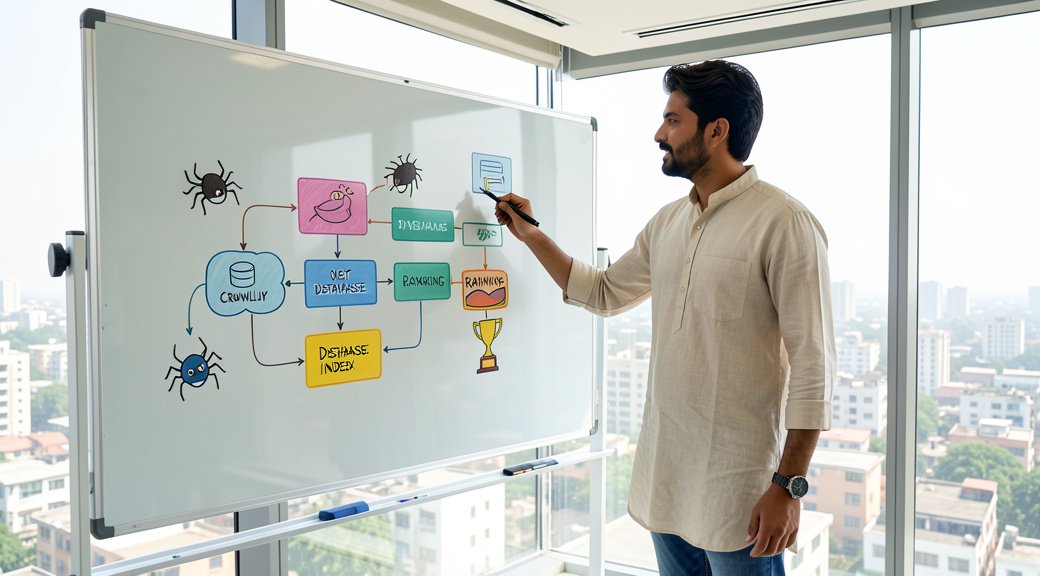
    Search visibility badhane ke liye pehla kadam hai search engines ke kaam karne ke tareeke ko samajhna. Search engines teen mukhya kaam karte hain: crawl karna, index karna, aur rank karna. Crawl ka matlab hai ki Google ka “bot” ya “spider” internet par web pages dhoondhta hai aur unka data collect karta hai. Index ka matlab hai ki yeh collect kiya gaya data ek bade database mein organize kiya jata hai, jaise ek library ka catalogue. Rank ka matlab hai ki kisi specific query ke liye, search engine yeh decide karta hai ki index mein maujood kon se pages sabse relevant hain, aur unhe kis order mein dikhaye.

    Agar aapka website technical roop se theek se optimize nahi hai, to is prakriya mein rukawat aati hai. Agar Google aapke pages ko crawl nahi kar pa raha, to unhe index nahi kiya ja sakta. Aur agar wo index mein nahi hain, to rank hone ka sawaal hi nahi uthta. Isliye, aapki sabse pehli priority yeh honi chahiye ki aapka website technically sound ho. Iske liye kuch zaruri cheezein hain: ek fast-loading website, mobile-friendly design, clear site structure, aur ek technical SEO audit jo common issues ko dhoondh sake. Aapke content ka quality chahe kitna bhi accha kyun na ho, agar yeh basic fundamentals theek nahi hain, to aapki online search visibility kabhi bhi acchi nahi ho sakti.

    Shabd Nahin, Vichar Ko Optimize Kare: Search Intent

    Pehle ke zamane mein SEO ka kaam bas kuch popular keywords ko chunna aur unhe apne content mein baar-baar istemal karna hota tha. Aaj ka search engine bahut hi samajhdar ho gaya hai. Ab wo sirf shabdon ko nahi, balki user ke “search intent” ya “taalna” ko samajhta hai. Har search query ke peeche user ka koi maksad hota hai: kuch janna chahta hai (informational), kuch kharidna chahta hai (commercial), ya kisi specific site par jaana chahta hai (navigational). Aapki visibility tabhi badhegi jab aapka content exactly usi intent ko poori karega.

    Maan lijiye koi “best wireless headphones under 5000” search kar raha hai. Iska intent clear hai: wo kharidari ki tayyari kar raha hai, bas ek product recommend chahiye. Agar aap is query ke liye ek aisa article likhenge jisme sirf headphones ke itihaas ke bare mein ho, to bhavike mein aapka rank nahi hoga, chahe aapne keyword kitni baar bhi use kiya ho. Isliye, keyword research ab intent research ban gaya hai. Aapko yeh pata lagana hoga ki aapke target audience kya dhoondh rahe hain, aur unki asli jaroorat kya hai. Jab aap unki jaroorat ko poora kar denge, tab search engines aapko un queries ke liye upar dikhayenge, jisse aapki online search visibility khud-ba-khud badh jayegi.

    Comprehensive Content: Topic Authority Banaye

    Search engines ko aisi sites pasand hain jo kisi vishay par pura authority dikhati hain. Iska matlab yeh hai ki aapko kisi ek chhoti keyword par focus karne ki bajaye, ek bade topic ko uske har pehlu se cover karna chahiye. Is strategy ko “topic cluster model” bhi kaha jata hai. Isme ek “pillar page” hoti hai jo ek broad topic par overview deti hai, aur phir alag-alag “cluster articles” hote hain jo us broad topic ke subtopics ko detail mein batate hain, aur sab pillar page se link karte hain.

    Is strategy se aapko do fayde hote hain: pehla, yeh users ke liye bahut helpful hota hai kyunki unhe ek hi jagah par poori jankari mil jaati hai, jisse wo aapse hi aur content padhna chahenge. Doosra, yeh search engines ko clearly batata hai ki aap is vishay ke expert hain, jisse aapki site ki authority badhti hai. Authority badhne ka seedha asar hota hai aapki visibility aur rankings par. Aapke content ki length se zyada, uski depth aur completeness matter karti hai.

    Technical SEO: Website Ki Majbooti

    Content king hai, lekin use tak pahunchane ka raasta technical SEO se banta hai. Technical SEO aapki website ki underlying health aur performance ko ensure karta hai. Iske bina, aapka behtareen content bhi daba rah sakta hai. Online search visibility ko improve karne ke liye kuch technical aspects par dhyan dena anivarya hai.

    Sabse pehle, page loading speed ek bahut hi important factor hai, khaaskar mobile devices par. Slow websites se users turant chale jaate hain (high bounce rate), aur search engines ise ek negative signal maante hain. Doosra, aapki site structure clear honi chahiye. Har page easily navigable hona chahiye, aur sitemap search engines ko bhejna chahiye. Teesra, mobile-friendliness ab non-negotiable hai kyunki aajkal zyadatar searches mobile se hote hain. Chautha, aapko broken links, crawl errors, aur duplicate content issues ko regularly check karna hoga. In sab technical fundamentals ko theek karne se aap search engines ke liye apna content easily accessible bana dete hain, jo unki madad karta hai aapki visibility badhane mein.

    In technical chizon ko manage karne ke liye aapko regularly audit karna chahiye. Iske liye aap yeh steps le sakte hain:

    1. Google Search Console aur Google Analytics install karein. Ye free tools aapko batayenge ki log aapse kaise connect ho rahe hain aur kahan problems hain.
    2. Ek technical SEO audit tool (jaise Screaming Frog, Ahrefs, ya SEMrush) se website crawl karein.
    3. Crawl errors, slow pages, aur indexing issues ko priority dekar fix karein.
    4. Structured data (Schema markup) implement karein taaki search engines aapke content ko behtar samajh sake.

    In charon steps ko follow karke aap apni website ki technical foundation majboot bana sakte hain.

    Backlinks aur Brand Signals: Bahari Pramansh

    Search engines aapki site ki quality ka anuman lagane ke liye dekhte hain ki internet par dusre credible sources aapke bare mein kya keh rahe hain. Agar aapki website par high-quality websites se links (backlinks) hain, to search engines ise ek strong vote of confidence maante hain. Ye backlinks aapki site ki authority badhate hain, jisse rankings aur visibility dono improve hote hain. Lekin yaad rahe, sirf quantity nahi, quality important hai. Ek authoritative site se link aapko 100 low-quality links se zyada fayda de sakta hai.

    Backlinks ke alawa, “brand signals” bhi aajkal bahut matter karte hain. Iska matlab hai ki log directly aapke brand name ko search karte hain, social media par aapke bare mein baat karte hain, aur aapki site par direct traffic aata hai. Ye signals search engines ko batate hain ki aap ek legitimate, popular brand hain. Brand signals badhane ke liye aapko consistent content creation, social media engagement, aur public relations par kaam karna hoga. Aapki online search visibility ko improve karne ka ye ek long-term strategy hai, lekin iska effect bahut strong aur sustainable hota hai.

    Local Search Visibility: Apne Ilake Ko Jite

    Agar aapka business physical location se chalta hai, to local SEO aapki visibility badhane ka sabse powerful tarika hai. Jab koi “mechanics near me” ya “best cafe in [sheher ka naam]” search karta hai, to Google local results dikhata hai (Google Map ka 3-pack). Is section mein aana aapko immediate traffic aur customers dilwa sakta hai.

    Local search visibility badhane ke liye aapko Google My Business (GMB) profile ko poori tarah se optimize karna hoga. Isme aapka business name, address, phone number, hours, aur categories sahi honi chahiye. Customers se reviews lena aur unka jawab dena bahut zaruri hai. Apne GMB profile par regular updates, photos, aur posts daalte rahein. Saath hi, ensure karein ki aapka business name, address, aur phone number (NAP) internet par har jagah (jaise directories, social media, apni website par) consistently likha gaya ho. Consistency search engines ko confidence deti hai ki aapka business authentic hai, jisse aapki local online search visibility kai guna badh jati hai.

    Online search visibility ek race nahi, balki ek marathon hai. Isme koi shortcut ya overnight success nahi hota. Isme consistency, quality, aur user-centric approach ki zaroorat hoti hai. Upar bataye gaye sabhi tarike aapki strong foundation banane mein madad karenge: technical health, intent-focused content, topic authority, credible backlinks, aur local presence. In sab ko milakar hi aap aisi sustainable visibility hasil kar sakte hain jo time ke saath badhti jaaye. Aaj hi inme se ek ya do points par kaam shuru karein, apne results track karein, aur apni strategy ko behtar banaate rahein. Visibility aapke brand ko naye audiences tak pahunchane ka sabse bharosemand raasta hai.

  • Your 30-Day Plan to Build Sustainable Organic Traffic

    Your 30-Day Plan to Build Sustainable Organic Traffic

    You need more visitors, and you need them now. The promise of building organic traffic in 30 days isn’t about a magic trick, it’s about executing a focused, strategic sprint that lays a foundation for long-term growth. This complete strategy is designed for marketers, founders, and content creators who are ready to move beyond theory and implement a tactical plan that delivers measurable results within one month. By combining rapid technical actions with high-intent content creation and aggressive promotion, you can ignite your search visibility and start capturing qualified traffic faster than you think.

    Phase 1: The Foundational Audit and Sprint (Days 1-7)

    The first week is dedicated to preparation and swift technical wins. You cannot build a house on a shaky foundation, and the same is true for organic traffic. Start with a comprehensive site audit focused on critical performance factors that search engines prioritize. Your primary goal is to eliminate any barriers that prevent Google from crawling, indexing, and ranking your pages effectively. This phase is non-negotiable, as even the world’s best content will fail if technical SEO is broken.

    First, verify your site is indexed. Use ‘site:yourdomain.com’ in Google Search Console to see which pages are in their index. If key pages are missing, you have an immediate indexing issue to resolve. Next, analyze your Core Web Vitals and page load speed using tools like Google PageSpeed Insights. Speed is a direct ranking factor and a major user experience component. Compress images, leverage browser caching, and minimize render-blocking resources. Then, ensure your site is mobile-friendly and has a clear, logical structure. A clean XML sitemap should be submitted to Google Search Console, and your robots.txt file should be checked for errors that block essential pages.

    Keyword Targeting for Immediate Opportunity

    Simultaneously, you must define your content targets. For a 30-day sprint, you need to focus on keywords with a realistic chance of ranking quickly. This means prioritizing medium-tail keywords with decent search volume but lower difficulty. Avoid highly competitive, single-word terms. Instead, look for question-based queries (how to, what is, why does) and specific intent phrases where your content can provide a definitive answer. Use keyword research tools to identify 5-10 primary keyword targets for the month. These should be directly relevant to your business and have commercial or informational intent aligning with your goals.

    Phase 2: Content Creation and Optimization (Days 8-21)

    This two-week block is your production engine. The goal is to create and meticulously optimize a limited number of high-impact content pieces, typically 2-4 comprehensive articles or guides, rather than a high volume of thin posts. Depth and quality trump quantity every time when building authority and attracting backlinks. Each piece should be crafted to serve as a definitive resource on its targeted topic.

    Structure your content for both users and search engines. Start with a compelling title that includes your primary keyword. Use descriptive H2 and H3 headers to break up the content and signal topical structure to crawlers. Integrate your keywords naturally in the first paragraph, in headers, and throughout the body, but always write for the human reader first. Include multimedia elements like images, infographics, or short videos to increase engagement and dwell time. Crucially, optimize all on-page elements: craft a unique meta title and description for every post, use descriptive alt text for images, and employ internal linking to connect this new content to your existing relevant pages.

    To understand the full scope of effective organic growth, consider integrating broader strategic frameworks. For instance, exploring top organic traffic growth strategies can provide additional context for scaling your efforts beyond this initial sprint.

    Phase 3: Promotion and Link Building (Days 22-30)

    Creating great content is only half the battle. Without promotion, it’s like launching a product with no marketing. The final phase is dedicated to building initial visibility and earning authoritative signals. Start by sharing your content across all your owned channels: email newsletters, social media profiles, and relevant community forums (where allowed). Craft unique messaging for each platform to encourage clicks.

    The most powerful lever for organic ranking is earning backlinks from reputable sites. For a 30-day timeline, focus on tactical, achievable link-building methods. Begin with broken link building: find relevant, authoritative sites in your niche with broken outbound links, and politely suggest your content as a replacement. Another effective tactic is the skyscraper technique: find top-performing content for your target keyword, create something objectively better (more comprehensive, updated, visually superior), and then outreach to sites that linked to the original piece. You can also create and publish original data, research, or compelling tools that naturally attract citations.

    Here is a focused outreach process to follow:

    1. Identify 50-100 relevant bloggers, journalists, or site owners in your niche.
    2. Personalize every email: mention their work specifically and explain why your content adds value for their audience.
    3. Make a clear, easy request (e.g., consider linking, check out this resource).
    4. Follow up politely once after 5-7 days if you receive no response.

    Concurrently, engage in social media communities and Q&A sites like Quora or Reddit. Provide genuine, helpful answers to questions and, where contextually appropriate, link to your deeper resource for more information. This drives referral traffic and can lead to natural links.

    Sustaining and Measuring Your Growth

    As your 30-day sprint concludes, shift your mindset to maintenance and analysis. The work you’ve done is a catalyst, not a one-time event. Monitor your rankings and traffic daily using Google Analytics and Search Console. Look for which pages are gaining traction and which keywords are driving clicks. Analyze user behavior metrics like bounce rate and average session duration to gauge content quality.

    Based on this data, double down on what’s working. Update and expand your best-performing content to keep it fresh and comprehensive. Identify new keyword opportunities from your search queries report. Continue your promotion and link-building efforts at a sustainable pace. The key to long-term organic traffic growth is consistency: consistently auditing technical health, consistently publishing high-quality content, and consistently building your site’s authority through smart promotion. This 30-day strategy provides the momentum, but the ongoing process secures lasting results.

    Building organic traffic in a month is an ambitious but achievable goal. It requires disciplined execution across technical SEO, targeted content, and assertive promotion. By following this complete strategy, you establish a powerful foundation for digital growth that compounds over time, turning your website into a reliable, scalable channel for attracting and converting your ideal audience.

  • A Practical Guide to Finding Low-Competition Keywords

    A Practical Guide to Finding Low-Competition Keywords

    For any new website, the digital landscape can feel like a crowded room where everyone is shouting. You have a valuable voice, but without a strategic approach, it gets lost in the noise. The most common mistake new site owners make is targeting broad, high-volume keywords already dominated by established players. This leads to frustration, wasted resources, and slow growth. The real path to early wins and sustainable traffic lies in a different strategy: identifying and owning low-competition keywords. This process is not about guessing; it’s a systematic method to find hidden opportunities where you can rank faster, build authority, and lay a foundation for future growth. This guide provides a concrete framework for operators and agencies to execute this strategy at scale.

    Understanding the Core Concept: Search Intent vs. Competition

    Before diving into tools and tactics, you must grasp the fundamental principle behind successful keyword research for new sites. The goal is not to find keywords with zero searches, but to find queries where the searcher’s intent is specific and the existing content in search results is weak or incomplete. High-competition keywords typically have high commercial intent (e.g., “best CRM software”) and are targeted by sites with immense domain authority. Low-competition opportunities often revolve around informational intent that is hyper-specific, question-based, or newly emerging.

    These keywords are characterized by a favorable balance. The searcher has a clear problem (“how to fix leaking shower head without plumber”), but the top results may be from forums, outdated blogs, or thin content pages. Your new, well-structured, and helpful content can surpass these older results because you are directly and comprehensively addressing that precise intent. This approach allows you to accumulate small victories. Each page that ranks for a low-competition term brings targeted traffic, builds your site’s topical authority, and signals to search engines that your domain is a credible source. Over time, this authority allows you to compete for more competitive terms within your niche.

    The Strategic Framework for Uncovering Opportunities

    Effective keyword discovery is a multi-stage process. It begins with broad brainstorming and moves through successive layers of filtering to isolate the most viable targets. The following framework is designed for scalability and measurability.

    Phase 1: Seed Generation and Expansion

    Start by defining your core topic pillars. For a site about sustainable living, pillars might be “zero-waste kitchen,” “eco-friendly cleaning,” and “sustainable energy at home.” For each pillar, list 5-10 seed keywords. These are your starting points. Next, use keyword research tools to expand these seeds. Enter your seed terms into tools like Ahrefs, SEMrush, or even Google’s own Keyword Planner. Do not look at search volume yet. Focus solely on generating a massive list of related keywords, questions, and long-tail variations. Tools often provide sections like “Questions,” “Also rank for,” and “Related keywords.” Export all this data into a spreadsheet. At this stage, quantity is the objective; you are casting a wide net to capture every possible angle.

    Phase 2: The Crucial Filters for Low Competition

    With your expansive list, you now apply critical filters to separate the gold from the gravel. This is where most newcomers go wrong, focusing only on search volume. For a new website, you must prioritize metrics that indicate achievable rankings.

    First, analyze Keyword Difficulty (KD) or a similar metric in your tool. For a new site, initially target keywords with a KD score below 30 (on a 100-point scale). Second, and most importantly, manually review the Search Engine Results Page (SERP). This non-negotiable step reveals the true competition. Look for these positive signals:

    • Dominance of User-Generated Content (UGC): If the top results are from Reddit, Quora, or niche forums, it often indicates that commercial entities haven’t fully targeted this query.
    • Outdated or Thin Content: Results with publication dates from several years ago or pages with minimal substantive content present a clear opportunity to provide a superior, up-to-date resource.
    • Lack of Direct Intent Match: The pages ranking may only partially answer the query. For example, a search for “cold brew coffee ratio for French press” might return generic articles about cold brew or French press use, but not the specific ratio.
    • Low Domain Authority of Competitors: Use a toolbar extension to check the domain rating of ranking sites. If they are mostly new blogs or low-authority domains, the barrier to entry is lower.

    Third, consider search volume realistically. For a new site, a keyword with 100-500 monthly searches that perfectly matches your content is far more valuable than a keyword with 10,000 searches you cannot rank for in the next year. These lower-volume terms are your foundation.

    Advanced Tactics and Unconventional Sources

    Beyond standard tool-based research, several powerful tactics can uncover hidden keyword gems that tools might miss. These methods leverage existing communities and content gaps.

    One highly effective method is mining online communities. Platforms like Reddit, niche-specific forums, and even Facebook Groups are treasure troves of raw, unfiltered search intent. People use natural language to ask precise questions. Go to relevant subreddits (e.g., r/HomeImprovement, r/PersonalFinance) and look for highly upvoted questions or common problems discussed in the comments. Phrases like “Can anyone recommend…”, “How do I deal with…”, or “Is it normal that…” are direct keyword prompts. Similarly, browse the “People also ask” boxes and “Related searches” at the bottom of Google’s results pages. These are generated by real user data and reveal closely related queries you can target in a comprehensive article.

    Another tactic is analyzing your future competitors. Identify 3-5 websites that are where you want to be in 12-24 months, not the industry giants. Use a tool like Ahrefs to explore their top pages. Look for pages that are ranking for keywords with manageable difficulty but are not their absolute best-performing content. These pages represent opportunities where they may not have invested heavily, leaving a gap you can fill with better, more detailed content. This is a strategic way to “compete” without direct confrontation.

    Prioritizing and Organizing Your Keyword Targets

    Finding keywords is only half the battle; you must now prioritize them for execution. A scattered approach dilutes effort. Create a simple scoring system in your spreadsheet. Assign points based on criteria crucial for your new site: Low Keyword Difficulty (2 points), Favorable SERP Features (1 point for UGC/outdated content), Clear Search Intent Match (1 point), and Relevance to Your Core Pillar (1 point). This gives each keyword a score out of 5 (or similar).

    Start by creating content for keywords with the highest scores. These are your quickest potential wins. Furthermore, group keywords by topic cluster. You will likely find that many of your low-competition keywords are subtopics of a broader subject. For instance, you may find “how to store fresh basil,” “best soil for basil,” and “pruning basil plant” as low-competition keywords. Instead of writing three separate, thin articles, you can create one comprehensive “Ultimate Guide to Growing Basil” that thoroughly answers all these related queries. This creates a stronger, more authoritative page that can rank for multiple long-tail phrases, satisfying both user intent and search engine algorithms seeking depth and coverage.

    Executing for Measurable Growth

    The final step is integrating this research into a scalable content production system. For each prioritized keyword, document the searcher’s intent in one sentence. What is the user’s goal? Then, audit the current top 5 results. Note what they do well and, critically, what they miss. Your content must not just match but exceed the existing standard. Aim to provide more detail, better organization (using clear headings and lists), more current data, or superior media (like custom diagrams or short videos).

    As you publish this content, track rankings not just for the primary keyword, but for the constellation of related long-tail phrases. Use analytics to monitor organic traffic to these pages. Early success with low-competition keywords provides the validation and data needed to justify further investment. It demonstrates a clear ROI on content efforts, which is essential for agency clients or internal stakeholders. This process creates a flywheel: targeted content ranks, brings traffic, builds authority, and enables you to gradually target slightly more competitive keywords, scaling your organic footprint in a controlled, predictable manner.

    Mastering the art of finding low-competition keywords is the most effective leverage point for a new website. It bypasses the futile struggle for competitive head terms and instead focuses on acquiring targeted, valuable traffic from day one. By adopting this systematic, filter-driven approach, operators and agencies can build a portfolio of ranking content that delivers measurable growth, establishes domain authority, and creates a durable foundation for long-term digital success. The crowded room becomes navigable, one precise, answered question at a time.